Physical Address
304 North Cardinal St.
Dorchester Center, MA 02124
Physical Address
304 North Cardinal St.
Dorchester Center, MA 02124

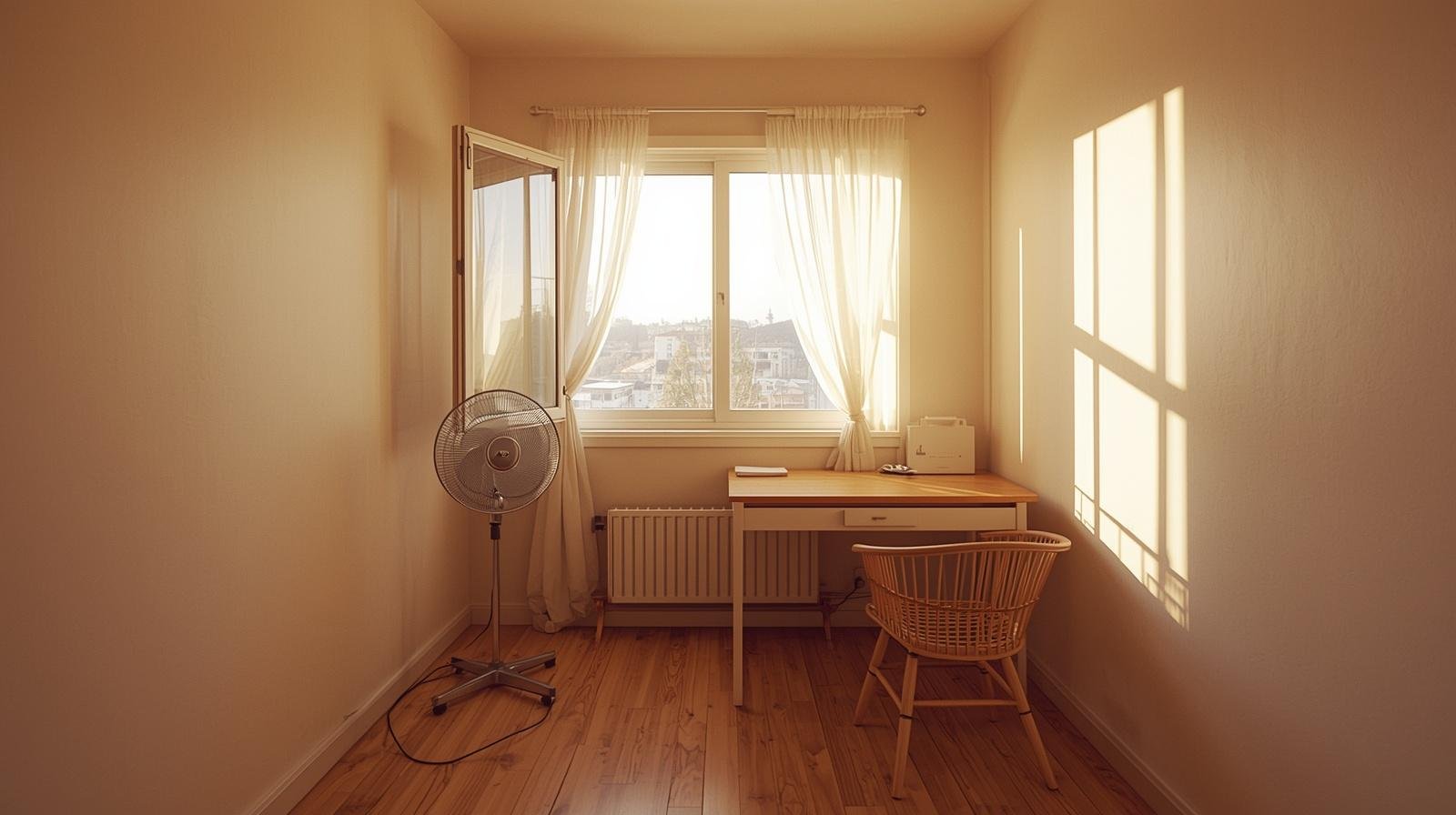
A few simple layout changes can turn a stuffy small room into a space that actually breathes, even in the middle of summer.
The fan is on full speed, the window is open, and somehow the room still feels like warm soup. You sit there, shifting in your chair, wondering how a small space can trap so much heat. It is not just you. Small rooms hold onto air like they are afraid to let it go.
I went through this every summer after moving into a smaller home office while raising my daughter. I could not just add more gadgets. I had to rethink how the room actually worked. That is when layout started to matter more than anything else.
Let’s walk through 10 small room layout ideas to improve airflow in summer that actually make a difference in real life.
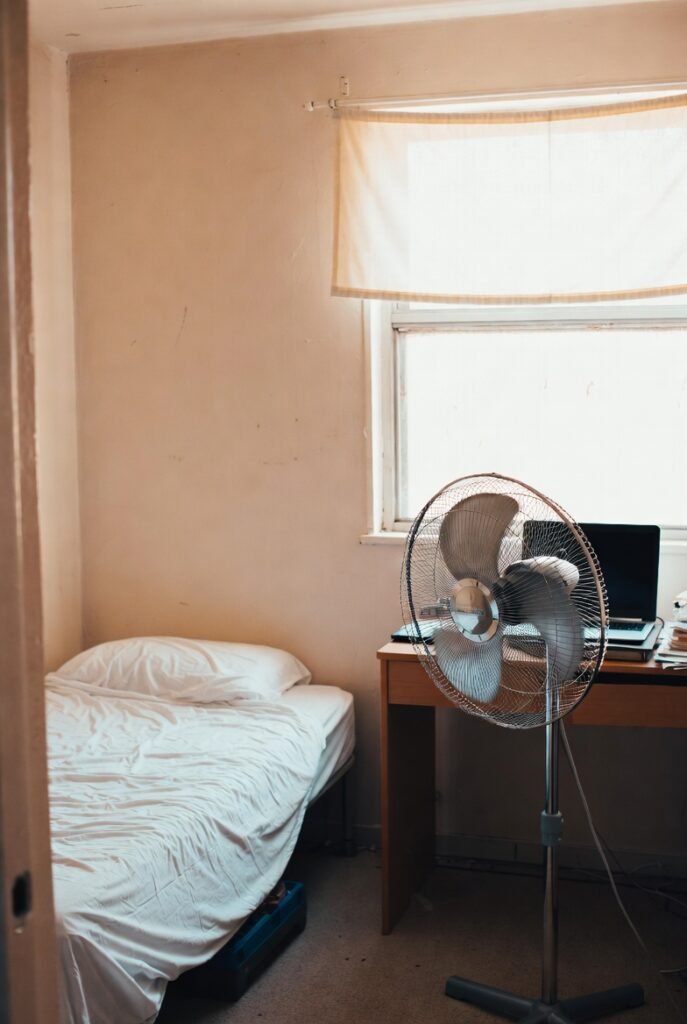
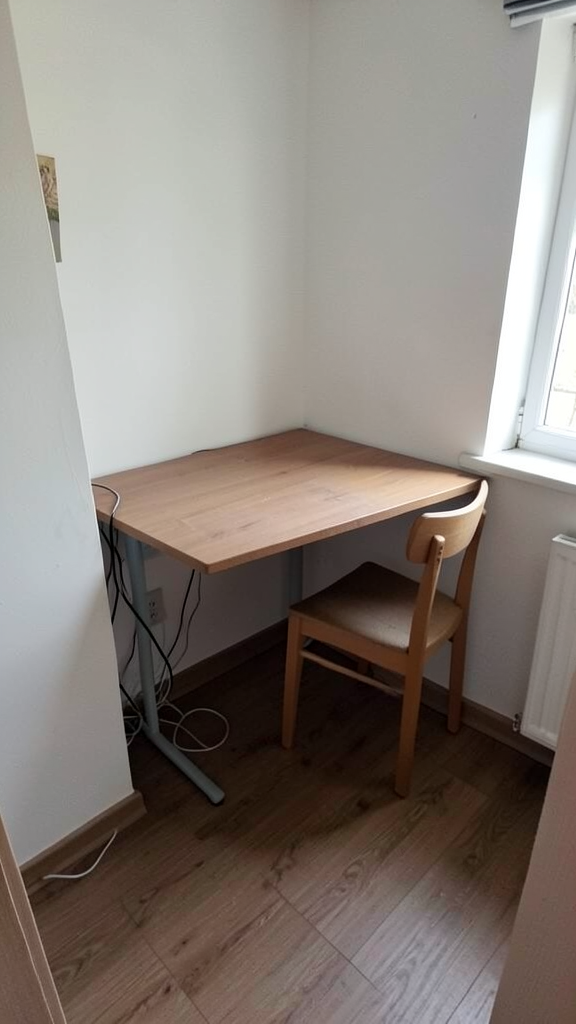
This sounds backward at first. Most people push everything against the wall to make the room feel bigger.
But when you do that, you block natural air paths. Air needs space to move behind and around objects.
Try this instead:
I tested this with my desk. I moved it just a few inches forward. The difference was small but noticeable. The air did not feel stuck anymore.
Takeaway: Give air a path to move, not a wall to hit.
Airflow depends on direction. If your layout ignores where air enters and exits, the room will always feel off.
Look at your windows and doors. That is your airflow map.
Then:
When I stopped placing my chair right in front of the window, the breeze actually reached me. Before that, I was basically blocking my own comfort.
Takeaway: Work with airflow direction, not against it.
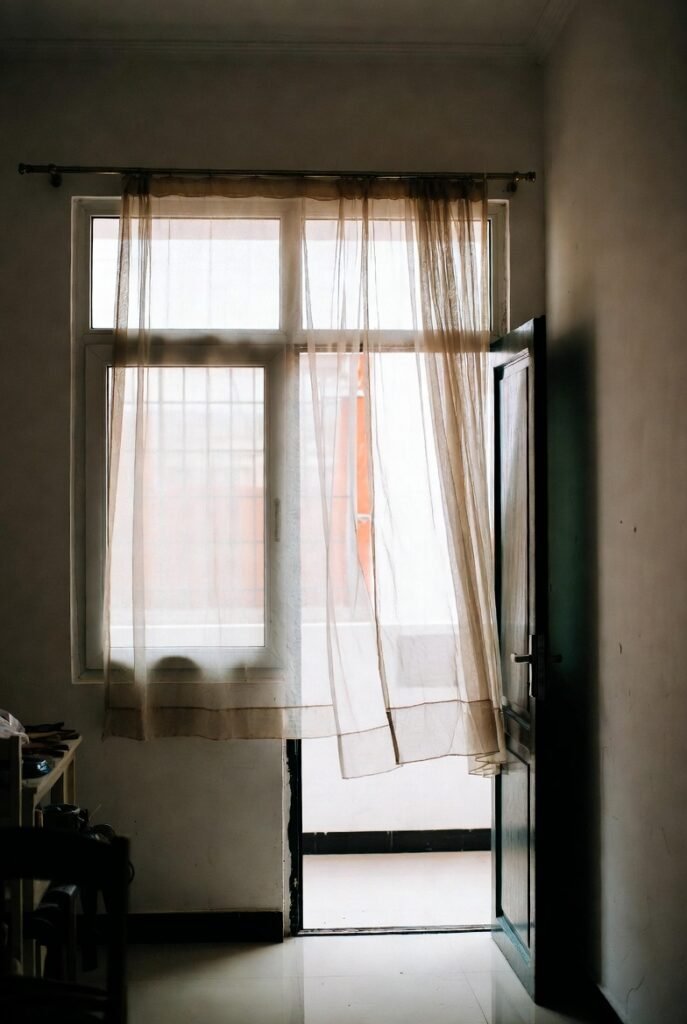
Cross ventilation is the goal. Even in a small room, you can fake it a bit.
If you have two openings:
If you only have one window:
This changed everything for me during late afternoons. The room stopped feeling stale and started feeling alive 🙂
Takeaway: Air needs an entry and an exit to stay fresh.
Tall, bulky furniture traps heat. It also blocks airflow at different heights.
Switch to:
I swapped a heavy bookshelf for a lighter open rack. Not only did the room look better, it felt less suffocating.
Takeaway: The lower and lighter your furniture, the easier air moves.
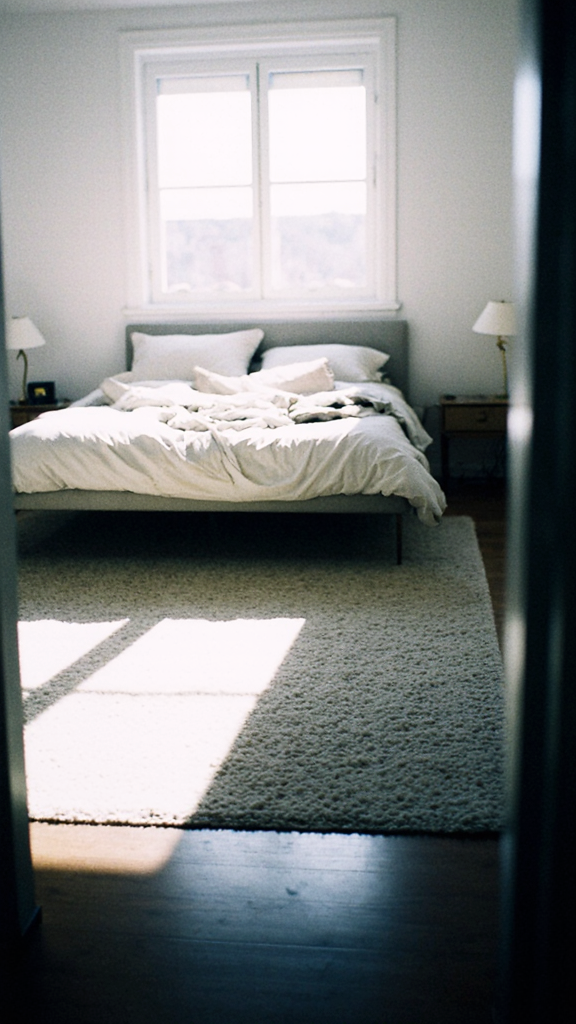
A crowded center kills airflow fast. It also makes the room feel hotter than it actually is.
Try this layout approach:
It feels strange at first. Almost too empty. But once you sit in that space, you will notice how much cooler it feels.
Takeaway: An open center lets air circulate freely across the room.
This one surprised me. Mirrors do more than make a room look bigger.
They reflect light, which reduces the need for heat-generating lamps during the day.
Place mirrors:
I added a simple mirror near my workspace. The room felt brighter, and I used fewer lights. Small win, but it adds up.
Takeaway: Better light means less artificial heat.
Your bed takes up the most space, so it matters a lot.
If your bed blocks airflow, the whole room suffers.
Test different positions:
I used to keep my bed in the corner. Cozy, yes. But airflow was terrible. Moving it slightly changed how air moved at night.
Takeaway: Your bed should not interrupt the airflow route.
Clutter on the floor is a hidden problem. It blocks air at the lowest level where cool air tends to settle.
Do a quick check:
This is the part most people ignore. I did too, until I realized how much junk was sitting around doing nothing but trapping heat :/
Takeaway: Clear floors help cool air travel better.
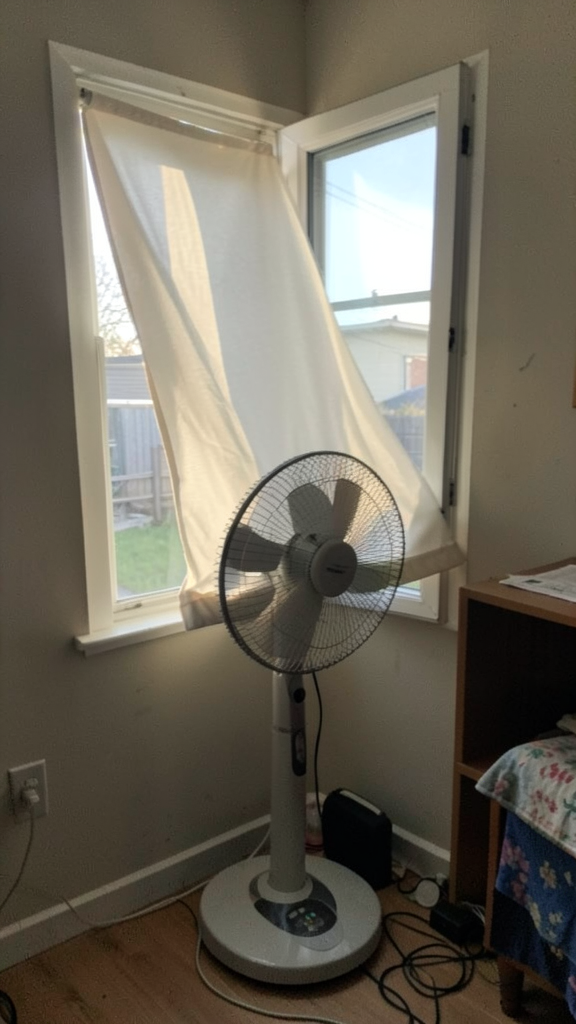
A fan is not magic. Placement matters more than power.
Instead of pointing it at yourself, try:
I used to blast the fan straight at my face. Felt nice for five minutes. Then the room still felt hot. Once I moved it closer to the window, the whole space cooled down more evenly.
Takeaway: Fans should move air through the room, not just at you.
Heavy fabrics hold heat. In summer, they work against you.
Switch to:
I replaced thick curtains with lighter ones. The room felt less heavy right away. Also, sunlight looked softer, which helped the mood too.
Takeaway: Light materials help the room breathe.
Each of these small room layout ideas to improve airflow in summer may seem minor on its own. But together, they change how your room feels.
You are not just rearranging furniture. You are guiding air through your space.
Here is what I noticed after applying most of these:
And honestly, it made working from home less frustrating. That matters when you are juggling deadlines and a kid asking for snacks every hour.
Takeaway: Small layout tweaks can outperform expensive cooling solutions.
A small room does not have to feel like a heat trap. Most of the time, the problem is not the size. It is how everything is arranged inside it.
Start with one or two changes. Move a desk. Clear a path. Test what works in your space.
You will feel the difference faster than you expect. And once you do, you will not go back to the old layout.