Physical Address
304 North Cardinal St.
Dorchester Center, MA 02124
Physical Address
304 North Cardinal St.
Dorchester Center, MA 02124


A few simple desk organization tweaks can clear your space, sharpen your focus, and make getting work done feel a whole lot easier.
The screen is open, but your brain is not. You move a stack of papers, then another. Somehow you end up checking your phone instead of finishing that one task you promised yourself you would do.
That used to be my daily routine. Not because I lacked motivation, but because my desk looked like a storage unit with WiFi.
A messy desk does not just look bad. It quietly steals your focus. If you want to work better, start with where you work.
Here are 11 desk organization ideas to boost focus and productivity that actually worked in my very real, slightly chaotic home.

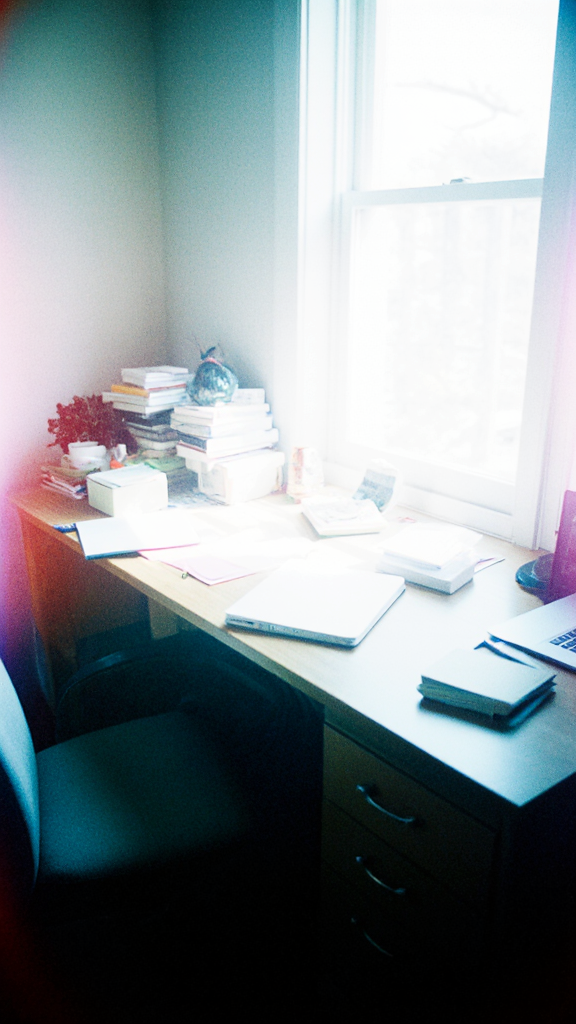
I know. This sounds extreme. But starting fresh changes everything.
I once tried organizing around clutter. It did not work. It just looked like organized chaos.
Start here
It feels uncomfortable for about five minutes. Then it feels amazing.
Takeaway: You cannot organize clutter. You have to remove it first.
Your desk is not storage. It is a workspace.
I now keep only what I use every day. Anything else goes somewhere else.
Daily essentials
Everything else is optional.
Takeaway: Fewer items mean fewer distractions.
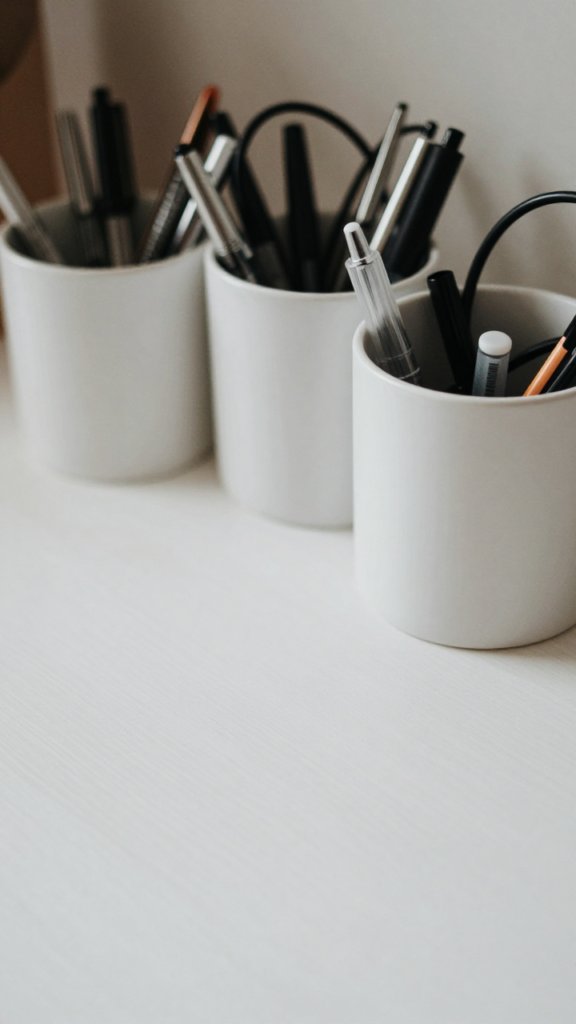
Loose items create visual noise. Grouping them makes your brain relax a little.
I use small trays and cups. Nothing fancy.
Simple grouping ideas
It looks cleaner and feels easier to manage.
Takeaway: Grouping reduces clutter without removing function.
Paper is sneaky. It piles up fast.
I used to stack papers and pretend I would deal with them later. I never did.
Now I use three simple categories
That is it. No complicated system.
Takeaway: Simple systems work better than perfect ones.
Not everything needs to live on your desk.
I keep a drawer for extra stuff. Out of sight, out of mind.
Store away
Your desk should feel open, not crowded.
Takeaway: Clear surfaces help you think clearly.
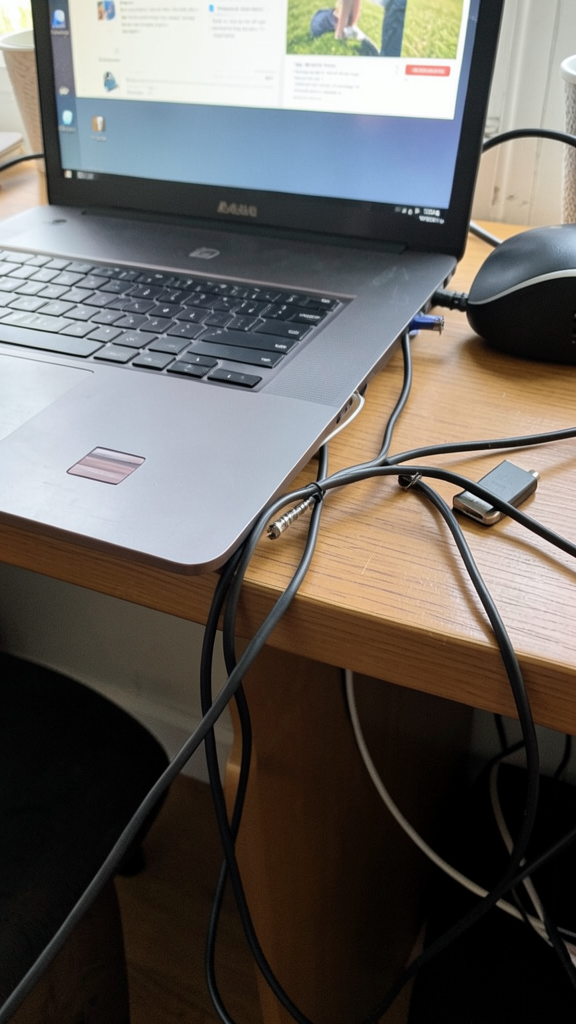
Cables can ruin even the cleanest setup.
I ignored mine until it looked like a spaghetti situation. Not proud of that 🙂
Quick fixes
It takes 15 minutes and makes a huge difference.
Takeaway: Clean cables create a calmer visual space.
When your desk is small, think upward.
I added a simple shelf above my desk. It freed up so much space.
Try this
Keep your surface clear and your essentials accessible.
Takeaway: Use walls to protect your workspace.
This one changed everything for me.
I spend five minutes resetting my desk before I stop working.
What I do
It makes the next day easier to start.
Takeaway: A daily reset keeps clutter from creeping back.
I love personal touches. But too many become distractions.
I keep one or two items that actually matter.
Ideas
Keep it simple and meaningful.
Takeaway: Personal does not mean crowded.
Not everything deserves equal space.
I keep frequently used items within arm’s reach. Everything else stays further away.
Think about
Arrange based on that.
Takeaway: Smart placement reduces wasted movement.
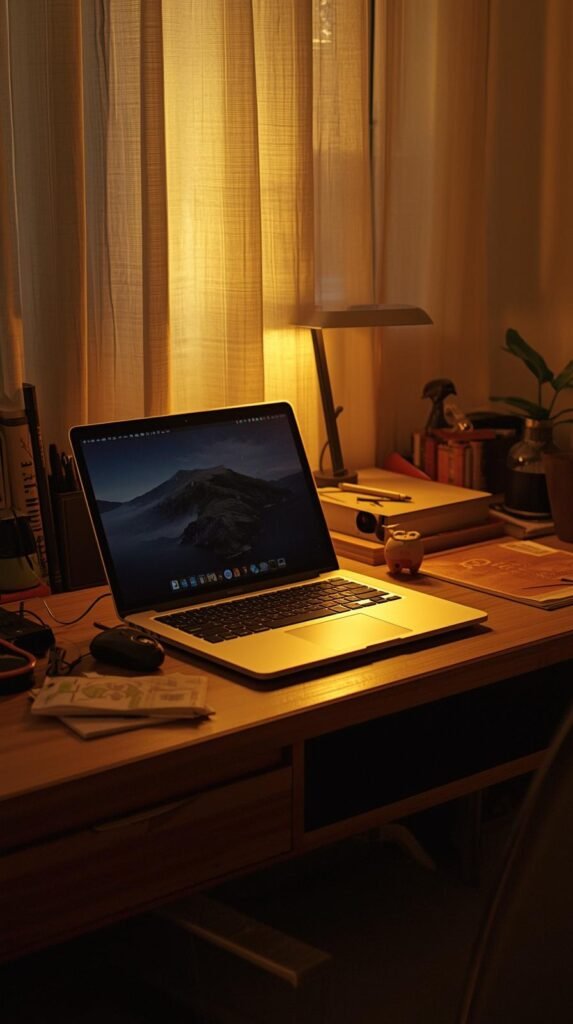
This one is important. Your desk should work for your life, not someone else’s.
My desk shares space with my daughter’s toys sometimes. That is just reality.
So I keep things simple and flexible.
Ask yourself
Takeaway: The best system is the one you will actually maintain.
When your desk is clean and organized, your brain has less to process.
You stop searching for things. You stop feeling overwhelmed before you even start.
You sit down and just work. Sounds simple, but it is powerful.
If you want to boost focus and productivity, your environment matters more than you think.
Takeaway: A clear desk removes friction between you and your work.
My workspace is not perfect. It is clean most days, slightly messy on others.
There are moments when a toy shows up next to my laptop. Life happens.
But I can sit down and focus without feeling stressed. That is the difference.
And honestly, that is all I needed IMO.
You do not need a complicated system to improve your workspace.
Start with one idea. Clear your desk. Group your items. Fix your cables.
Then build from there.
Small changes add up fast. And before you know it, your desk stops working against you and starts working with you.
That is when focus gets easier.