Physical Address
304 North Cardinal St.
Dorchester Center, MA 02124
Physical Address
304 North Cardinal St.
Dorchester Center, MA 02124

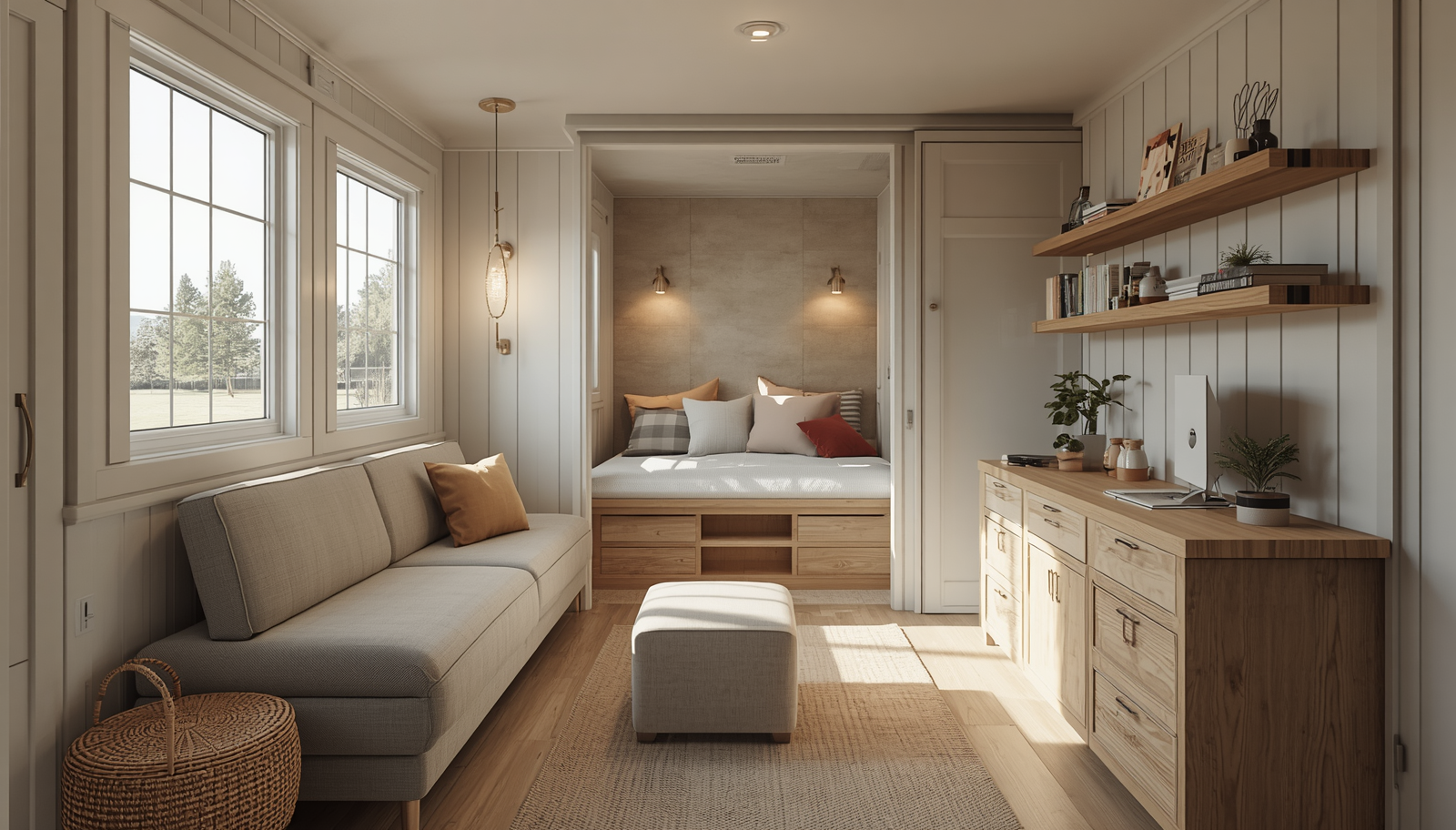
These must-see small room layout ideas for tiny homes will help you maximize every inch of space while creating a cozy, functional home that feels bigger and less cluttered.
The chair became a closet. The kitchen counter became a desk. The tiny hallway somehow collected shoes, bags, and enough random clutter to qualify as its own ecosystem. Tiny home living gets chaotic fast when every inch matters.
Most people assume tiny homes automatically feel cozy and organized. Honestly, sometimes they just feel like a very stylish game of furniture Tetris gone wrong.
After rearranging my own small spaces more times than I can count, I realized something important. Tiny homes do not need more storage nearly as much as they need smarter layouts. Once the room flow works properly, everything else becomes easier.
These small room layout ideas for tiny homes can help your space feel bigger, calmer, and way more functional without sacrificing personality.
Tiny homes cannot afford lazy furniture.
Your coffee table should store blankets. Your bench should hide shoes. Your ottoman should become extra seating during movie night.


I once bought a beautiful accent chair that served exactly one purpose. Looking pretty. It lasted four months before getting replaced by a storage bench with actual survival skills.
Takeaway: Every furniture piece in a tiny home should earn its spot.
This feels wrong at first. Most people think wall-hugging furniture creates more space.
Actually, floating furniture slightly away from walls creates visual depth and improves room flow.


Even moving the sofa forward a few inches completely changed how my living room felt. Tiny homes operate on dramatic rules apparently.
Tiny homes waste vertical space constantly. Meanwhile the floor struggles for survival.
Tall shelving, hanging storage, and wall-mounted lighting free up valuable square footage.


FYI, tall curtains also make ceilings look higher instantly. Tiny visual trick. Huge difference.
Takeaway: Tiny homes feel larger when storage moves upward instead of outward.
Open layouts can feel messy if every space blends together visually.
Instead of adding bulky dividers, create zones using rugs, lighting, or furniture placement.


One rug completely transformed my tiny living area from random furniture pile into an actual room. Weirdly powerful.
Traditional centered bed layouts eat up precious walking space fast.
Placing the bed against a corner opens the room and creates extra storage opportunities.


Honestly, corner beds feel like little sleep caves. I mean that positively.
Tiny homes need flexibility more than perfection.
Fold-down desks, expandable dining tables, and collapsible chairs make rooms adaptable without constant clutter.


IMO, foldable furniture deserves way more respect. It quietly saves small spaces every single day.
Takeaway: Flexible furniture helps tiny homes adapt to real life more easily.
Nothing makes a small room feel tighter than awkward walking routes.
If you constantly bump into furniture or sidestep random baskets, the layout needs work.


I once squeezed an extra side table into my living room and spent six months bruising my shin before admitting defeat.
Light colors reflect more light and help tiny homes feel open. But all-white spaces can feel cold fast.
The secret is adding texture through rugs, throws, pillows, and wood tones.


Texture keeps small rooms feeling cozy instead of sterile.
Floor lamps and bulky TV stands quietly consume tons of space.
Wall-mounted lighting and TVs instantly create a cleaner layout with more visible floor area.


Small homes need open floor space whenever possible.
Takeaway: Mounted features reduce visual clutter and improve functionality.
Yes, this advice appears everywhere. Because it works.
Mirrors bounce natural light around the room and create the illusion of more depth.


Avoid tiny scattered mirrors though. That starts looking suspiciously haunted.
Tiny homes do not need furniture in every corner.
Empty space helps rooms breathe visually and makes layouts feel calmer.


Removing one unnecessary piece often improves the room more than buying something new 🙂
This sounds obvious but people copy Pinterest layouts that do not match how they actually live.
A perfect tiny home layout should support your daily habits, not fight against them.


My biggest improvement happened when I stopped decorating for imaginary guests and started organizing for real family life.
Takeaway: Functional layouts always matter more than perfectly styled rooms.
Tiny homes come with challenges. Laundry piles appear instantly. Storage disappears mysteriously. One bad furniture choice can completely wreck the flow of a room.
But smart layouts change everything. Once your furniture works with the space instead of against it, tiny homes start feeling calm, cozy, and surprisingly spacious.
Start small. Rearrange one corner. Remove one bulky piece. Add one smarter storage solution. Tiny homes improve quickly when every inch finally has a purpose.