Physical Address
304 North Cardinal St.
Dorchester Center, MA 02124
Physical Address
304 North Cardinal St.
Dorchester Center, MA 02124

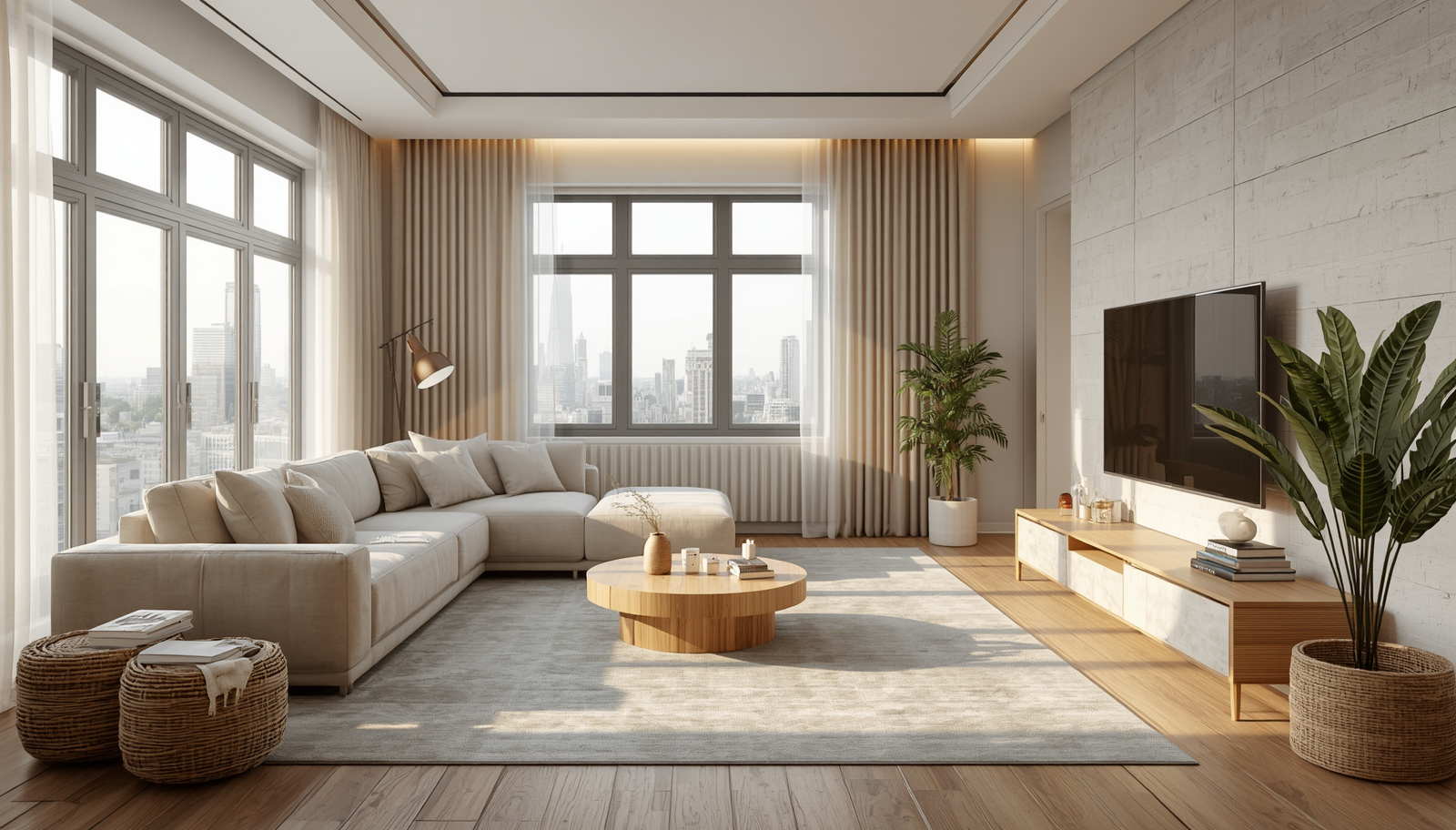
Struggling with a cramped living room that never feels quite right? These genius small living room layout ideas will help you create a cozy, functional space that looks bigger without sacrificing style.
The couch barely fits. The coffee table attacks your shins every morning. Your kid leaves toys everywhere and somehow the room still feels empty and cramped at the same time. Small living rooms really know how to humble a person.
I used to think I needed a bigger house to feel comfortable. Turns out, I mostly needed a smarter layout. Once I stopped stuffing furniture against every wall like I was playing furniture Tetris badly, the room finally started breathing again.
If your living room feels cluttered, awkward, or weirdly impossible to decorate, these small living room layout ideas can completely change how your space looks and functions.
Most people shove every piece of furniture against the wall because it feels logical. I did too. The result? A giant empty hole in the middle of the room that somehow made everything feel smaller.
Try pulling your sofa a few inches away from the wall. Even in tiny rooms, floating furniture creates better flow and makes the layout feel intentional.


Takeaway: Small spaces feel larger when furniture can breathe a little.
People love saying sectionals are too bulky for small spaces. Honestly, I disagree. A compact sectional can replace multiple chairs and actually save space.
The trick is choosing a slim-profile sectional with clean lines. No giant puffy monster couch that eats the room alive.


As a mom, I also love sectionals because everyone piles onto them during movie night. Less furniture. More seating. Math wins.
Coffee tables look cute until your toddler treats them like a climbing gym.
Swapping mine for two soft ottomans changed everything. They work as footrests, extra seating, hidden storage, and mini tables with a tray on top. IMO, they are one of the smartest small living room layout hacks ever.


Takeaway: Flexible furniture makes tiny spaces work harder without looking crowded.
One rug can completely organize a messy room visually. Seriously. It is weirdly powerful.
If your small living room connects to a dining area or kitchen, use rugs to define separate zones without adding walls.


Tiny rugs make rooms look sad. There, I said it.
TV stands take up a shocking amount of floor space. Mounting your TV instantly frees up room and makes the layout cleaner.
Plus, fewer surfaces mean fewer places for random junk piles. You know the pile. Everyone has one 🙂


Use a floating media console underneath for hidden storage without bulky furniture.
Symmetry makes even chaotic rooms feel calmer. If your space allows it, place matching chairs across from the sofa or use balanced lighting on both sides.
I used to think symmetry looked too formal. Turns out, it just makes the room feel less visually noisy.


Takeaway: Balanced layouts help small rooms feel less chaotic.
Small living rooms usually lack storage. Meanwhile the walls sit there doing absolutely nothing.
Install shelves higher up. Use tall bookcases. Hang curtains close to the ceiling. Vertical storage draws the eye upward and makes ceilings feel taller.


This sounds strange until you try it.
Angling a chair or placing a sofa diagonally can soften a boxy room and improve movement. It also distracts from awkward dimensions.


Fair warning though. This layout either looks genius or completely unhinged. There is no middle ground.
A small living room cannot afford lazy furniture.
Every piece should earn its place. Benches with storage, nesting tables, sleeper sofas, lift-top tables. Functional pieces save space without sacrificing style.


Takeaway: Smart furniture reduces clutter before clutter even starts.
Nothing makes a small room feel tighter than awkward walking paths.
If you constantly sidestep furniture like an obstacle course contestant, your layout needs help.


I once squeezed in an accent chair I loved and spent six months bumping into it daily before admitting defeat. Pride is powerful.
Bulky arms visually crowd small spaces fast.
Armless chairs and slim sofas create a lighter look while still giving you plenty of seating.


This one surprised me most. A few inches really do change the entire vibe of a room.
This trick makes a small living room feel polished instantly.
A slim console behind the sofa adds storage, lighting space, and visual separation without eating up square footage.


Honestly, it also hides the awkward backside of the couch. Important detail.
I know. Everyone says use white. But small living rooms do benefit from lighter tones because they reflect more light.
That does not mean your home needs to look like a dentist office.


Add texture through pillows, rugs, and throws so the room still feels cozy.
A random furniture layout makes even stylish rooms feel uncomfortable.
Choose one focal point and arrange seating around it. Usually that means:


A focused layout naturally improves conversation flow and makes the room feel intentional instead of chaotic.
Takeaway: Every small living room needs one clear visual anchor.
This took me years to learn.
Not every corner needs furniture. Not every wall needs decor. Empty space helps a room breathe and prevents visual overload.


Sometimes the smartest layout choice is removing one thing. Painful but true.
Small living rooms can feel frustrating fast. One bad furniture decision and suddenly the room feels like a storage closet with a lamp.
But thoughtful layouts change everything. Once you focus on flow, multifunctional furniture, and visual breathing room, even tiny spaces start feeling cozy, stylish, and genuinely livable.
Start with one or two layout changes first instead of redoing the whole room overnight. Your shins will probably thank you.