Physical Address
304 North Cardinal St.
Dorchester Center, MA 02124
Physical Address
304 North Cardinal St.
Dorchester Center, MA 02124

Simple, smart changes around your home can keep things cooler in summer without pushing your energy bill higher.
The AC has been running for hours, the bill is already on your mind, and somehow the house still feels warm in the corners. You walk from room to room adjusting things that never seem to fix the problem. It is frustrating because you are trying, but the results feel… underwhelming.
That was me last summer, working from home while keeping an eye on my daughter and the energy bill at the same time. I realized pretty quickly that blasting the AC was not the answer. The real shift came from small, smart changes that worked with the house, not against it.
Here are 12 smart home cooling ideas that save energy in summer and actually make your space feel better, not just colder.
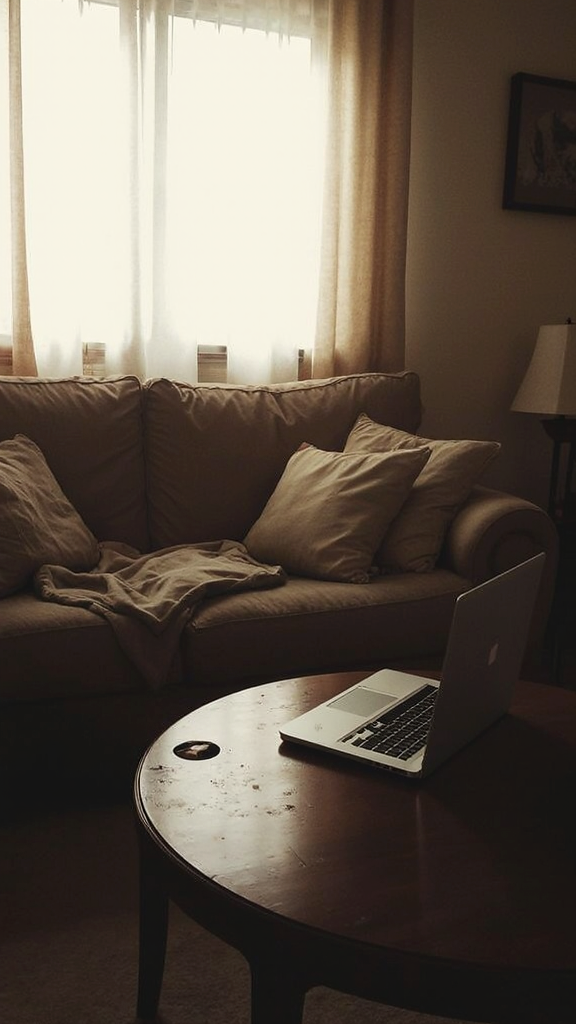
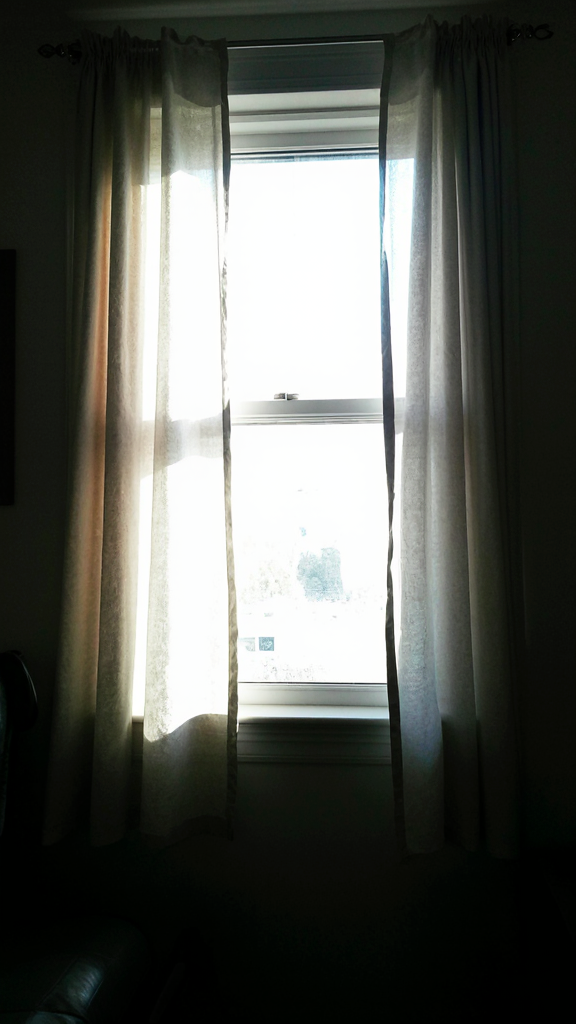
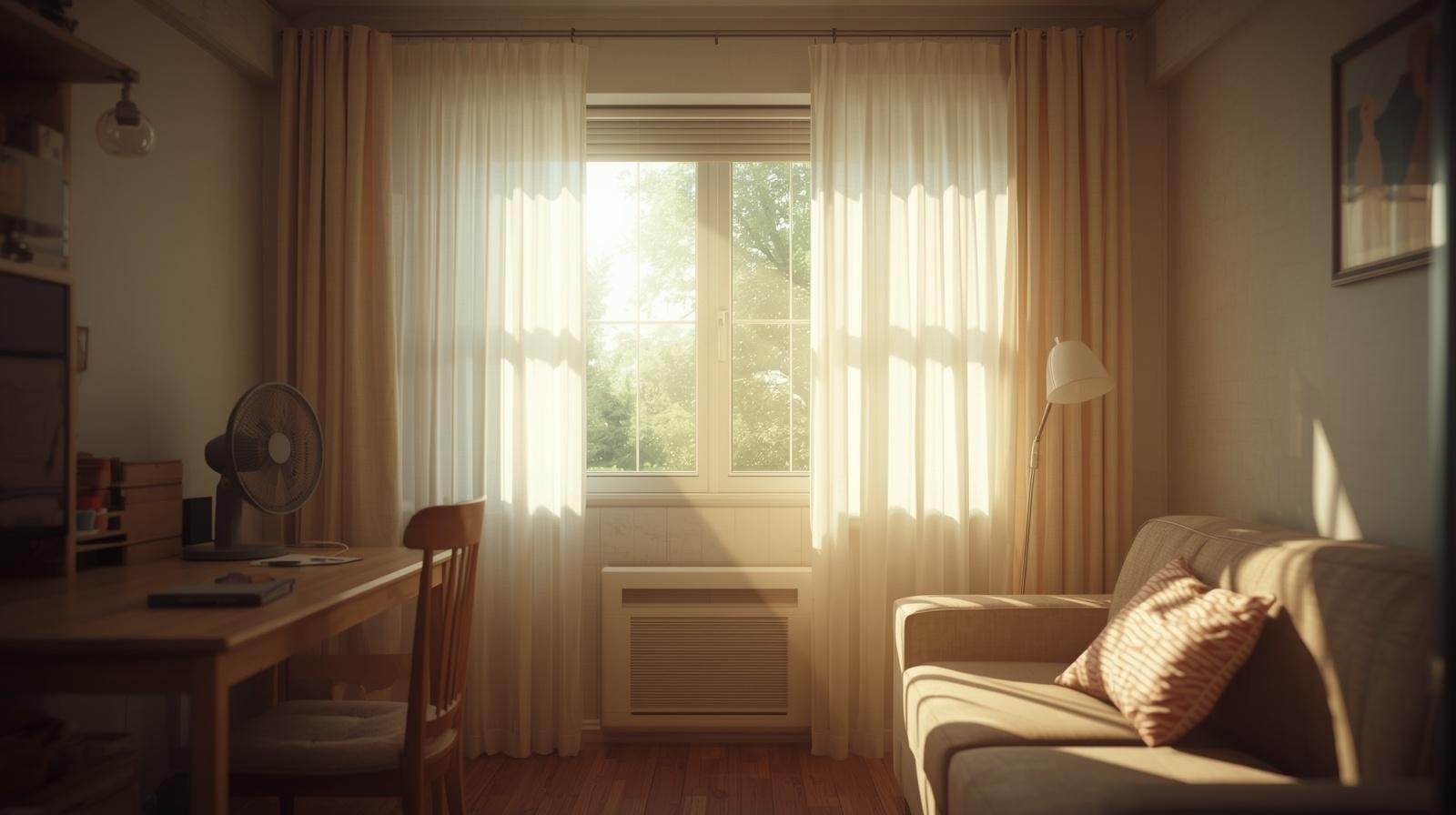
Sunlight looks nice until it turns your room into an oven.
Try this simple habit:
I started doing this late morning instead of waiting until it felt hot. The difference was immediate. The room stayed cooler without extra effort.
Takeaway: Block heat early instead of fighting it later.
Old bulbs give off more heat than you think.
Switching to LED:
I swapped out a few bulbs in my office and noticed the room felt less stuffy at night. Small change, but it stacks up.
Takeaway: Less heat from lighting means less work for your cooling system.
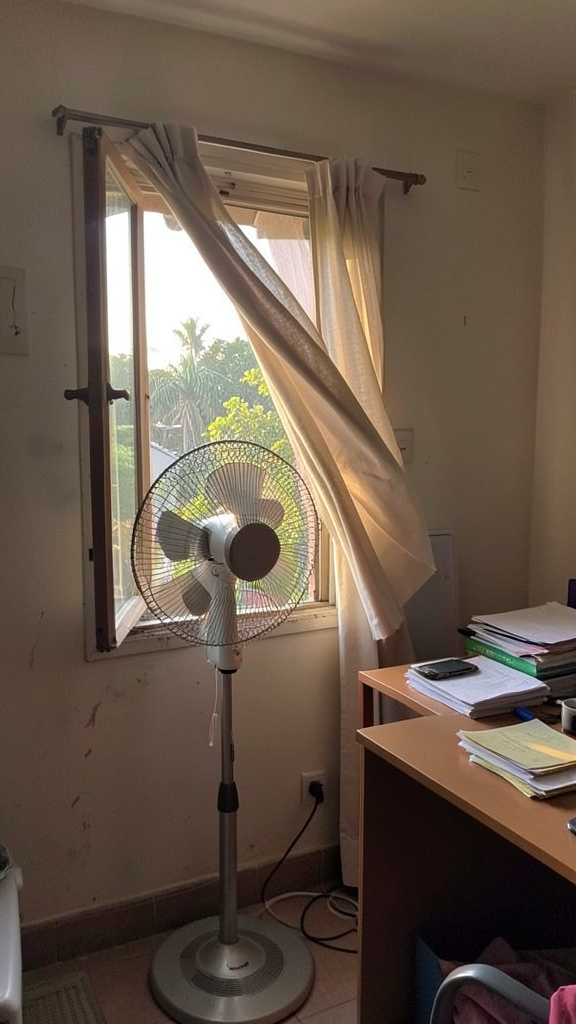
Fans do not cool air. They move it.
Use them like this:
I used to point the fan straight at myself and call it a day. It felt good for five minutes, then not so much. Once I used it to move air across the room, everything felt more balanced 🙂
Takeaway: Fans should help air travel, not just hit your face.
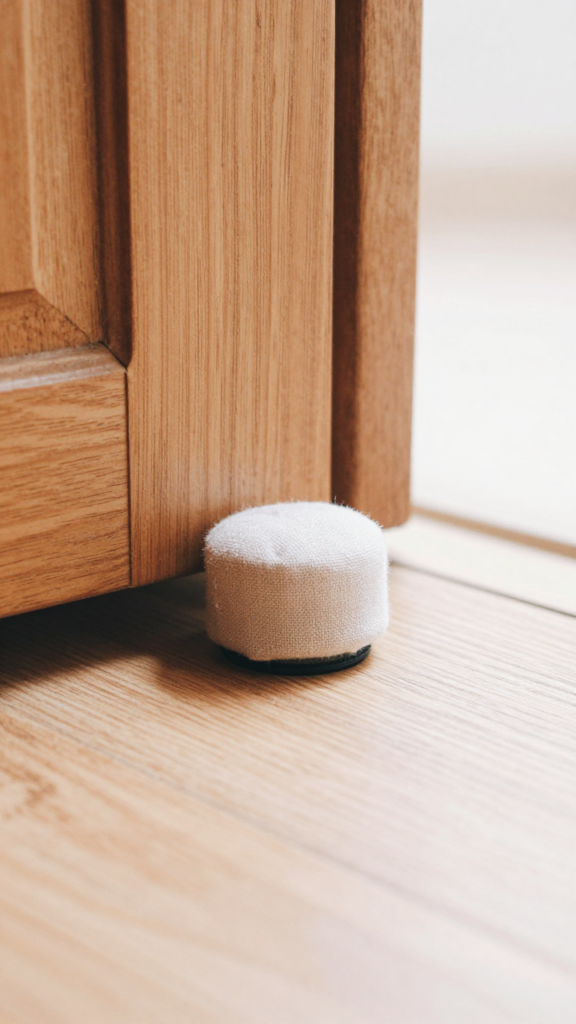
If your home leaks air, you are basically cooling the outdoors.
Check for:
I found a tiny gap under our door and fixed it with a simple draft stopper. The room held cool air much better after that.
Takeaway: Keep cool air in and hot air out.
Cooking at the wrong time heats up the whole house.
Try this:
There were days I avoided the stove completely. Not out of laziness, just survival.
Takeaway: Reduce indoor heat sources when the day is hottest.
Heavy furniture blocks airflow more than you realize.
Adjust your layout:
I moved my desk just a little and suddenly the air reached places it never did before.
Takeaway: Your layout can either trap heat or release it.
Thick fabrics hold heat.
Switch to:
I changed our bedding first. It felt cooler instantly, especially at night when everything matters more.
Takeaway: Lighter materials help reduce heat buildup.
Electronics generate heat even when you are not using them much.
Get into the habit:
This one felt annoying at first, but it actually helped. Less heat, less clutter, less noise.
Takeaway: Every device you turn off reduces heat and saves energy.
Let your system adjust itself.
Set it to:
I stopped manually adjusting the AC all day. It saved energy and mental effort. Win win.
Takeaway: Smart scheduling reduces waste without sacrificing comfort.
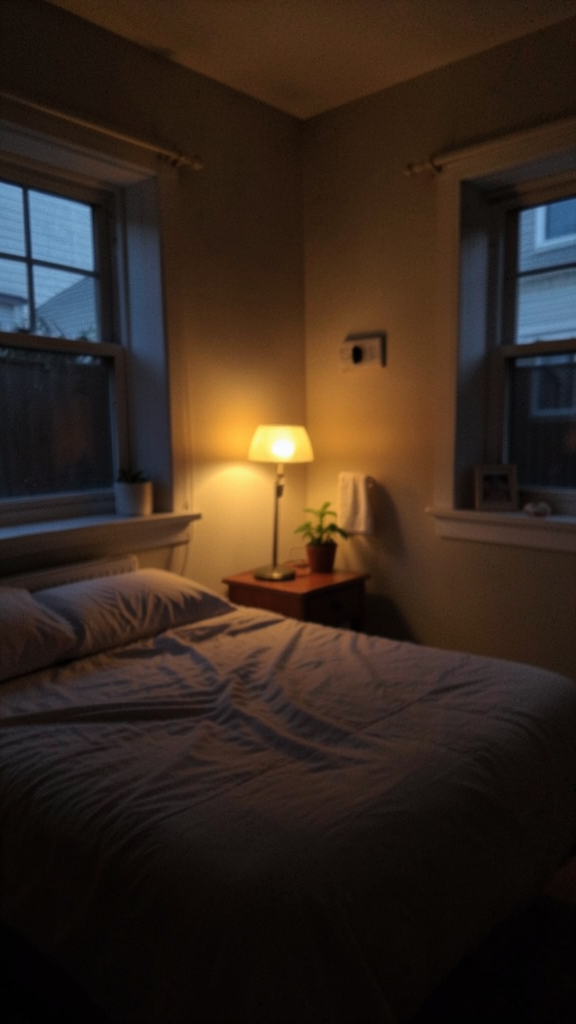
Not all fresh air is helpful.
Follow this pattern:
I used to leave windows open all day. Big mistake. Hot air just kept coming in :/
Takeaway: Let cool air in only when it is actually cool.
Plants can help regulate air and add a fresher feel.
Keep it simple:
I added a couple near my desk. The space felt calmer and slightly cooler, even if it was partly mental.
Takeaway: Plants support a cooler, fresher environment when used in moderation.
You do not need every room perfectly cool.
Instead:
As a mom, I learned quickly that we spend most time in just a few spots. Cooling everything equally made no sense IMO.
Takeaway: Cool the spaces you use, not the entire house.
Each of these smart home cooling ideas that save energy in summer may seem small on its own. But together, they shift how your home handles heat.
You are not just lowering temperature. You are managing airflow, reducing heat sources, and keeping cool air where it belongs.
Here is what changed for me:
And maybe more important, I stopped feeling like I was fighting my own home every afternoon.
Takeaway: Smart cooling is about working with your space, not overpowering it.
A cooler home does not have to mean higher bills. Most of the time, it comes down to simple choices you repeat every day.
Start with two or three ideas. Test them. Adjust based on your space and routine.
You will notice the shift quickly. And once you do, you will wonder why you ever relied on just blasting the AC to get through summer.