Physical Address
304 North Cardinal St.
Dorchester Center, MA 02124
Physical Address
304 North Cardinal St.
Dorchester Center, MA 02124

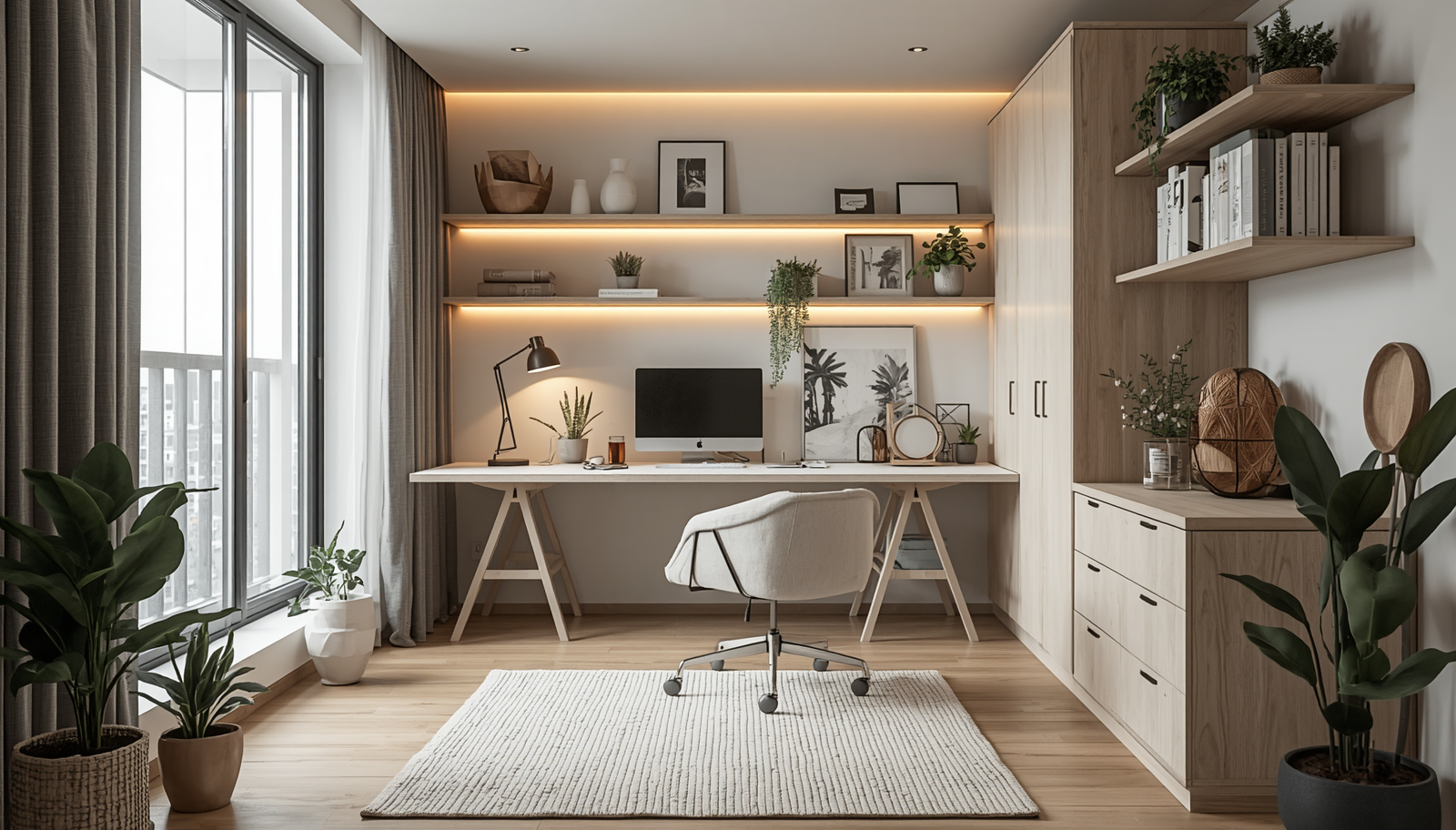
Discover the best small home office layout plans for 2027 that maximize space, improve productivity, and make even the tiniest workspace feel stylish, functional, and comfortable.
The laptop sits on the corner of the dining table again. Your chair barely slides back without hitting something. Cables somehow multiply overnight, and every Zoom meeting starts with frantic camera-angle adjustments to hide the chaos behind you. Meanwhile, social media keeps showing flawless home offices that look bigger than entire apartments.
Small home offices can feel frustrating when the layout works against you instead of helping you focus. I learned that the hard way while juggling freelance projects, business deadlines, and family life inside apartments where every square foot mattered. One bad furniture decision can make a room feel cramped instantly. One smart layout can completely change how the space functions 🙂
The good news is that small office design keeps getting smarter. The best small home office layout plans for 2027 focus less on perfection and more on flexibility, comfort, and realistic daily life.
Here are the layout ideas that actually make small spaces work better.
Natural light remains the most valuable feature in any small office. A layout built around the window instantly makes the room feel more open and energizing.
This setup works especially well for people who spend long hours at the desk.


Natural light reduces eye strain and helps energy levels stay more consistent.
Bright spaces visually expand even tiny rooms.
Good lighting improves video calls immediately. No more accidental horror-movie shadows under your eyes.
I moved my desk beside a window during a stressful work season and noticed the difference almost immediately. Suddenly my office felt less like a cramped corner and more like an actual workspace.
Takeaway: Window-focused layouts make small offices feel brighter, bigger, and easier to work in.
Floating desks continue dominating small office trends because they save space while keeping the room visually open.
This layout works beautifully in bedrooms, apartments, and multi-purpose spaces.


The room instantly feels lighter when furniture does not visually crowd the floor.
Shelves above the desk maximize vertical storage.
Desk lamps steal valuable workspace quickly.
Floating desks look best when cords stay invisible.
I used a floating desk in one apartment where the bedroom barely fit a bed and dresser. Somehow that tiny desk setup still felt functional because the room stayed visually uncluttered. Tiny-space magic, honestly.
Takeaway: Floating desk layouts create openness without sacrificing functionality.
Corners often become wasted space in small homes. Meanwhile, they can actually create some of the best office layouts.
Corner setups naturally feel separated from the rest of the room, which helps concentration.


Corners use areas that often stay empty.
The layout creates a sense of privacy without needing an entire separate room.
Two walls mean double the shelving potential, FYI.
One awkward apartment corner became my favorite work area after adding warm lighting and a narrow desk. Before that, the space mostly collected laundry baskets and regret.
Takeaway: Corner office layouts maximize unused space while improving focus and organization.
More couples and roommates work from home together now, which means shared office layouts matter more than ever.
The challenge is creating enough personal space without overcrowding the room.


A continuous desk usually works better than two separate desks.
Small dividers or shelving create personal zones.
Shared storage prevents clutter chaos.
Compact chairs help movement feel easier.
My husband and I once tried forcing two giant desks into one room. It looked ridiculous immediately. Switching to one long desk made the room feel twice as functional.
Soft rugs, curtains, and noise-canceling headphones become survival tools in shared offices :/
Takeaway: Shared layouts work best when they balance openness with personal workspace boundaries.
Not everyone has a dedicated office room. Sometimes the workspace shares space with a guest bed, nursery, or storage area.
The best 2027 layouts embrace flexibility instead of fighting it.


Use rugs, lighting, or shelving to create distinction between work and relaxation areas.
That separation matters psychologically. Nobody wants their brain associating the bed with spreadsheets and client emails forever.
Multi-purpose spaces become cluttered fast.
Closed storage keeps the room calmer and more functional.
Takeaway: Flexible layouts help small rooms handle multiple purposes without feeling chaotic.
The smartest office layouts in 2027 focus heavily on vertical space instead of adding more bulky furniture.
Walls become storage tools instead of empty surfaces.


Perfect for books, decor, and supplies.
Ideal for organizing office accessories without cluttering the desk.
Narrow vertical cabinets store far more than wide drawers.
Simple hooks hold bags, headphones, and cables easily.
I ignored vertical storage for years because I assumed shelves would make the room feel crowded. Turns out the opposite happened. My desk finally stayed clear enough to actually work on.
Takeaway: Vertical layouts maximize storage while protecting valuable floor space.
The biggest shift happening in 2027 office design is comfort. People no longer want workspaces that feel sterile or overly corporate.
The cozy lounge layout focuses on softer textures and relaxed energy.


Comfort should not become clutter.
Keep decorative pieces intentional instead of covering every surface with random trendy objects.
One soft rug and warm desk lamp completely changed the feeling of my office during late-night work sessions. Amazing what proper lighting can do for human morale.
Takeaway: Comfort-focused layouts improve both productivity and daily work satisfaction.
Even stylish offices become frustrating when the layout ignores practicality.
Large furniture near windows makes rooms feel smaller immediately.
Huge desks dominate compact spaces quickly.
Visible cords create instant visual stress.
Every empty corner does not need furniture.
You should move comfortably through the room without bumping into everything constantly.
IMO, the best small office layouts feel simple and functional first. Aesthetic comes second.
Takeaway: Good layouts support real daily life instead of just looking pretty online.
The best small home office layout plans for 2027 focus on flexibility, comfort, and smarter use of limited space. You do not need a giant office to create a productive environment. You simply need thoughtful layouts that support how you actually work.
Start with one improvement. Move your desk near natural light. Add vertical storage. Replace bulky furniture with slimmer pieces. Create clearer zones inside the room.
Small adjustments completely change how a workspace feels over time.
Because honestly, working from home already comes with enough distractions. Your office layout should help your brain focus instead of making you feel trapped inside a cluttered furniture puzzle.