Physical Address
304 North Cardinal St.
Dorchester Center, MA 02124
Physical Address
304 North Cardinal St.
Dorchester Center, MA 02124

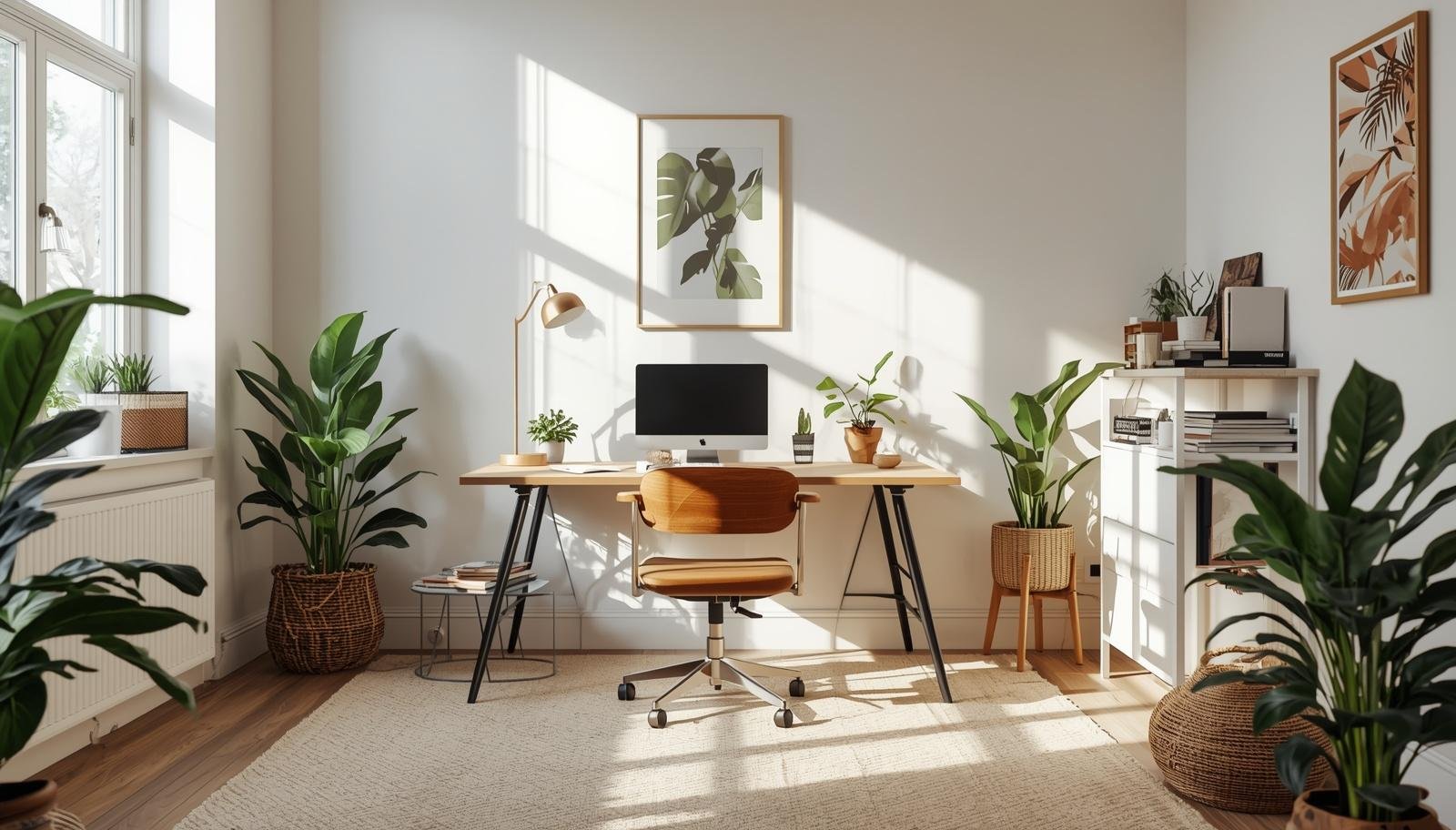
The latest home office layout trends for 2026 focus less on perfection and more on creating flexible, comfortable spaces that actually work in real everyday life.
The desk looked perfect on paper. Clean lines, trendy colors, everything Pinterest would approve of. But by day three, I kept shifting in my chair, reaching too far for basic stuff, and wondering why I felt so drained by noon.
That disconnect hits a lot of us. We chase what looks good instead of what actually works. And then we end up redesigning the same space again six months later.
So if you are planning your setup, let’s get ahead of that cycle. These 10 home office layout design trends for 2026 focus on real life, not just pretty photos.

Trends can help. They show what is working for people right now. But copying them blindly is where things fall apart.
I learned that after trying a minimalist setup that looked amazing but gave me zero storage. Everything ended up in random piles. So much for clean and calm 🙂
Use trends as a guide, not a rulebook.
Here is what to focus on:
Takeaway: Trends should solve problems, not create new ones.
Single-purpose spaces are fading out. Life does not stay in neat boxes, especially at home.
Now, layouts include multiple zones:
I added a tiny side table just for quick note-taking and calls. It changed how I move through my day.
Takeaway: A flexible layout adapts to your tasks, not the other way around.

People finally stopped hiding desks in dark corners.
Placing your desk near a window boosts energy and mood. But placement matters. You do not want glare bouncing off your screen all day.
Best practices:
Takeaway: Natural light should support your work, not sabotage it.

Big bulky desks are losing popularity. They take over the room and limit movement.
Instead, 2026 leans toward:
I downsized my desk last year and instantly felt less cramped. More space does not always mean more furniture.
Takeaway: Smart furniture beats large furniture every time.
Clutter still exists. The difference now is how we hide it.
Storage walls help keep everything organized without crowding your workspace.
Think:
FYI, this saved me from drowning in paperwork and random cables.
Takeaway: Use vertical space to keep your desk clear and your mind focused.
Working from home blurred boundaries for a lot of people. Designers started fixing that through layout, not walls.
Simple tricks include:
I used a rug under my desk area. It sounds small, but it mentally signals work mode.
Takeaway: You do not need walls to create boundaries. You need intention.

Technology keeps growing, so layouts need to keep up.
No one wants cables running everywhere or devices stacked awkwardly.
Focus on:
I ignored this once and ended up with a charging station that looked like spaghetti. Not cute :/
Takeaway: Plan for your tech early or deal with chaos later.
This trend feels like a relief.
People are choosing comfort over picture-perfect setups. Finally.
That means:
IMO, if your setup hurts after two hours, it is not a good setup.
Takeaway: Comfort is not optional. It is the foundation.
Work is no longer just desk work.
Many people switch between:
Layouts now reflect that by allowing easy transitions.
I created a small open space next to my desk for quick standing work. It keeps me from feeling stuck all day.
Takeaway: Your layout should support how you actually work, not how you think you should work.
This is not just about decor. It is about how the space feels.
Adding natural elements improves focus and reduces stress.
Common additions:
I added one plant and somehow felt more productive. Maybe it judges me less than my to-do list.
Takeaway: A touch of nature makes your workspace feel less mechanical.

This might be the most important trend of all.
Perfect setups that ignore real life are fading out. People want spaces that handle interruptions, kids, pets, and daily chaos.
As a mom, I had to accept that my office is not a showroom. My daughter walks in, moves things around, and occasionally steals my chair.
So I adjusted:
Takeaway: A functional layout works even when life gets messy.
You do not need to redo your entire space.
Start small:
I usually test one change at a time. It keeps things simple and avoids overwhelm.
Takeaway: Small updates can bring big improvements when done intentionally.
Trends come and go, but good design sticks around because it works. These 10 home office layout design trends for 2026 focus on real needs, not just appearances.
Look at your space honestly. What feels off? What slows you down?
Fix that first. Then layer in trends that make sense for your life.
Because at the end of the day, your home office should help you get things done without making you question your life choices halfway through the morning.