Physical Address
304 North Cardinal St.
Dorchester Center, MA 02124
Physical Address
304 North Cardinal St.
Dorchester Center, MA 02124

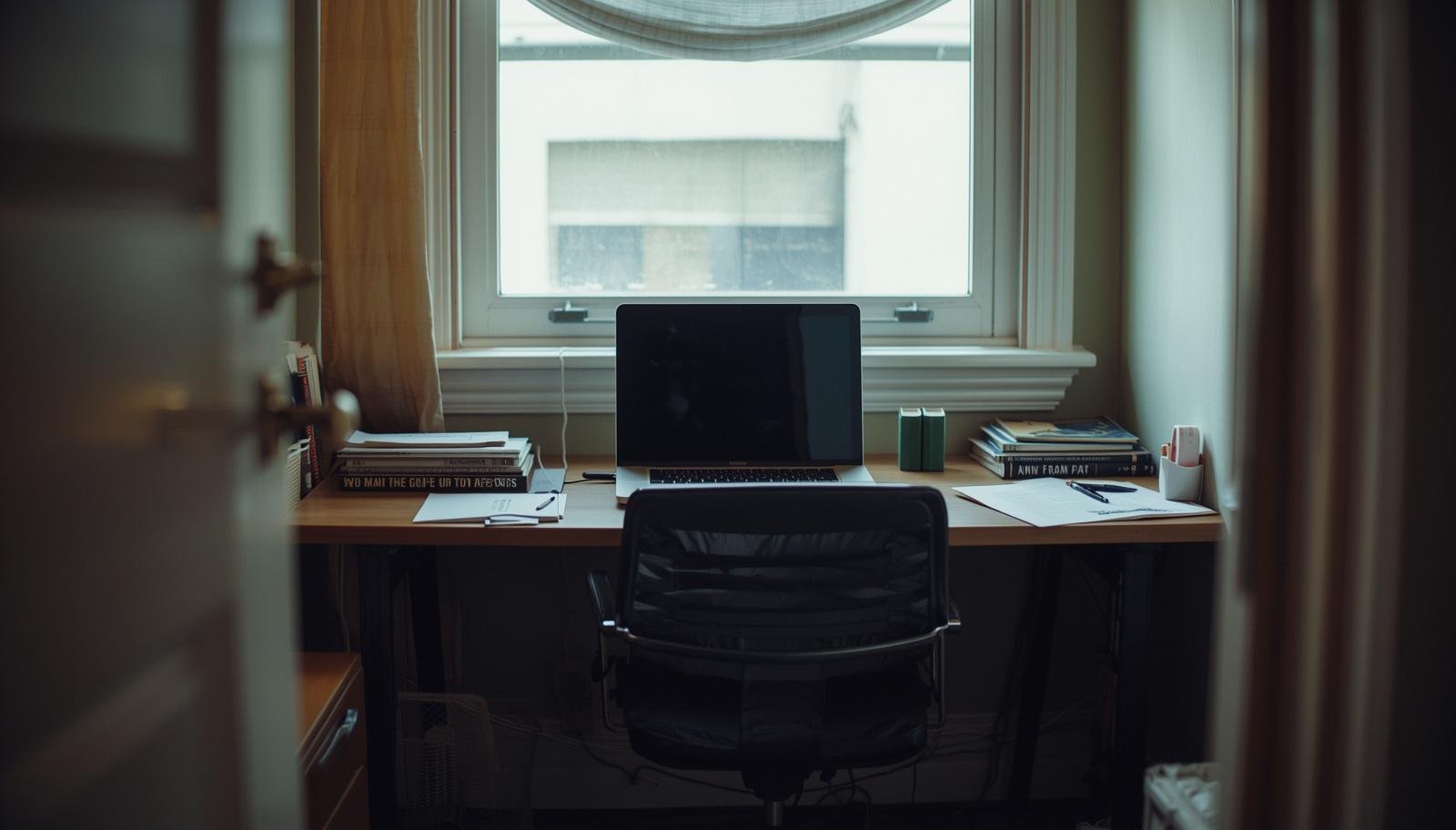
A practical, no-fluff guide to creating a student home office setup that actually helps you focus, even when your bed is calling your name.
The laptop is open, ten tabs are fighting for attention, and somehow the bed looks more inviting than any lecture ever could. You tell yourself you will study for just one hour, then suddenly you are scrolling memes and wondering where the time went. Sound familiar? Yeah, I have been there too, trying to juggle work, family, and a brain that refuses to focus.
Setting up a proper home office is not about buying fancy gear. It is about building a space that quietly nudges you to sit down and actually do the work. Let’s talk about what actually works, from someone who learned the hard way.

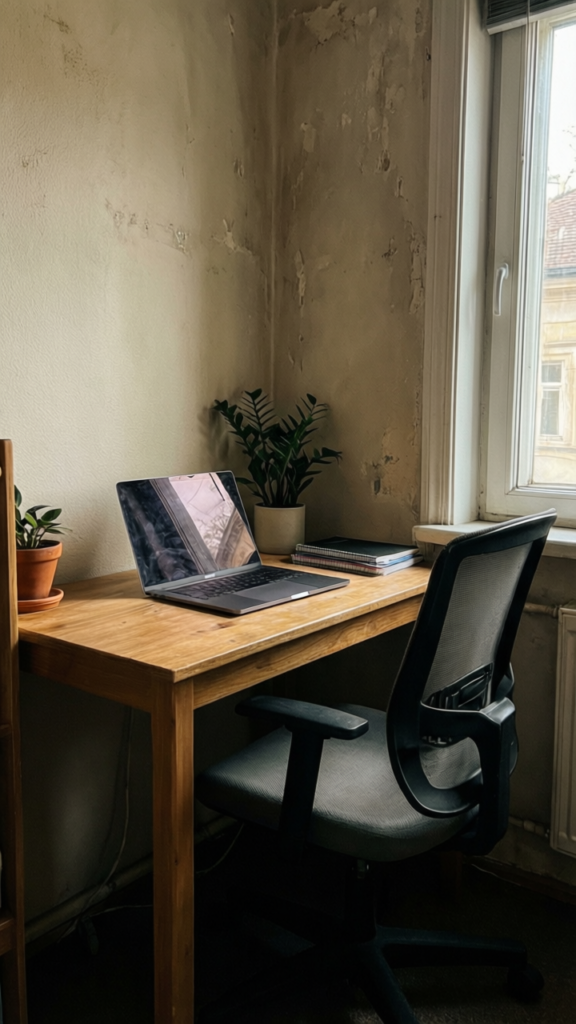
You cannot focus if your brain thinks your workspace is also your nap zone. I tried working from bed once. Big mistake. My productivity dropped faster than my patience during my daughter’s math homework meltdown.
Choose a specific corner or desk that is only for studying. Even if you live in a small space, claim a tiny area and make it yours.
Tips to make it work:
Takeaway: Your brain needs boundaries. A dedicated spot trains it to switch into work mode faster.
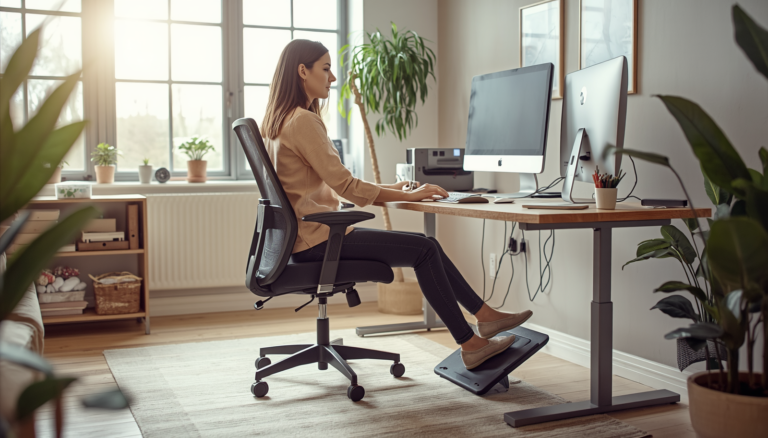
Back pain is not a personality trait. It is a warning sign. I ignored mine for months until I realized I was more focused on stretching than studying.
You do not need a luxury chair, but you do need something that supports your back. Trust me, your future self will thank you.
Look for:
Takeaway: Comfort equals focus. If your body hurts, your brain checks out.
Ever tried studying in dim lighting? It feels cozy for five minutes, then your eyes start begging for mercy.
Natural light works best. If you can, set your desk near a window. If not, get a decent desk lamp with soft white light.
Lighting tips:
Takeaway: Good lighting reduces eye strain and keeps you alert longer.

A messy desk equals a messy mind. I used to keep everything on my table. Books, snacks, random papers, even my kid’s crayons somehow.
Now I keep only what I need for the task at hand. The difference is wild.
Keep it simple:
Everything else goes away.
Takeaway: Less clutter means fewer distractions. Your brain stays on track.
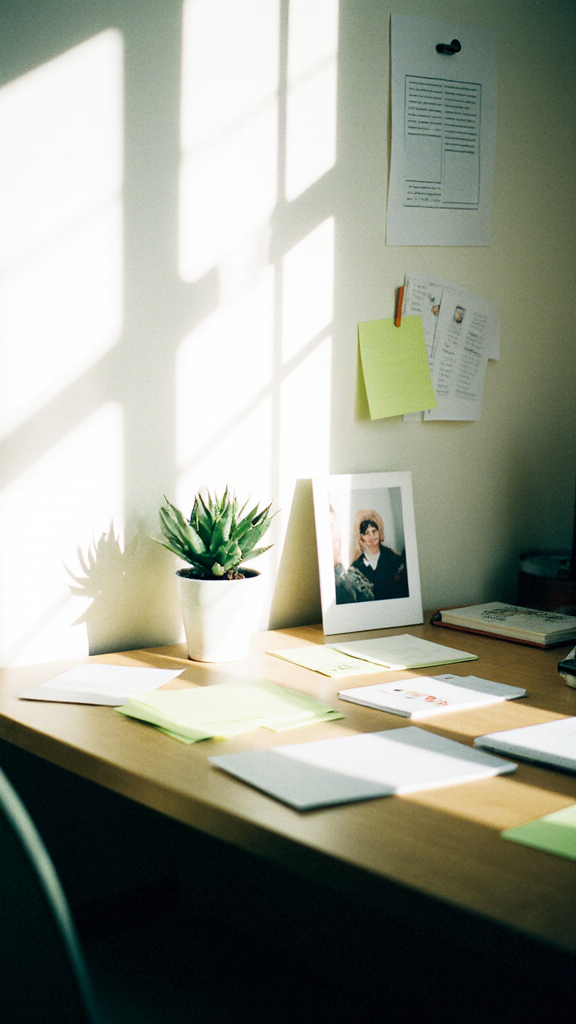
This one sounds soft, but it matters. A workspace that feels boring kills motivation faster than a long lecture.
Add small things that make you smile. Not a full Pinterest explosion, just enough to make the space feel human.
Ideas:
I keep a tiny plant on my desk. It is still alive, which feels like a personal achievement 🙂
Takeaway: A pleasant environment makes you want to sit down and stay longer.
Nothing breaks focus like getting up every five minutes. Water, charger, notebook, snacks. Suddenly your study session turns into a mini workout.
Set up your desk so everything you need is within arm’s reach.
Must-haves nearby:
Takeaway: Reduce interruptions to maintain deep focus. Small delays add up fast.
Silence is great until it feels too quiet. Noise is fine until it becomes chaos. Finding your balance is key.
I cannot work with loud TV in the background. My brain starts following the plot instead of the task. Not helpful.
Options to try:
Takeaway: Control your sound environment so your brain can stay in the zone.
Messy cables are not just ugly. They are annoying. You waste time untangling things instead of getting work done.
I learned this after nearly pulling my laptop off the desk one too many times. Not my proudest moment :/
Quick fixes:
Takeaway: A clean tech setup saves time and reduces frustration.
Your workspace is not just physical. It also includes how you manage tasks.
You do not need complicated apps. Keep it simple and consistent.
Try this basic system:
There is something deeply satisfying about crossing things off a list. It feels like progress, even on slow days.
Takeaway: A clear plan keeps you focused and prevents overwhelm.
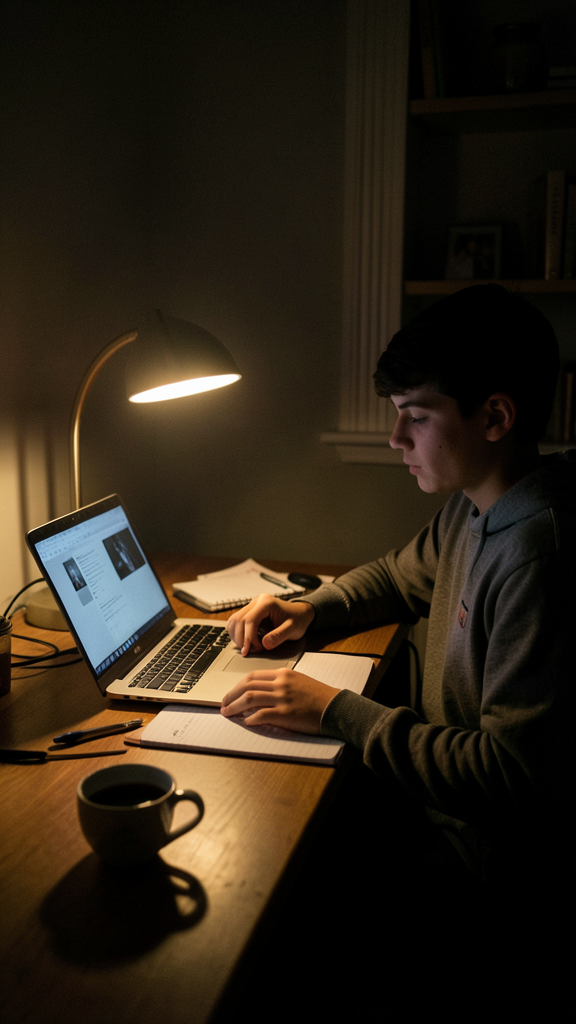
Even the best setup fails if you use it randomly. Consistency is what turns a desk into a productivity zone.
Sit down at the same time each day if possible. Start with a small ritual. Maybe a cup of coffee or a quick review of your notes.
I usually sit down, take a deep breath, and tell myself just start. It sounds simple, but it works.
Routine ideas:
Takeaway: Routine builds momentum. Your brain learns when it is time to focus.
Creating a productive home office setup is not about perfection. It is about making small changes that actually support your habits. You do not need a huge budget or a fancy room. You just need intention.
Start with one or two ideas from this list. Test what works for you. Adjust as you go. That is how real productivity grows, not through some perfect setup you saw online.
At the end of the day, your workspace should make it easier to show up and do the work. Not perfectly, not every time, but often enough to move forward.
And honestly, if you manage to sit down and focus for even an hour without getting distracted, that is already a win.