Physical Address
304 North Cardinal St.
Dorchester Center, MA 02124
Physical Address
304 North Cardinal St.
Dorchester Center, MA 02124

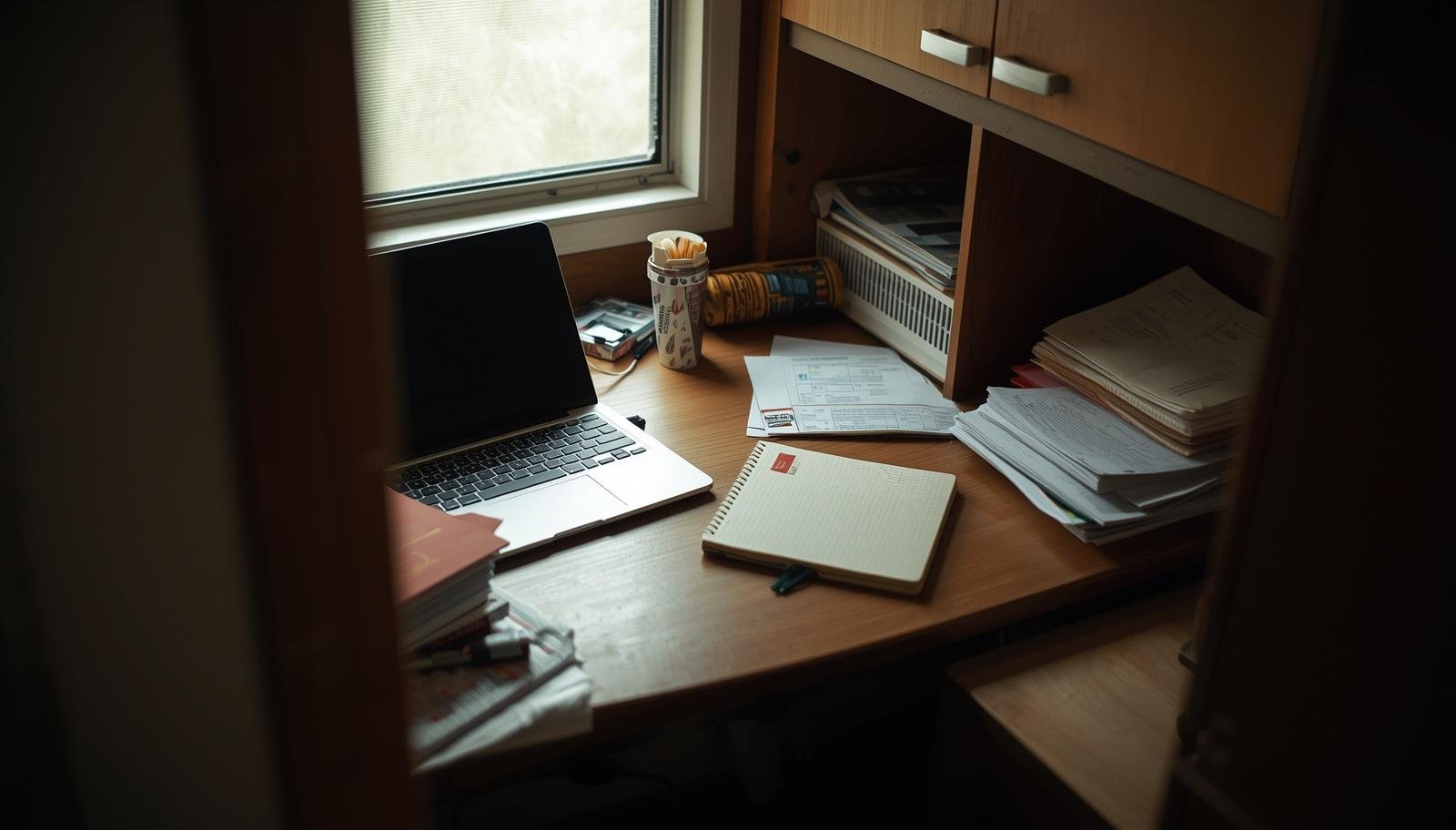
A cramped and messy study desk can quietly ruin your focus, but a few simple setup changes can turn even the smallest space into a place where you actually get things done.
The book is open, but your brain isn’t. Your desk feels cramped, your notes are everywhere, and somehow your phone ends up in your hand every five minutes. You tell yourself you’ll focus, but your space makes it way harder than it should be.
I’ve worked and studied in corners, shared tables, and spaces that barely qualified as desks. Add a kid running around and suddenly focus feels like a luxury. So I stopped chasing perfect setups and started building ones that actually work in small spaces.
These 10 study desk setup ideas for small spaces to stay focused are simple, realistic, and built for people who don’t have extra room to waste.
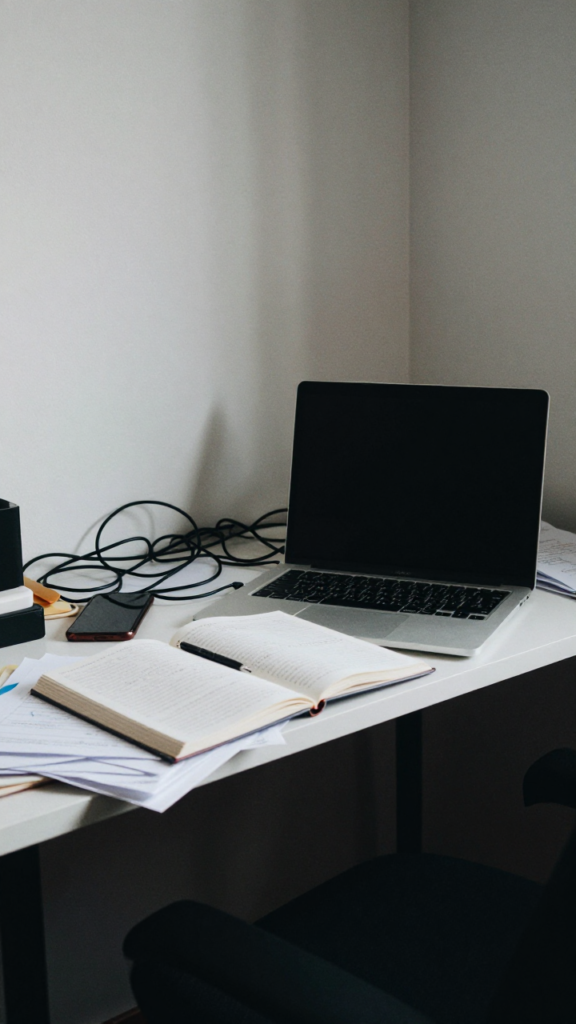
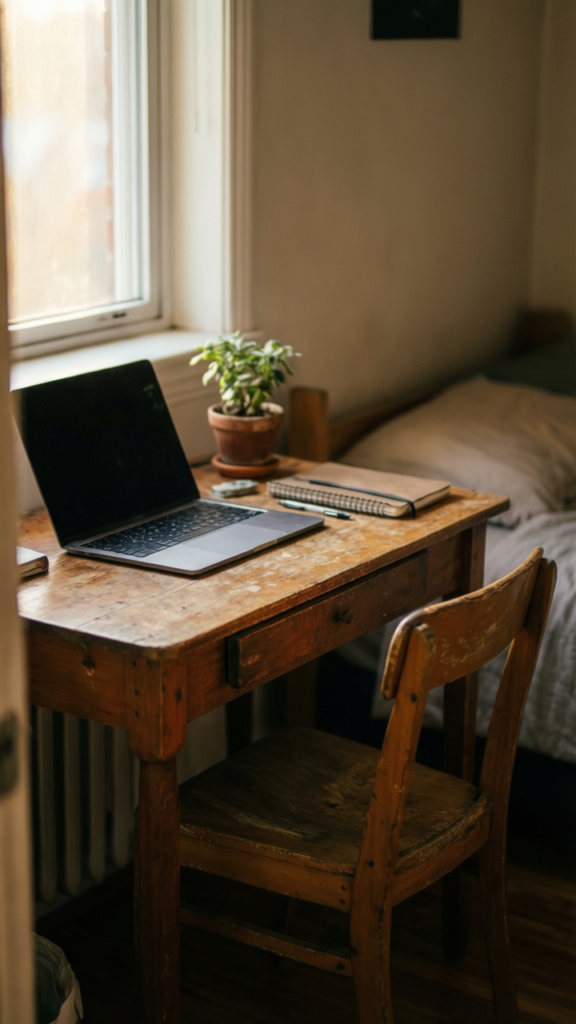
Switching locations sounds flexible. It kills focus.
Your brain needs consistency. When you sit in the same place every time, it starts to associate that spot with work.
Even if your space is tiny, choose one:
I used to rotate spots all day. It felt productive. It wasn’t.
Takeaway: A fixed study spot trains your brain to focus faster.

A crowded desk competes for your attention.
At one point, my desk had books, notes, snacks, random chargers, and things I didn’t even recognize. No wonder I couldn’t focus.
Now I keep only:
That’s it. Everything else lives somewhere else.
Takeaway: A clean desk gives your mind fewer things to process.
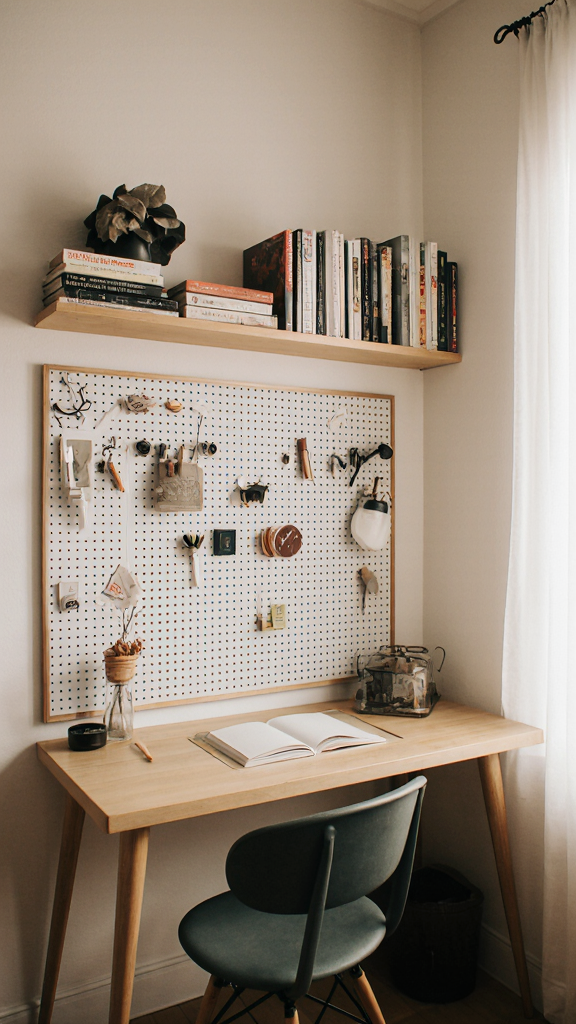
Small desks run out of space fast. Walls don’t.
Add:
Just don’t turn your wall into a storage unit. I tried that once and it felt like studying inside a closet.
Takeaway: Use vertical storage to free desk space, not overwhelm it.
Bad lighting makes studying harder than it needs to be.
I used to sit in dim lighting and wondered why I felt tired after 20 minutes. Turns out my eyes were working overtime.
Fix it with:
Your focus improves when your eyes relax.
Takeaway: Good lighting reduces strain and boosts concentration.
Every time you get up, you risk losing focus.
And let’s be honest, getting up often leads to doing something else. Like checking the fridge for no reason.
Keep close:
I once got up to grab a pen and ended up reorganizing a drawer. That was not the plan 🙂
Takeaway: Easy access to essentials keeps you in the flow.
Not everything can stay minimal. That’s fine.
Use:
I keep a basket for things I don’t want to deal with right away. It’s not perfect, but it works.
Takeaway: Hidden clutter is easier to manage than visible chaos.
You don’t need every device on your desk.
At one point, I had my laptop, tablet, phone, and extra screen all competing for attention. Guess how much studying happened.
Now I stick to:
Everything else stays away.
Takeaway: Fewer devices help you stay focused longer.
Minimal doesn’t mean cold.
Add one thing that makes you feel good:
Not five things. Not a collection.
Just enough to make your space feel like yours.
Takeaway: A touch of comfort makes studying more enjoyable.

A messy desk waiting for you tomorrow is the worst.
I started doing a quick reset at the end of each session:
It takes five minutes. It changes everything.
Skip it once and you’ll feel it the next day :/
Takeaway: Daily resets keep your study space ready and stress-free.
Some days your desk will look great. Other days it won’t.
Maybe you’re tired. Maybe life gets busy. Maybe you just don’t feel like cleaning.
That’s normal.
What matters is returning to your system when things slip. IMO, consistency beats perfection every time.
Takeaway: A functional study space matters more than a perfect one.
You don’t need to change everything at once.
Start simple:
Then build from there.
The goal is not a perfect setup. It’s a space that helps you sit down and actually focus without fighting your environment.
Small spaces don’t block focus. Poor setups do.
These 10 study desk setup ideas for small spaces to stay focused are designed for real life. Tight rooms, shared spaces, and days when motivation feels low.
Start with one small change today. Clear your desk or fix your lighting.
Because when your space supports your focus, studying stops feeling like a constant battle and starts feeling manageable.