Physical Address
304 North Cardinal St.
Dorchester Center, MA 02124
Physical Address
304 North Cardinal St.
Dorchester Center, MA 02124

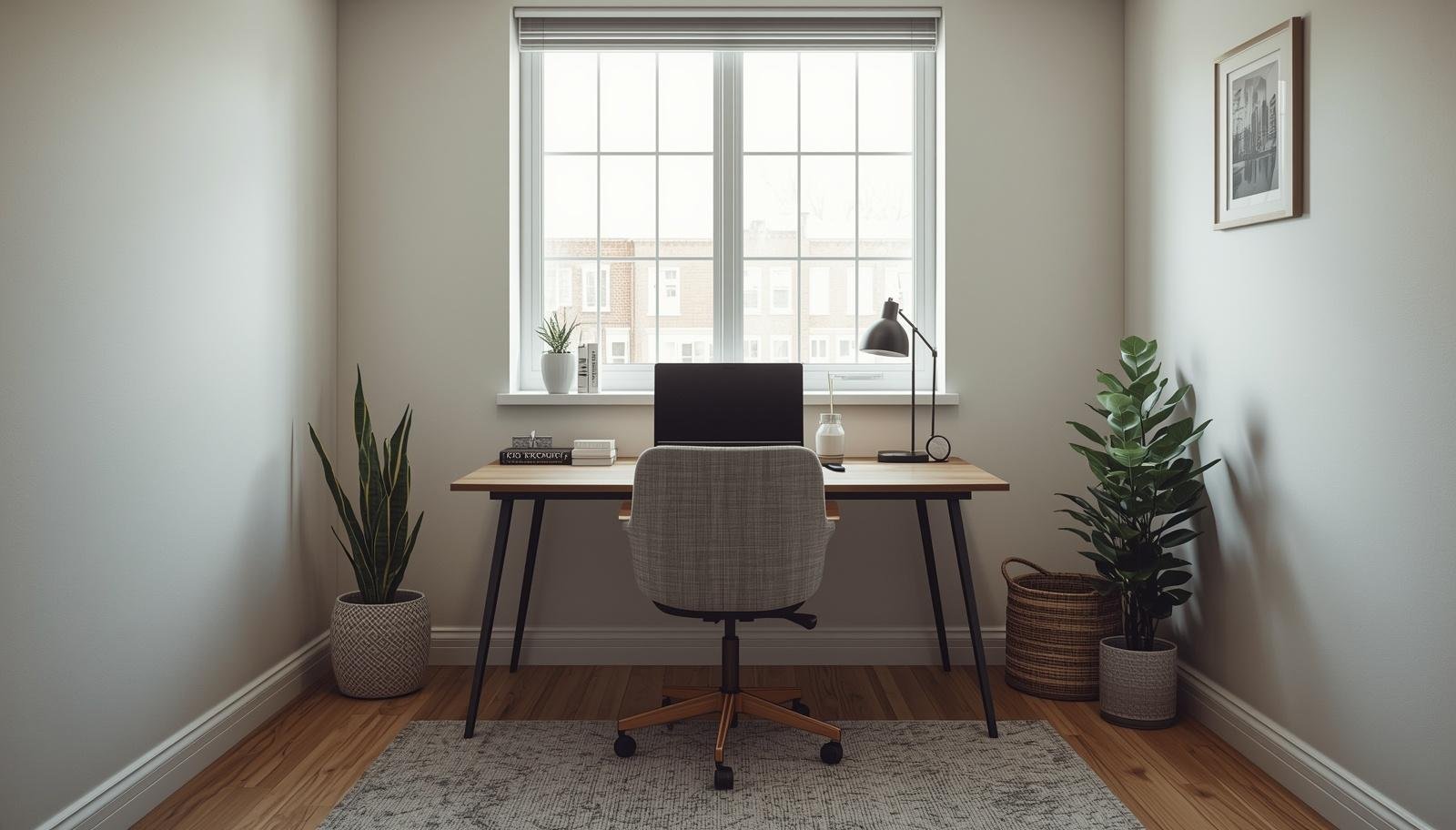
A functional office layout is not about perfect design, but about making small, intentional changes that quietly make your daily work easier.
The chair feels slightly off. The desk is close, but not quite right. You reach for something and knock over a pen. It is small stuff, but it keeps happening.
You sit there thinking maybe you just need to focus more. But the truth is simple. The space is not helping you.
Most people try to fix productivity with effort. A better layout does more with less effort.
These are 11 steps to a functional office space layout that actually works, based on what I have tested, fixed, and messed up more times than I want to admit.

Before moving furniture, pay attention to yourself.
Walk into the room. Sit down. Stand up. Reach for things.
I skipped this before and kept rearranging randomly. It never stuck.
Takeaway: Your movement shows what the layout needs.

Everything builds around the desk.
If the desk feels wrong, nothing else will feel right.
I moved mine five times before it felt natural.
Takeaway: A good desk position solves half your problems.
A chair is not just for sitting. It needs room to move.
I used to squeeze mine into tight corners. It worked until it didn’t.
It sounds basic. It changes everything 🙂
Takeaway: Comfort depends on space, not just the chair.
Pick one wall to organize your main setup.
This reduces visual clutter and keeps things grounded.
It makes the room feel less chaotic.
Takeaway: One strong wall creates structure.

Do not wait until your desk is full.
I made that mistake and had to fix it later.
It frees your desk without taking more floor space.
Takeaway: Go vertical before clutter builds.

Even small spaces need separation.
Working, thinking, and relaxing in one spot gets tiring fast.
I added a chair in one corner and it changed how I worked.
Takeaway: Zones give your brain a break.
This is where most people struggle.
You want everything close. But too much slows you down.
Everything else should move off the desk.
FYI, that pile of random stuff is not helping 🙂
Takeaway: A clean desk supports faster work.
Lighting is not optional. It shapes your entire day.
I worked under one ceiling light for months. It felt dull and tiring.
It makes the room feel more natural.
Takeaway: Good lighting reduces strain and improves mood.
Big furniture looks great online. Not in your room.
I once bought a desk that dominated the space. Lesson learned.
The room should feel usable, not full.
Takeaway: Fit matters more than size.

Not every corner needs something.
Empty space helps your eyes rest.
I resisted this idea at first. Then I understood it :/
Takeaway: Empty space is part of good layout.
This is the step people skip.
You set up your space and leave it. But your needs change.
With a kid around, I learned this quickly. Things shift. You adapt.
No setup stays perfect forever.
Takeaway: A working layout evolves with your life.
You will feel it.
You sit down and start working without adjusting five things first.
That is the goal.
Takeaway: A good layout disappears while you work.
These are easy to miss.
I made all of these. They build up slowly.
Takeaway: Small issues create constant friction.
A functional office space layout is not about perfect design.
It is about making your space easier to use every day.
Here is what matters most:
Once you get this right, work feels smoother.
IMO, that is the real goal.
Your office should not make you work harder.
It should quietly support you while you focus on what matters.
Pick one step from this list and try it today. Just one.
Then sit down and notice the difference.