Physical Address
304 North Cardinal St.
Dorchester Center, MA 02124
Physical Address
304 North Cardinal St.
Dorchester Center, MA 02124

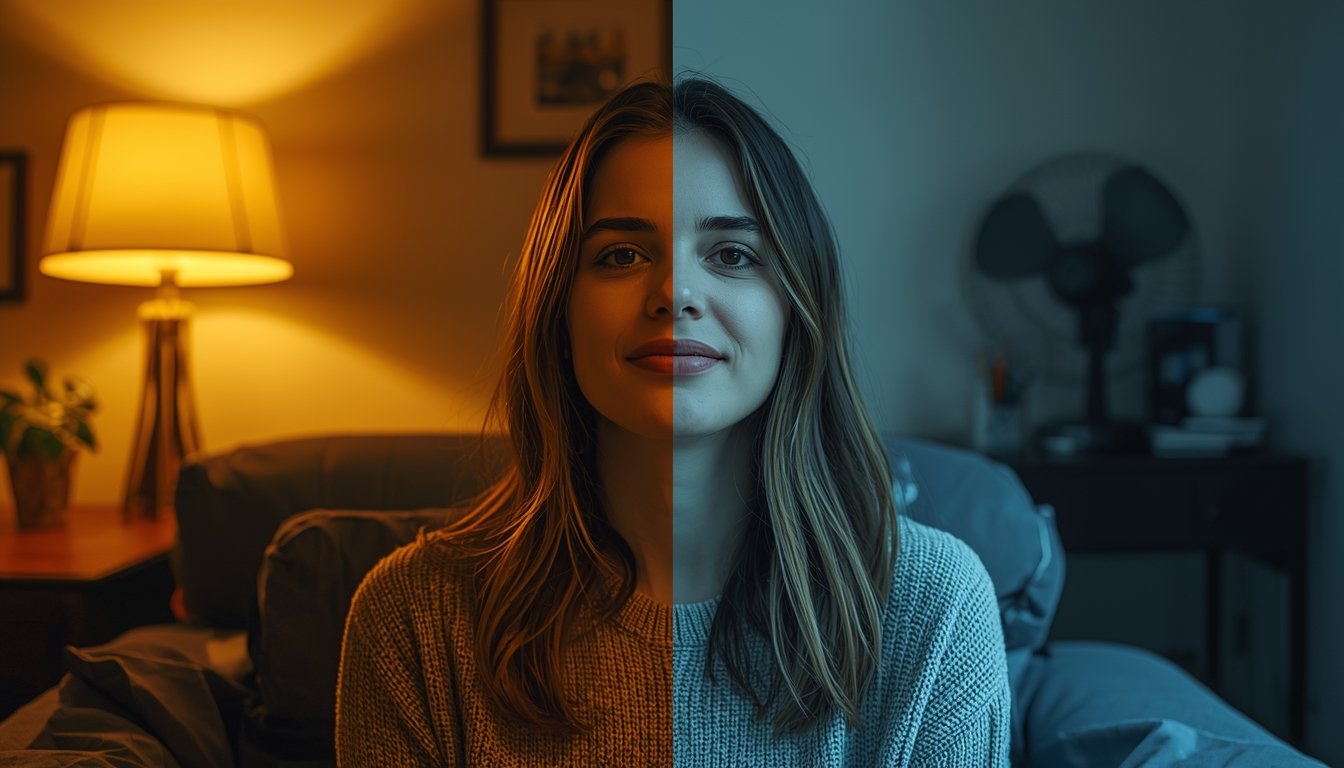
Small lighting changes can quietly make your home feel cooler, more comfortable, and less dependent on constant AC without you even noticing.
The room already felt stuffy before noon. I had the fan running, windows cracked open, and still… it felt like the light itself was working against me. Turns out, it kind of was.
Most people think about AC, curtains, or insulation when heat becomes a problem. Lighting rarely gets blamed. But once I started paying attention, I realized some bulbs were basically tiny heaters pretending to help me see. Not helpful 🙂
If your home feels warmer than it should, your lighting setup might be part of the problem. Here are 15 smart lighting ideas that actually make a difference.
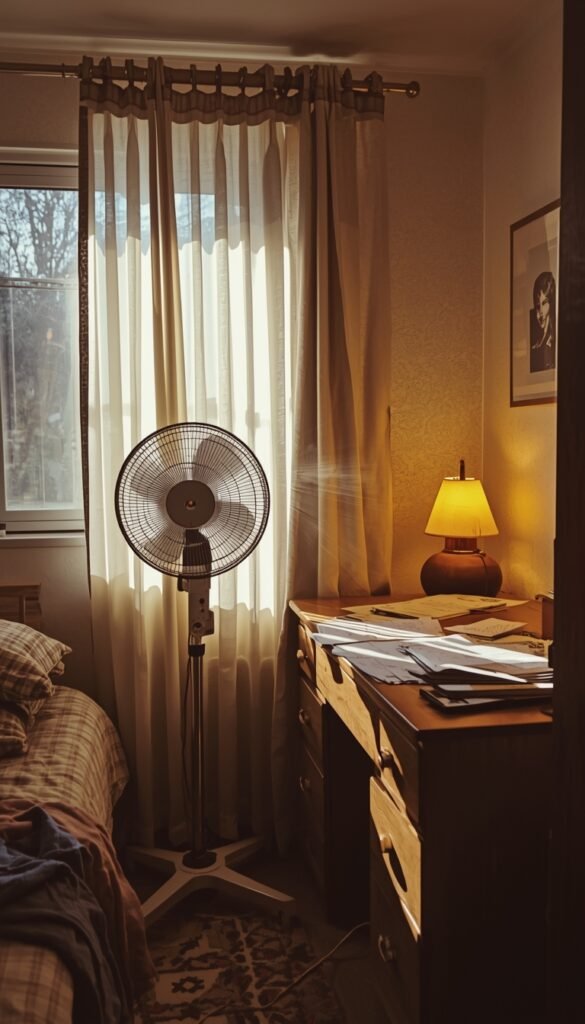
Traditional bulbs waste a lot of energy as heat. That heat builds up slowly, especially in small rooms or during long summer days.
Even a few inefficient lights can push your space from comfortable to sweaty without you noticing the cause.
Takeaway: Your lighting choices quietly affect your home temperature every single day.
This is the easiest win.
LED bulbs use less energy and stay cool compared to old incandescent ones. You can touch them after hours of use without burning your fingers. Try that with older bulbs and you will regret it instantly.
Start with high-use areas like your kitchen, living room, and workspace.
Takeaway: LEDs reduce both heat and electricity bills at the same time.
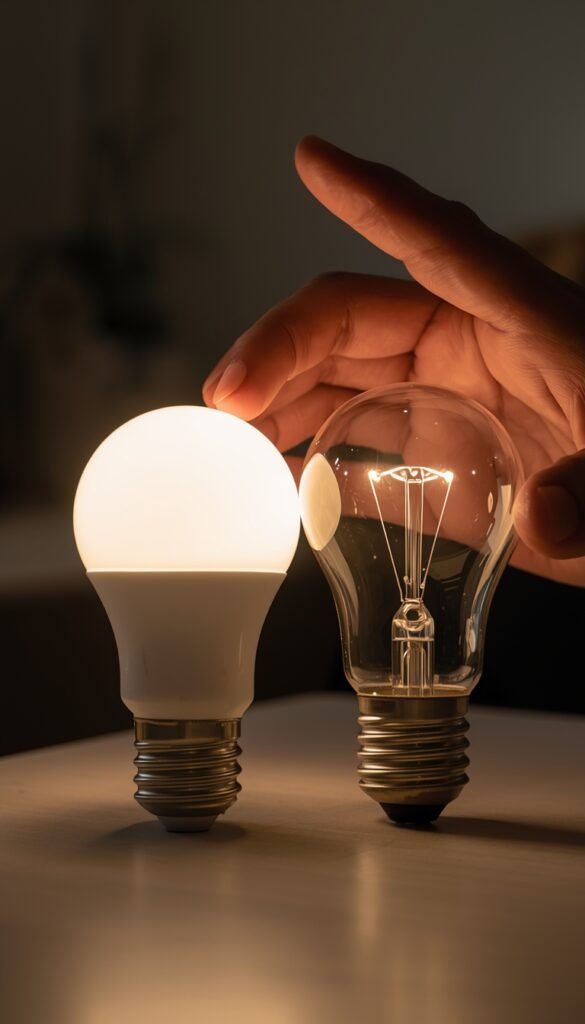
These are the main offenders.
They convert most of their energy into heat instead of light. So you are basically paying to warm your room when you are already uncomfortable. Makes no sense when you think about it.
Check your fixtures. If you still have these, it is time to let them go.
Takeaway: Old bulbs act like mini heaters. Replace them first.
Wondering how much switching to LED actually saves? This quick tool shows you real numbers in seconds.
Not every space needs bright, intense lighting.
Bedrooms, hallways, and corners can work perfectly fine with softer light. Lower wattage means less heat produced.
I used to over-light everything because I thought brighter meant better. It just made the room feel harsher and warmer.
Takeaway: Match brightness to the purpose of the room.
Light color affects how a room feels.
Cool white or daylight bulbs create a fresher atmosphere. Warm yellow tones can feel cozy, but in summer they sometimes make the space feel heavier.
It is a small shift, but it changes the mood more than you expect.
Takeaway: Cooler light tones help your space feel less stuffy.
Dimmers give you control.
Lower brightness means lower heat output. It also lets you adjust based on time of day instead of blasting full light all the time.
I installed one in my living room and now I barely use full brightness unless I am cleaning.
Takeaway: Less brightness equals less heat and more comfort.
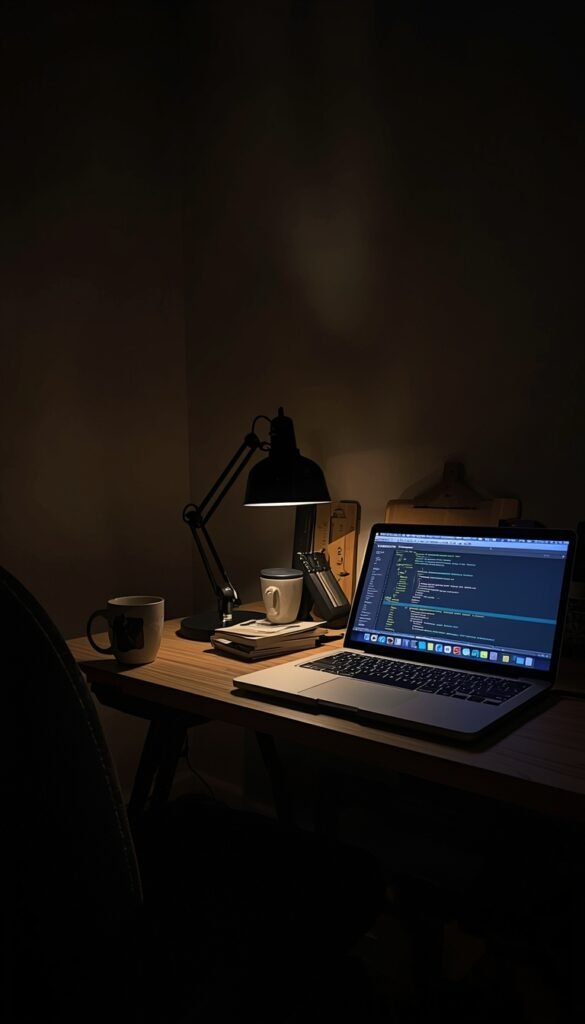
Lighting an entire room when you only need a small area is wasteful.
Use desk lamps, reading lights, or under-cabinet lighting instead of overhead fixtures.
This one changed how I work at home. My desk stays bright, but the rest of the room stays cooler.
Takeaway: Light only where you need it.
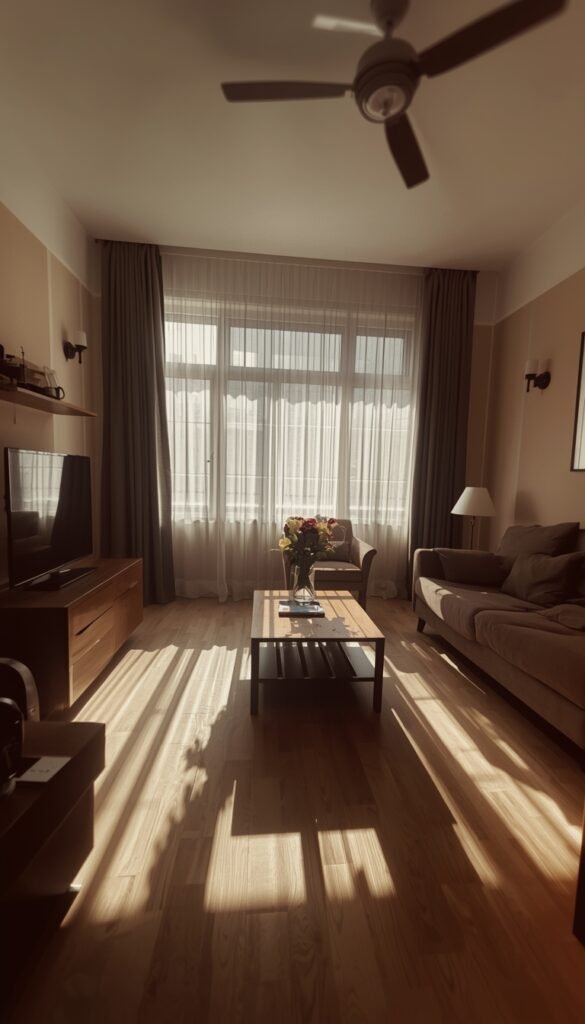
Sounds obvious, but most people forget.
Natural daylight is free and does not add heat the way bulbs do. Keep lights off unless absolutely necessary.
I used to leave lights on out of habit. Now I catch myself and switch them off without thinking.
Takeaway: Less usage always means less heat.
Smart bulbs help automate everything.
Set schedules so lights turn off when not needed. You can also dim them or change brightness remotely.
This is especially helpful if you have kids or a busy household where lights get left on all the time.
Takeaway: Automation reduces unnecessary heat without effort.
Motion sensors solve the same problem in a different way.
Lights turn on only when someone is in the room and shut off when it is empty. No more lights baking an empty space.
I added one in the hallway and it felt oddly satisfying to stop wasting energy.
Takeaway: No people, no light, no extra heat.
If you have a patio or balcony, use it.
Outdoor lighting keeps heat outside instead of building up indoors. It also feels more relaxing after a long day.
Sometimes we forget we even have that option.
Takeaway: Shift your lighting outside when possible.
Dust blocks light output.
When bulbs get covered in dust, you end up using brighter settings to compensate. That creates more heat.
Cleaning fixtures is boring, I know. But it actually makes a difference.
Takeaway: Clean lights work better and run cooler.
Some light fixtures trap heat.
Closed designs hold warm air around the bulb. Open or ventilated designs allow heat to escape more easily.
This matters more than most people realize, especially in small rooms.
Takeaway: Let your lighting breathe.
Mirrors and light-colored walls help spread light around.
This means you can use fewer bulbs or lower brightness without losing visibility.
I noticed this after switching to lighter decor. The same bulb suddenly felt twice as effective.
Takeaway: Reflect light instead of adding more of it.
Solar lights are underrated.
They work great for gardens, pathways, or even indoor spots near windows. They reduce reliance on electrical lighting.
It is not perfect for every situation, but it helps.
Takeaway: Use free sunlight whenever you can.
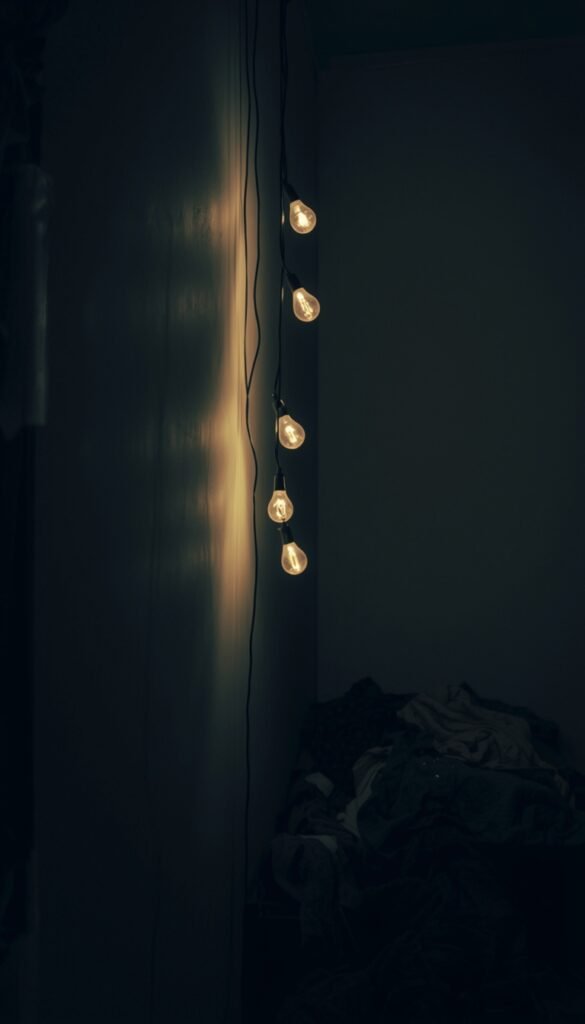
String lights and decorative lamps look nice, but they still generate heat.
Leaving them on all day adds up. Even small sources contribute over time.
This was a hard habit to break for me because I love cozy lighting. But summer is not the time for it, IMO.
Takeaway: Decorative lighting is optional, especially in hot weather.
Once I paid attention to lighting, the difference in comfort surprised me. The house did not magically turn cold, but it stopped fighting against me.
Cooling your home is not just about adding more fans or blasting AC. Sometimes it is about removing the small things that quietly add heat all day.
If you try even a few of these ideas, you will feel the shift. Not dramatic, but real. And honestly, that is usually enough 🙂
If you want more ideas on using Alexa routines to cool your home automatically, check out my other article.