Physical Address
304 North Cardinal St.
Dorchester Center, MA 02124
Physical Address
304 North Cardinal St.
Dorchester Center, MA 02124

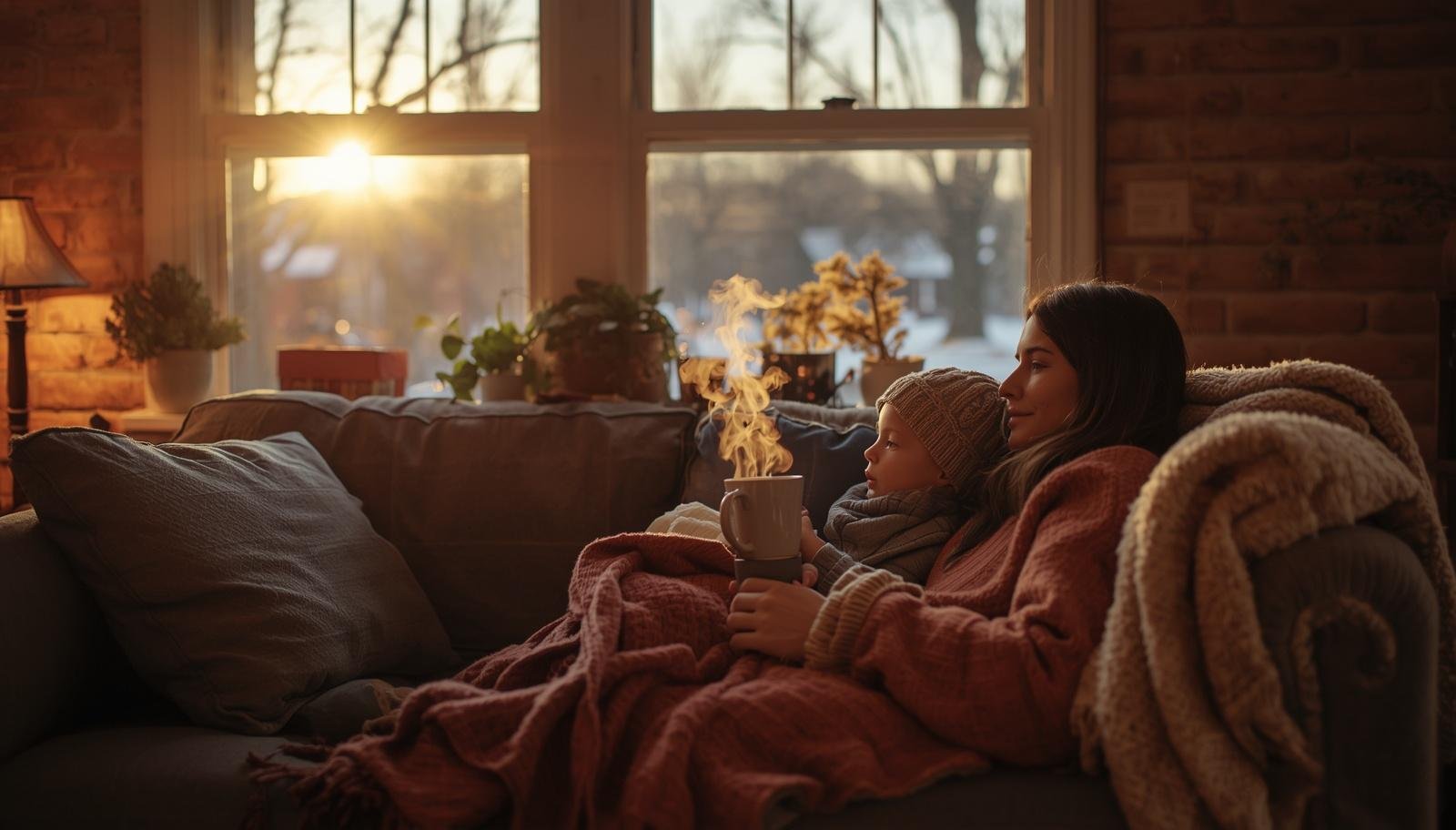
These smart winter energy-saving habits can help lower heating costs while keeping your home warm, cozy, and comfortable all season long.
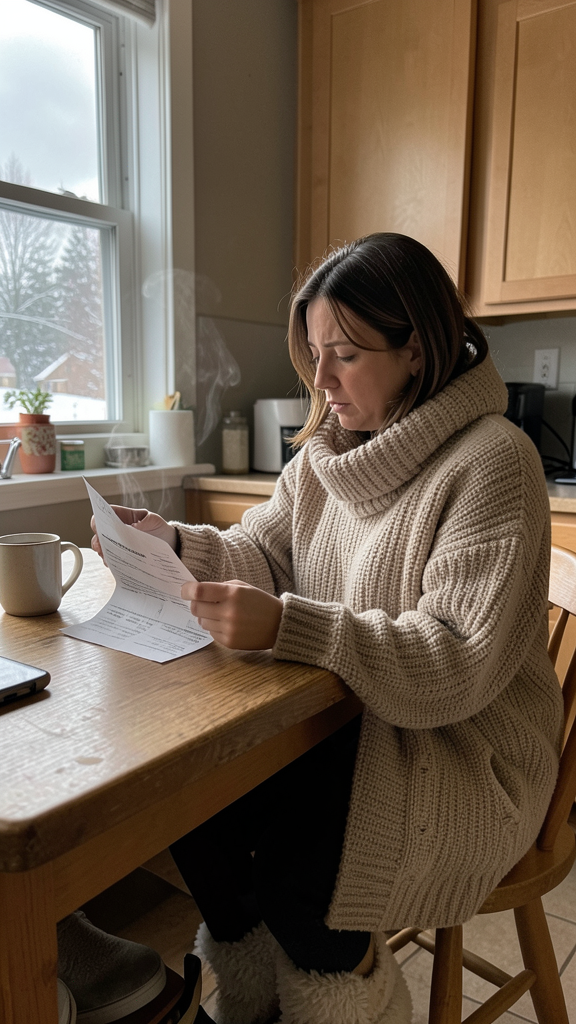
The thermostat kept creeping higher while everyone in the house still complained about being cold. Meanwhile, the heating bill sat on the kitchen counter looking personally offended by our existence. Winter has a funny way of making your home feel cozy and financially aggressive at the exact same time.
Most families hit this point every year. The blankets come out, the socks get thicker, and suddenly everyone starts treating the thermostat like a sacred object nobody is allowed to touch.
After enough winters spent arguing over heating costs while wearing three layers indoors, I finally realized small habits make a bigger difference than dramatic sacrifices. You do not need to freeze through winter to save money.
These 7 smart energy saving tips for winter to reduce heating costs helped our family lower energy use without turning the house into an indoor camping trip.
This sounds obvious until you realize half the house stays heated all day for absolutely no reason.
One winter, I noticed we were heating the guest room constantly even though the only thing spending time there was a laundry basket full of unmatched socks.
Heating unused rooms wastes energy quickly, especially in larger homes or apartments with poor insulation.
Now we naturally gather more in the living room during winter evenings, which honestly feels cozier anyway 🙂
Takeaway: Focus heating on the rooms your family actually uses daily.
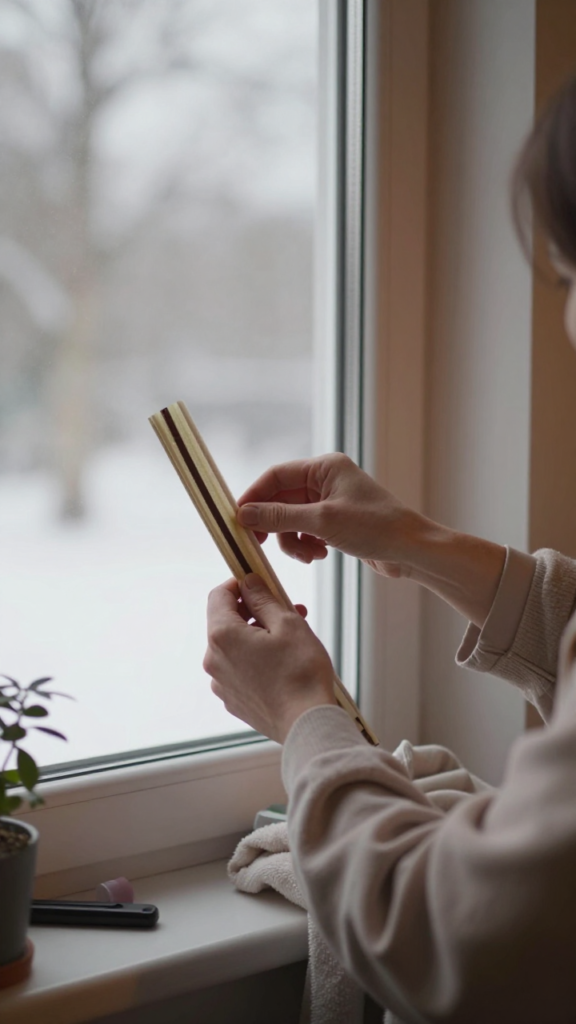
Cold air sneaks into homes in surprisingly rude ways.
One afternoon, I sat near our living room window and realized a steady cold breeze was hitting my ankle like nature personally wanted revenge.
You do not always need expensive renovations. Sometimes your house just needs fewer tiny air leaks making the heater work overtime.
FYI, drafty windows can make perfectly warm rooms feel freezing.
Takeaway: Sealing drafts helps your home stay warmer without constantly increasing the heat.
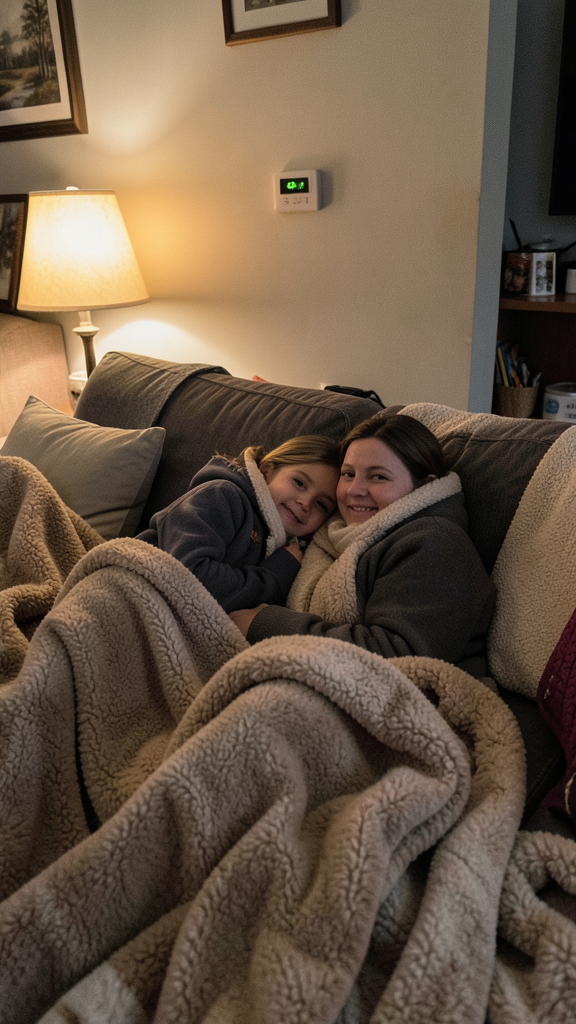
A lot of people crank the thermostat higher thinking it heats the house faster. Sadly, thermostats do not operate on panic energy.
Lowering the temperature slightly during sleeping hours or while nobody is home saves more money than most people expect.
We started lowering the thermostat by a few degrees overnight, and honestly nobody even noticed after the first couple nights.
Constantly adjusting the heat wastes energy because the system keeps working harder to catch up.
Takeaway: Small thermostat adjustments can reduce heating costs without sacrificing comfort.
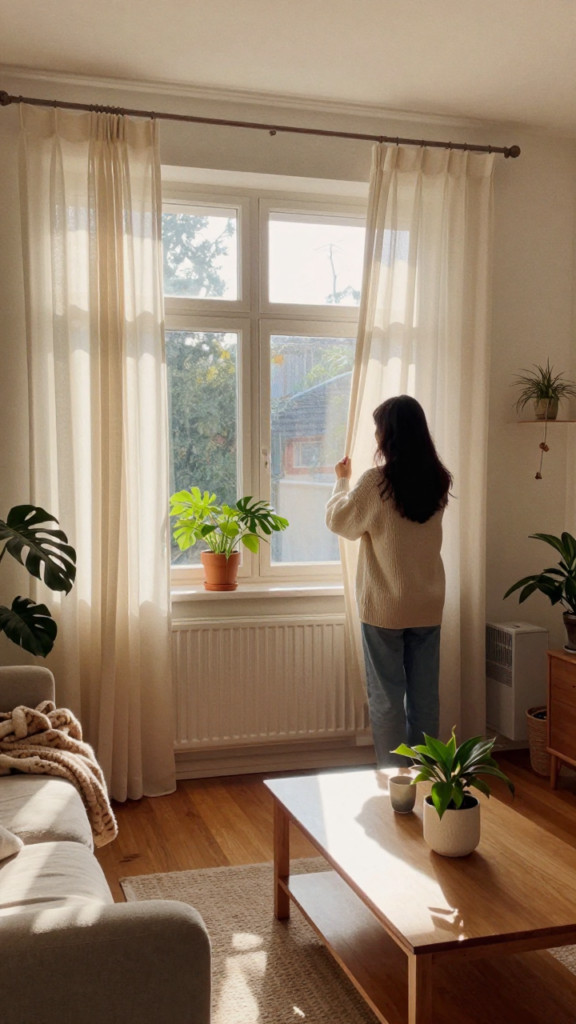
Winter sunlight feels illegal sometimes because it helps so much for free.
Opening curtains during sunny hours naturally warms parts of the house without touching the thermostat.
One sunny afternoon warmed our living room enough that the heater barely turned on for hours. Meanwhile, I used to keep curtains closed constantly because apparently I forgot the sun existed :/
Natural light also improves mood during darker winter months.
Takeaway: Sunlight provides free warmth that helps reduce heating system use during daytime hours.
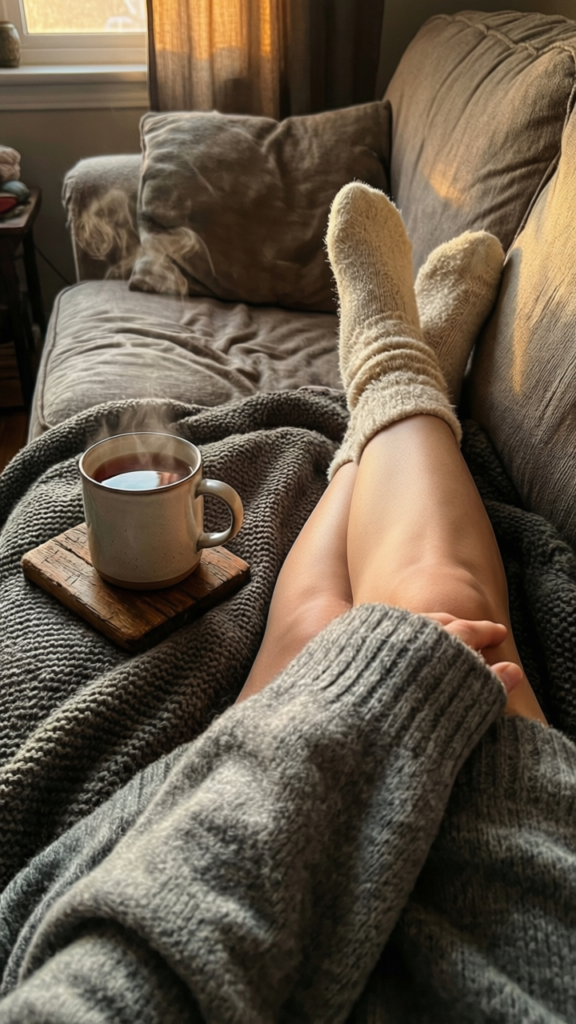
I resisted this advice for years because I wanted the house to feel warm enough for short sleeves in January. Very ambitious behavior.
Now our family leans into cozy winter layers instead.
When people feel warmer personally, the thermostat does not need constant adjustments.
My daughter practically lives inside fuzzy blankets all winter now, which honestly seems emotionally correct.
IMO, warm socks solve at least half of winter discomfort.
Takeaway: Dressing warmly indoors reduces the need to constantly increase heating temperatures.
Heating systems love breaking down during the coldest week possible. It feels intentional.
Regular maintenance keeps systems running more efficiently and prevents expensive surprises later.
We replaced a clogged filter last winter and immediately noticed the house warmed faster. Apparently the heater had been struggling quietly for weeks while we blamed the weather.
Efficient systems use less energy and last longer overall.
Takeaway: Basic heating system maintenance improves efficiency and lowers energy waste.
Tiny daily habits affect heating costs more than people realize.
At one point, my family kept leaving the back door open while bringing groceries inside, and the heater basically worked nonstop trying to recover from the chaos.
Hardwood and tile floors feel colder during winter, even when rooms stay heated properly.
Adding thicker rugs instantly made parts of our home feel warmer without changing the thermostat at all.
No single habit creates massive savings alone. Together, though, they noticeably reduce winter heating costs.
Takeaway: Everyday habits help prevent unnecessary heat loss throughout winter.
Winter energy costs increase because heating systems work harder and longer during colder months.
The problem gets worse when homes lose heat constantly through drafts, poor insulation, or inconsistent habits.
Once I started paying attention to those issues instead of automatically blaming the weather, our winter bills became far more manageable.
People often think saving energy means being uncomfortable. Usually it just means reducing waste.
A warm comfortable home and lower heating costs can absolutely exist together.
Some energy-saving habits cost almost nothing to start.
Those tiny changes already reduce unnecessary heating strain surprisingly fast.
You probably will not cut heating costs overnight dramatically. Small consistent habits matter more than extreme temporary changes.
Nobody enjoys living inside an icebox just to save money.
Winter heating costs can spiral quickly, especially when homes lose warmth faster than families realize.
These 7 smart energy saving tips for winter to reduce heating costs focus on realistic changes that actually fit everyday life. Not survival-level advice involving frozen toes and misery.
Start small first. Seal drafts. Lower the thermostat slightly overnight. Open curtains during sunny afternoons.
Most importantly, remember comfort matters too. A warm cozy home should still feel enjoyable during winter, even while you save money on heating bills.