Physical Address
304 North Cardinal St.
Dorchester Center, MA 02124
Physical Address
304 North Cardinal St.
Dorchester Center, MA 02124

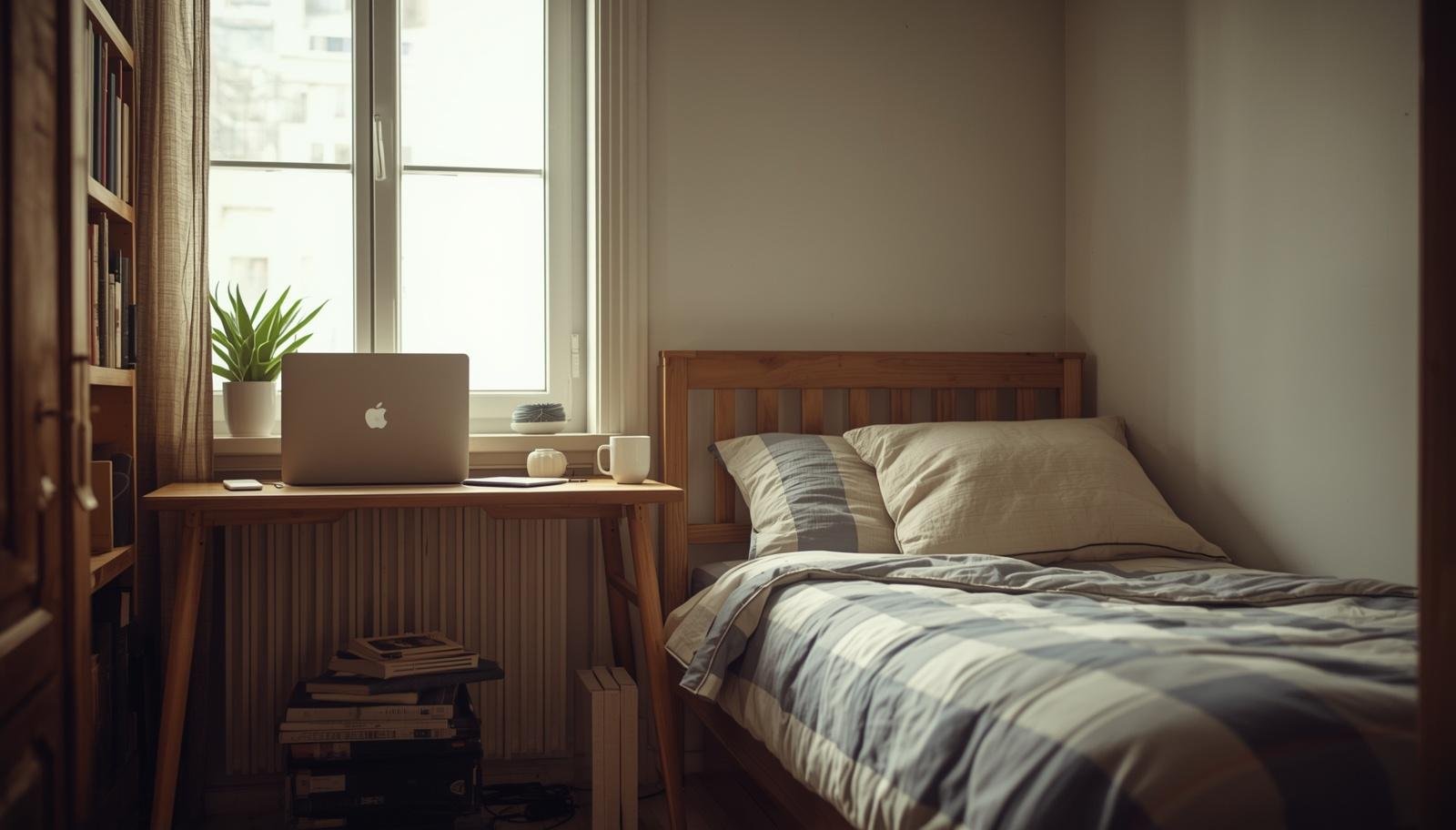
These smart small room layout ideas with desk and bed setups will help you create a more functional and comfortable space without making your bedroom feel overcrowded.
The desk chair kept bumping into the bed every single morning. I could either pull the chair out properly or open the closet door fully. Apparently my apartment believed in making me choose between productivity and pants.
Small rooms do that to people. One bad furniture decision and suddenly your bedroom feels like a storage unit with WiFi. I spent years trying to make tiny spaces work while balancing freelancing, parenting, and pretending I totally had my life organized. Spoiler alert. I did not.
After way too much trial and error, I finally figured out what actually helps. These small room layout ideas with desk and bed setups made my spaces feel functional without looking like a college dorm after finals week.
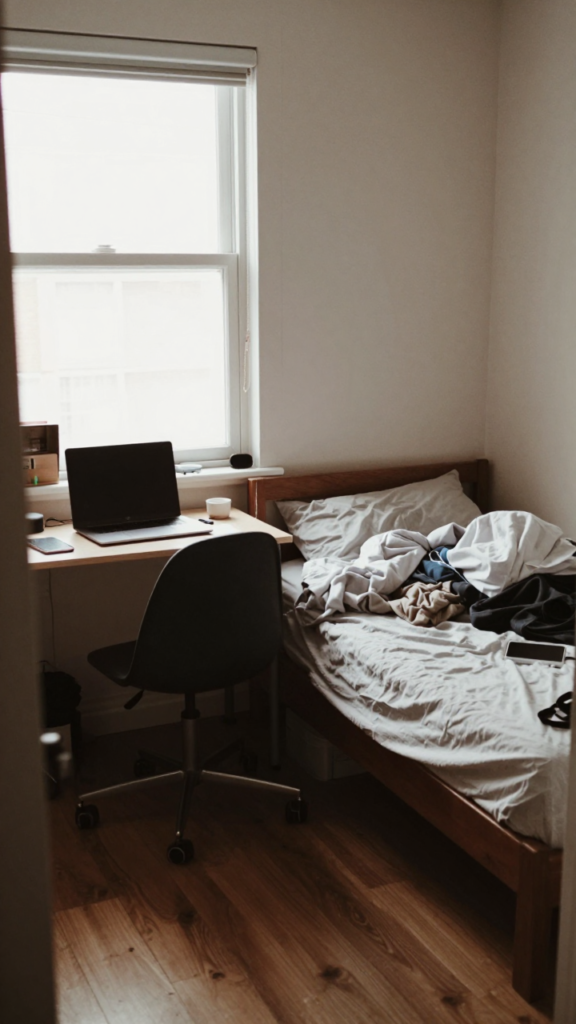
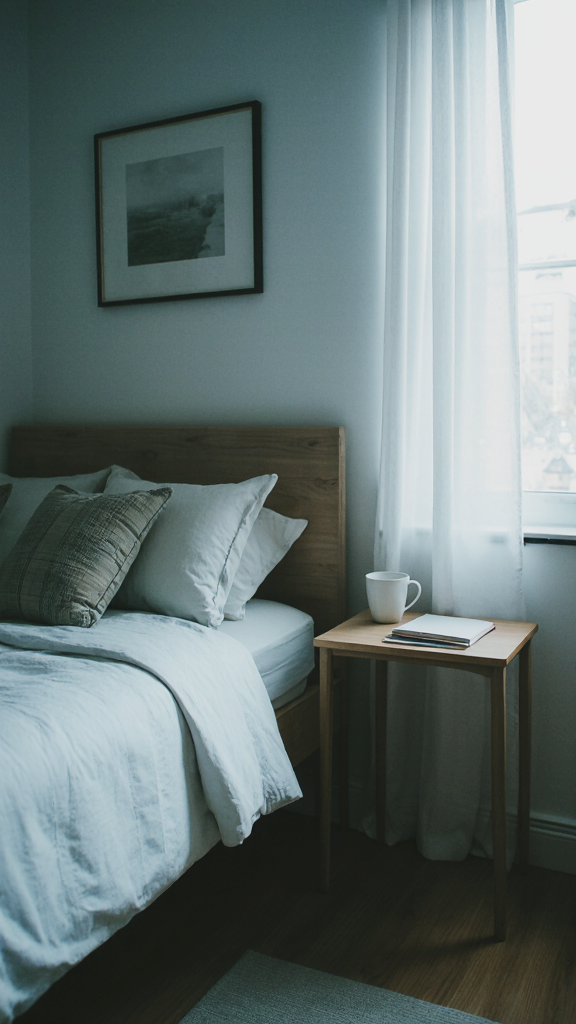
I used to force the desk onto the opposite wall because it sounded balanced in theory. In reality, it just chopped the room into awkward little sections.
Putting the desk directly beside the bed created one clean functional zone. The room instantly felt less crowded. Plus, I stopped tripping over chair legs during midnight snack missions 🙂
A slim desk works best here. Do not try squeezing in a giant executive setup unless you enjoy emotional suffering.
Takeaway: Placing the desk beside the bed creates a cleaner flow and saves valuable floor space.
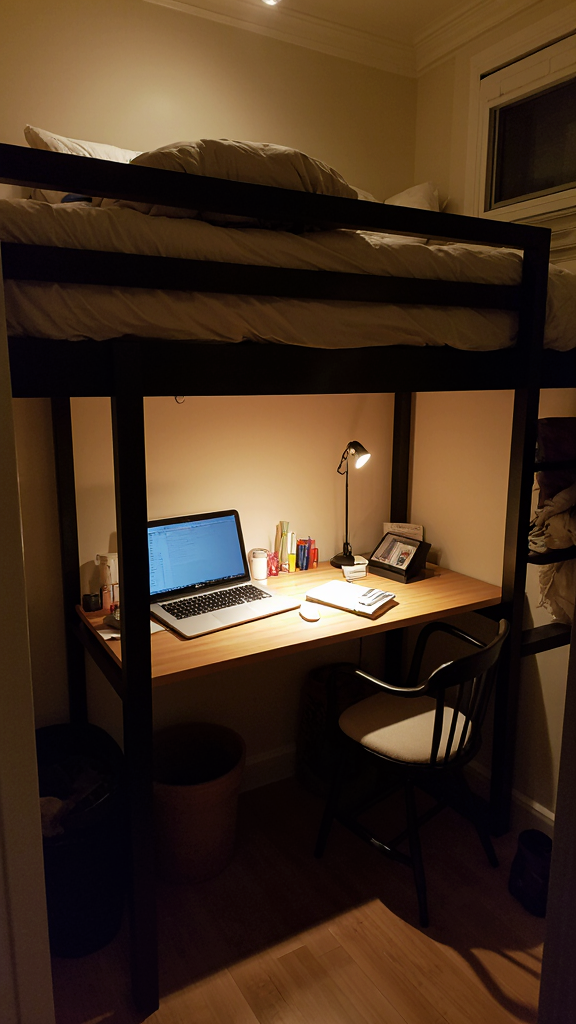
This setup honestly feels like cheating the system.
When my cousin moved into a tiny studio apartment, she added a loft bed with a workspace underneath. Suddenly she had room for work, sleep, and actual movement without shimmying sideways through the room like a crab.
Many loft beds already include compact desks.
The lower area can hold shelves, drawers, or rolling carts.
Vertical layouts maximize tiny rooms fast.
Just make sure you are comfortable climbing into bed every night. At my age, one awkward ladder climb after stepping on a toy dinosaur is enough adventure for the day.
Takeaway: Loft bed setups maximize vertical space and create separate zones in tiny rooms.
I ignored this advice for years because I thought centering the bed looked prettier. It did not. It looked cramped and mildly aggressive.
Once I pushed the bed against the longest wall, the room immediately opened up. There was finally enough space for a small desk without everything touching.
FYI, tiny rooms care more about function than symmetry. Pinterest can fight me on that.
Takeaway: Positioning the bed against the longest wall improves room flow and frees up usable space.
Corners often become dead zones filled with random junk and abandoned laundry piles. Ask me how I know.
A corner desk turns wasted space into a practical work area. I added one in our guest room, and suddenly the entire room felt more intentional instead of looking like furniture wandered in accidentally.
Corners naturally fit compact desks without blocking movement.
L-shaped styles provide extra workspace without needing huge furniture.
The room feels more open when furniture hugs the walls.
Small rooms reward strategic corners. Weird sentence, but true.
Takeaway: Corner desks use overlooked space efficiently while keeping small rooms organized.
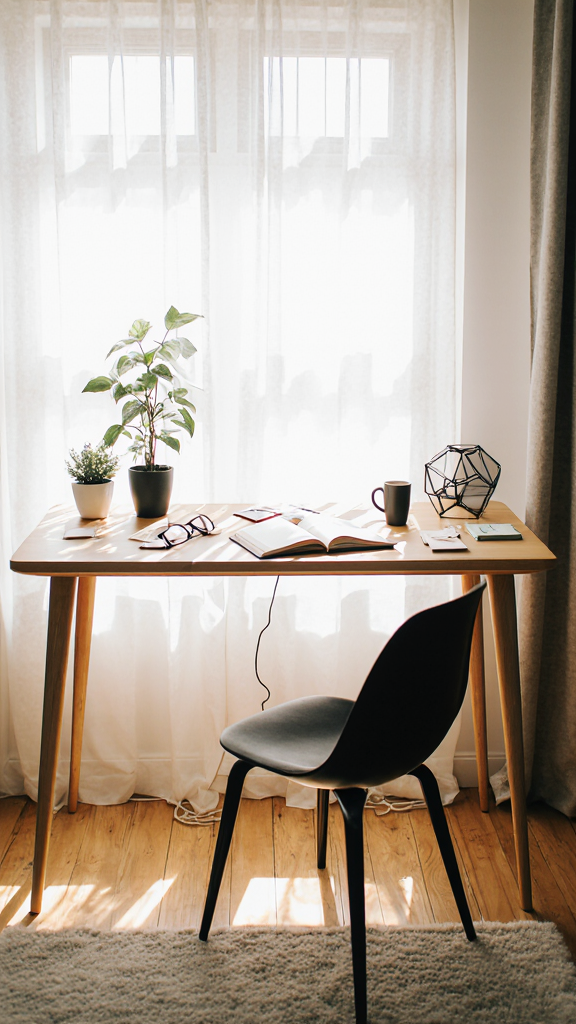
Floating desks saved me during my work-from-home era when every room in the apartment already had too many responsibilities.
Unlike bulky desks, floating versions keep the floor visible underneath. That tiny visual trick makes rooms feel larger instantly.
My daughter once called my floating desk setup cute. That is basically an interior design award in parent terms.
Takeaway: Floating desks reduce visual heaviness and help small bedrooms feel more spacious.
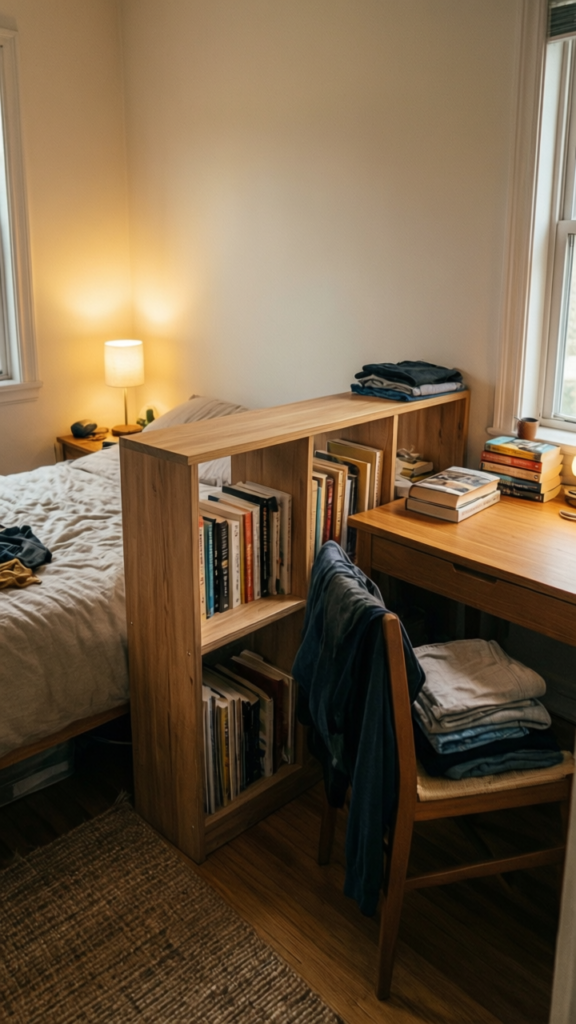
Sometimes you need a little mental separation between work and sleep. Otherwise your brain starts associating bedtime with spreadsheets and unanswered emails. Horrifying concept.
A small bookshelf or storage cube between the desk and bed creates a subtle divider without closing off the room.
They separate spaces while still allowing light through.
These double as extra storage and visual barriers.
Flexible and easy to move around when needed.
IMO, even tiny visual boundaries help work-life balance feel slightly less chaotic.
Takeaway: Small divider furniture creates separate zones without making the room feel cramped.
I once worked at a desk shoved into a dark corner beside the laundry hamper. My motivation levels matched the lighting situation exactly.
Moving the desk near a window changed the entire mood of the room. Natural light makes small spaces feel larger, cleaner, and less emotionally exhausting.
Also, staring outside for five seconds between tasks somehow feels productive even when you are clearly just judging your neighbor’s gardening choices :/
Takeaway: Natural light improves productivity and helps compact rooms feel brighter and bigger.
Small rooms demand furniture that multitasks harder than most parents.
My current setup includes a bed with storage drawers underneath and a desk with built-in shelving. Every piece earns its spot. Decorative furniture that serves one purpose alone feels suspicious now.
Perfect for clothes, bedding, or office supplies.
They disappear when not in use.
Extra seating plus hidden organization.
Flexible surfaces without permanent bulk.
The less furniture crowding the room, the easier it feels to breathe and focus.
Takeaway: Multi functional furniture helps small rooms stay practical without sacrificing comfort.
Some layout mistakes make tiny spaces feel even smaller. I made nearly all of them personally, so consider this public service material.
This often creates awkward empty space in the middle while making edges feel crowded.
Huge beds and giant desks overpower compact rooms fast.
Walls exist for a reason. Use them.
Tiny rooms get visually cluttered very quickly.
A small room does not need more stuff. It needs smarter placement.
Honestly, I have seen tiny bedrooms feel calmer and more functional than giant rooms packed with unnecessary furniture.
The best small room layout ideas with desk and bed setups focus on flow, storage, and usability. Fancy design trends matter less than whether you can comfortably move through the room without bruising your shin on furniture corners.
Once I stopped trying to copy huge influencer bedrooms and started designing around real daily life, everything improved. I worked better. Slept better. Felt less annoyed walking into the room every morning.
That matters more than perfect aesthetics.
Small spaces can absolutely work well with the right layout choices. You do not need a massive bedroom to create a functional setup for both work and rest.
Start with one improvement. Move the desk closer to the window. Try floating shelves. Rearrange the bed placement before buying new furniture. Small adjustments often create the biggest difference.
At the end of the day, your room should support your actual life instead of forcing you into daily obstacle courses around your own furniture. Honestly, surviving tiny-space living already deserves enough credit.