Physical Address
304 North Cardinal St.
Dorchester Center, MA 02124
Physical Address
304 North Cardinal St.
Dorchester Center, MA 02124

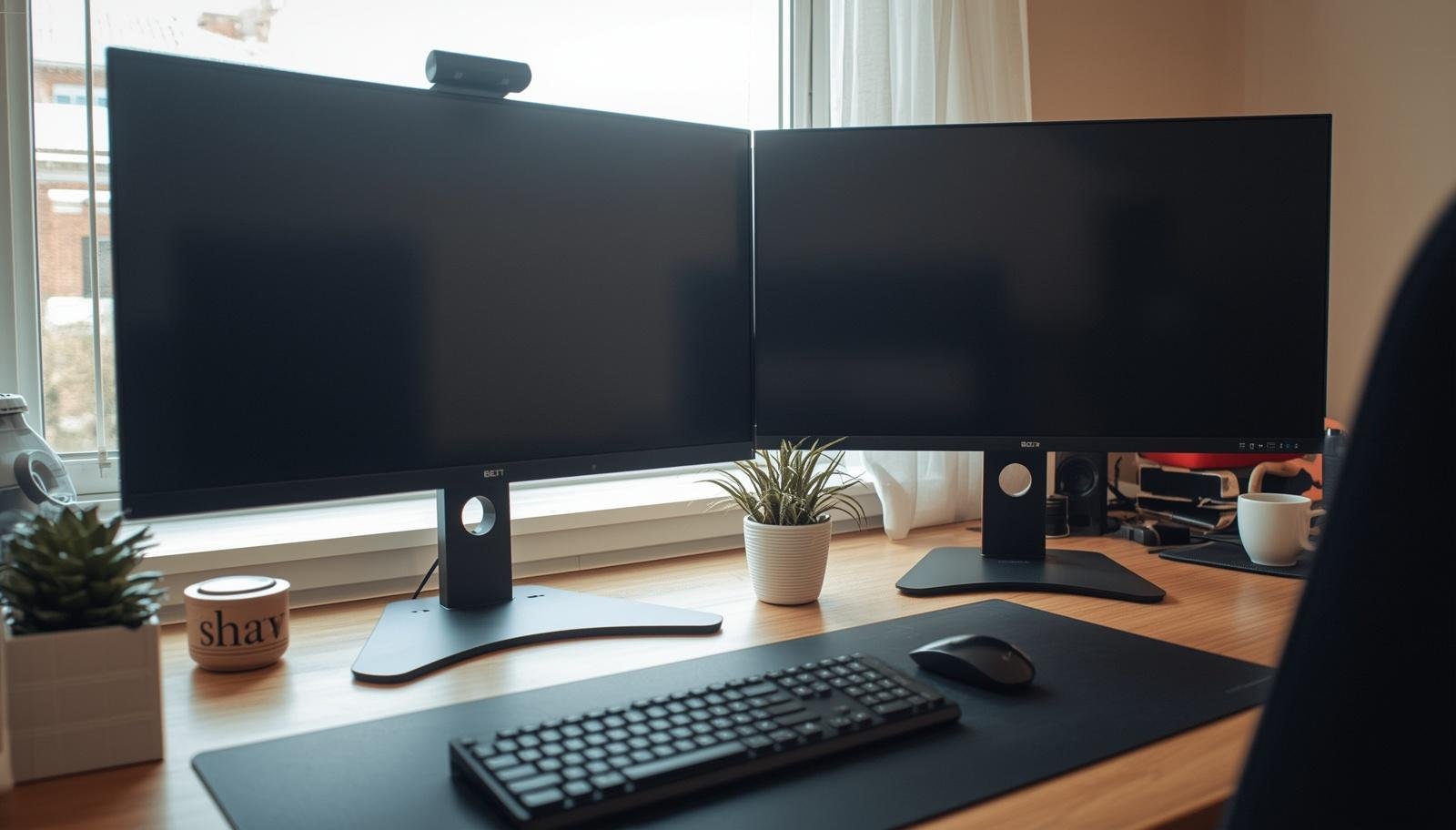
A practical, real-life guide to setting up a productive double monitor home office that actually improves focus instead of creating more digital chaos.
The cursor keeps jumping between tabs, your neck feels weirdly stiff, and somehow both screens are open but neither is helping. One has email. The other has ten tabs you forgot about. And you are still not getting things done.
That was my reality when I first switched to a double monitor setup. I thought adding another screen would magically fix my workflow. Turns out, more screens just gave me more ways to feel overwhelmed.
If you are setting up or remodeling your workspace, these 7 best practices for a productive double monitor setup home office will save you from that exact mess.
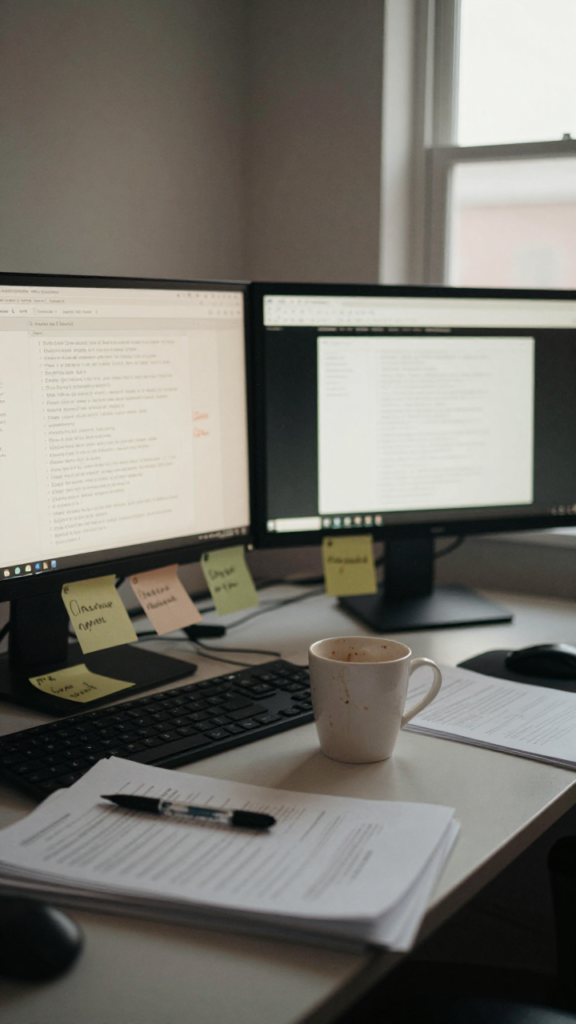
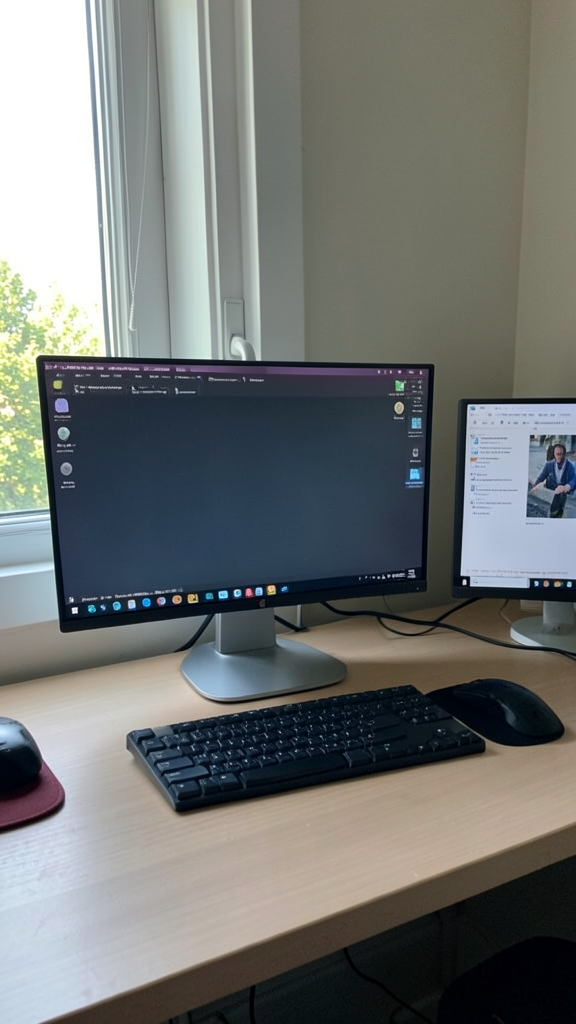
I made this mistake early. I placed both monitors side by side like twins. It looked balanced, but my neck disagreed.
Now I use one primary screen and one support screen.
If you split focus evenly, you will constantly shift your posture. That adds strain fast.
Takeaway: One screen leads, the other supports. Your body will thank you.
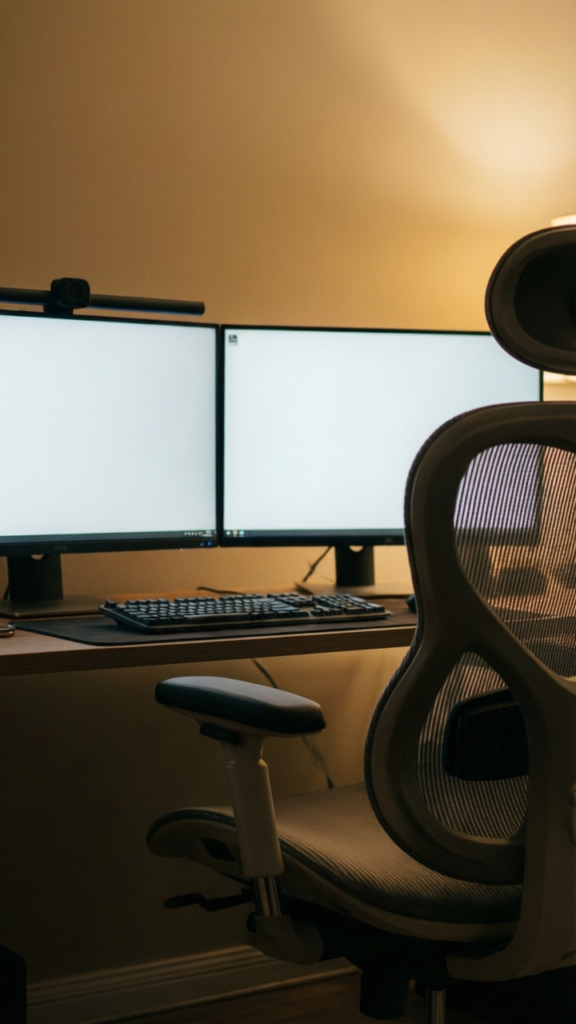
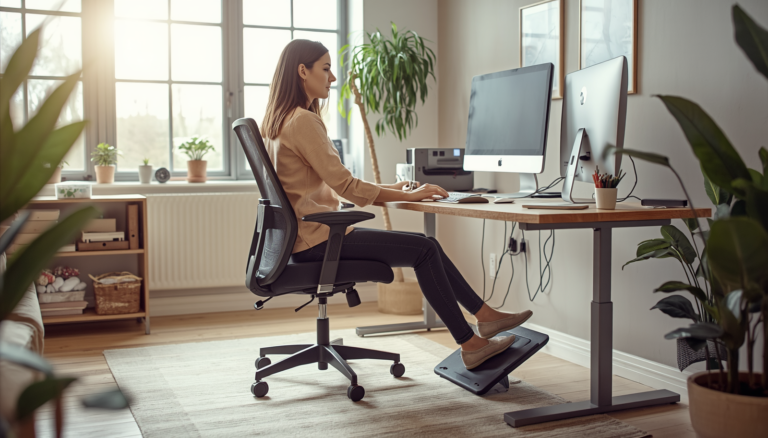
Nothing ruins productivity like physical discomfort. I ignored this until I started rubbing my neck every afternoon.
Here is what actually works:
You should not look down or twist too much. Small adjustments matter more than fancy gear.
Takeaway: Comfort is not optional. It is the foundation of a productive setup.
At one point, I had email, Slack, Pinterest, and random docs open across both screens. It felt busy, not productive.
Now I assign roles:
This sounds simple, but it changed everything for me.
Takeaway: Give each screen a job or they will both become distractions.
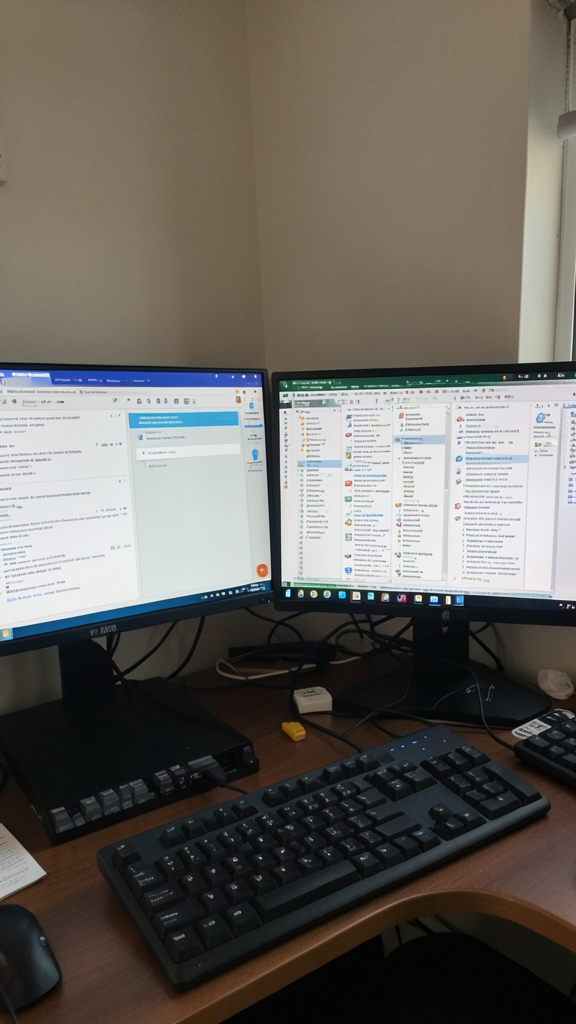
Two monitors can turn into two clutter zones real fast. Ask me how I know 🙂
I started using simple window rules:
It takes a few extra seconds, but it saves mental energy later.
Takeaway: Organized screens lead to organized thinking.
I focused so much on screens that I ignored everything else. My keyboard was too far, my mouse felt cramped, and cables were everywhere.
Fix the whole setup:
Your double monitor setup should feel integrated, not awkward.
Takeaway: A productive double monitor setup home office depends on the full desk layout, not just screens.
I used to keep both monitors on full brightness because I thought brighter meant better. Wrong.
Now I adjust based on the room:
Your eyes will feel less tired, and you will last longer without burnout.
Takeaway: Small display tweaks can prevent big fatigue.
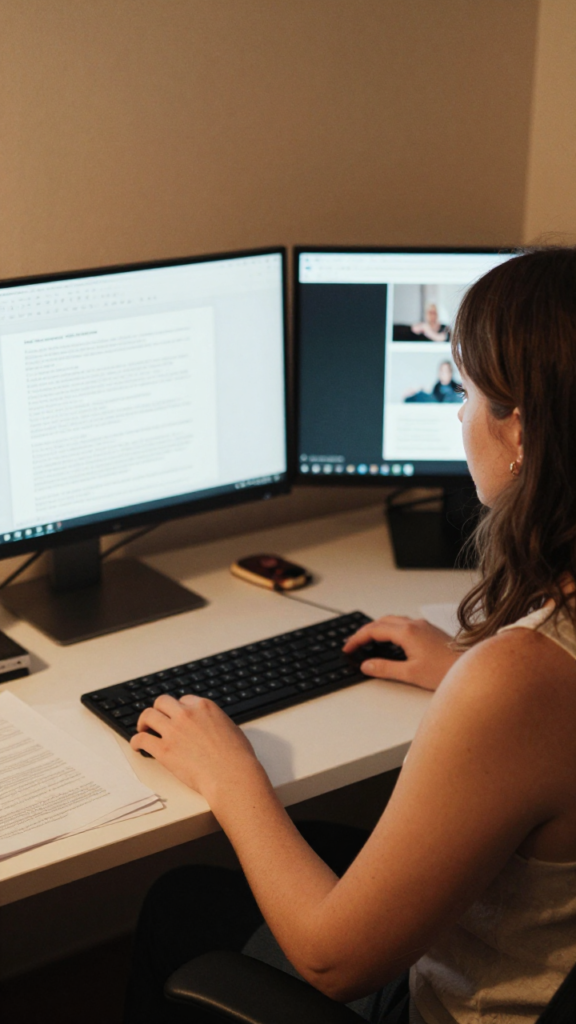
This is where most people get stuck. They set up two monitors and expect instant productivity.
IMO, the real change comes from how you use them.
Here is what works for me:
Once you build habits around your setup, everything flows better.
Takeaway: Your workflow makes the setup powerful, not the other way around.
Before you feel too confident, let me call out a few things that quietly mess everything up.
I have done all of these. None of them helped, obviously :/
Takeaway: Avoiding small mistakes keeps your setup working long term.
Once I fixed my double monitor setup home office, my days felt different. Not perfect, but smoother.
I stopped constantly switching tabs. I stayed focused longer. I even ended my workday with less frustration, which matters more than people admit.
And as a mom, that shift matters. When I finish work without mental clutter, I show up better for my family too.
Takeaway: A better setup does not just improve work. It improves how you feel after work.
A double monitor setup sounds like a productivity hack, but it is really a tool. If you set it up poorly, it adds stress. If you set it up well, it removes friction.
These best practices for a productive double monitor setup home office are not complicated. They are just intentional. Small changes, done right, add up fast.
So adjust your screens. Clean your layout. Build smarter habits.
Because working smarter is not about having more screens. It is about finally using them well 🙂