Physical Address
304 North Cardinal St.
Dorchester Center, MA 02124
Physical Address
304 North Cardinal St.
Dorchester Center, MA 02124

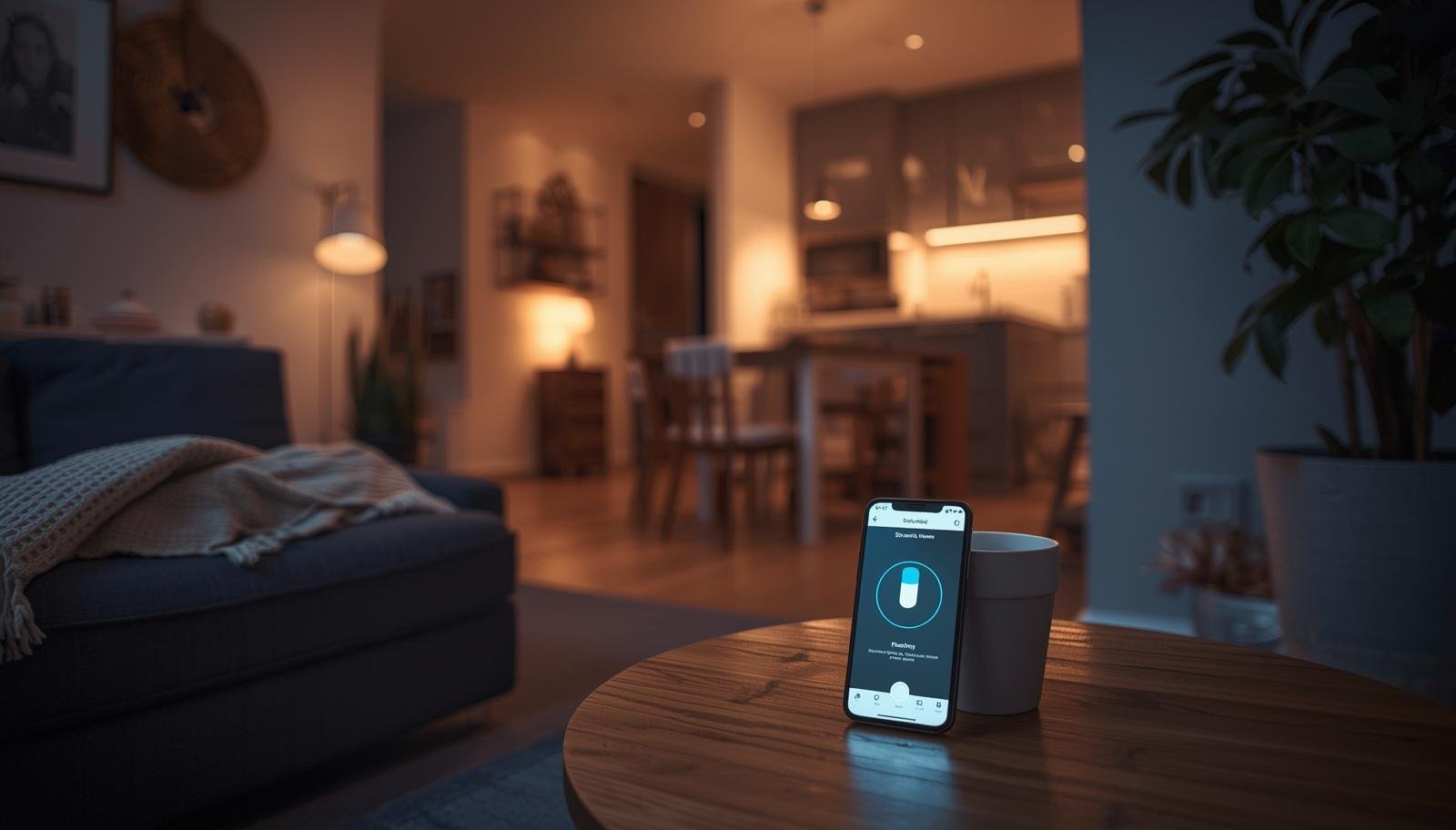
A beginner-friendly, real-life guide to building a smart apartment that actually makes your daily routine easier without wasting money on gadgets you will never use.
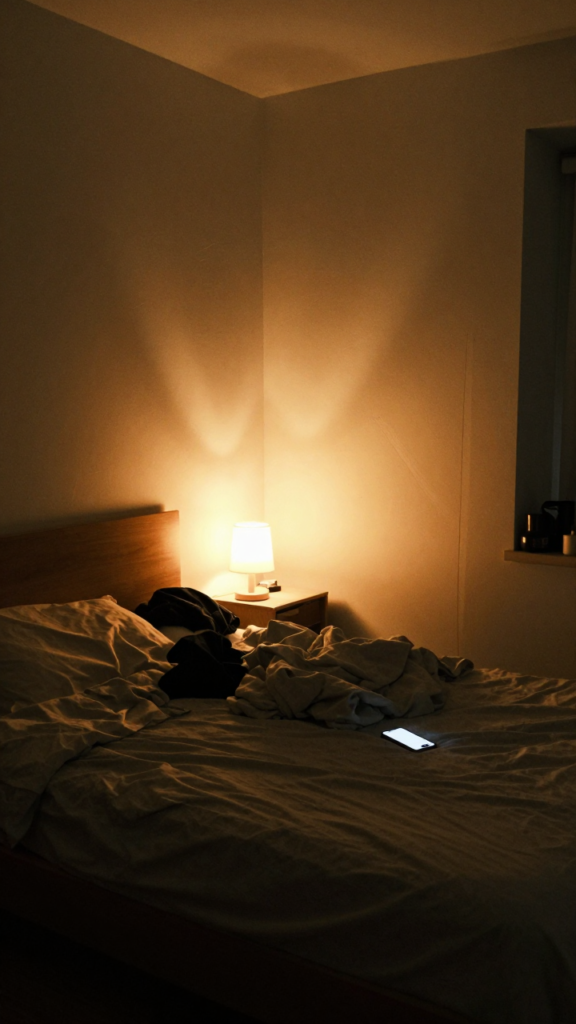
The lights stayed on all night again. Not because I wanted some cozy glow, but because I forgot to turn them off… again. My phone sat right next to me, fully capable of controlling everything, yet I still dragged myself out of bed at 2 a.m. to fix it. That was the moment it hit me. If I was going to live in a small apartment with big-city chaos, I needed my space to work smarter than I did.
So I started small. Made mistakes. Bought the wrong gadgets. Returned half of them. And slowly, I figured out what actually works when you are just getting into home automation.
If you are new here, these 7 smart home setup tips for beginners to automate your apartment will save you time, money, and a bit of sanity.
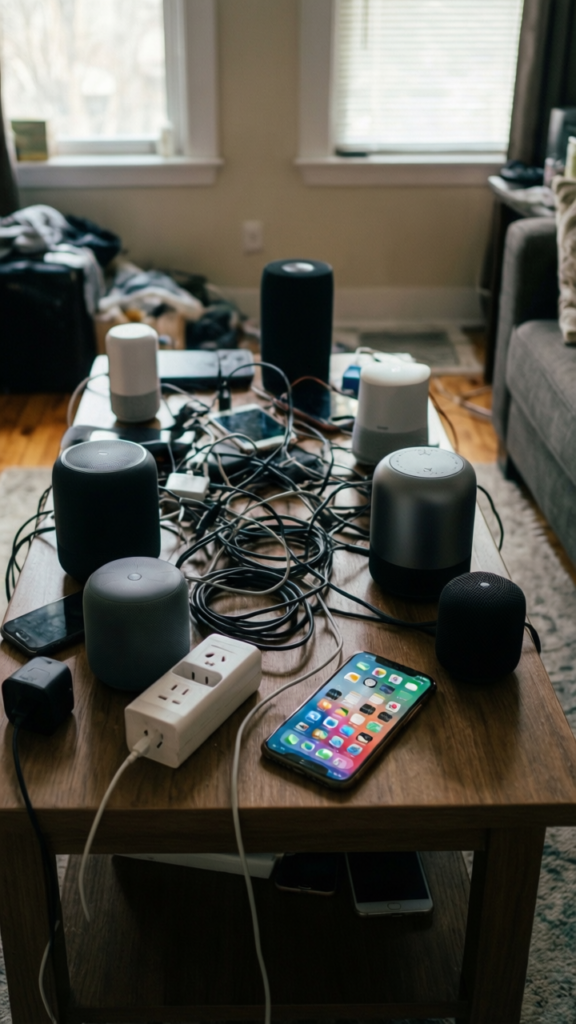
When I first dipped my toes into smart home tech, I mixed everything. Different brands, different apps, zero harmony. It felt like managing five remote controls for one TV.
Pick one main ecosystem and stick to it.
Each has its strengths, but the key is consistency. Devices talk better when they belong to the same family.
Takeaway: Choose one platform first. Expanding later is easier than fixing chaos.
It is tempting to buy smart curtains, robot vacuums, and voice-controlled coffee machines right away. I did that. My wallet still remembers.
Start with simple, high-impact devices.
These give you immediate control and automation without overwhelming you. Plus, they are cheaper and easier to set up.
Takeaway: Master the basics before chasing the cool gadgets.
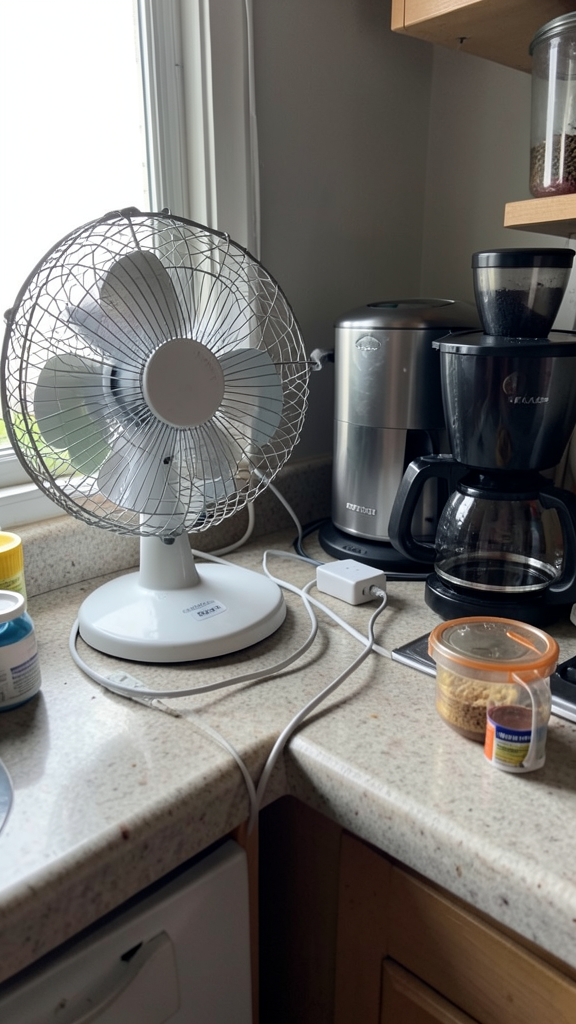
Smart plugs are the most underrated tool in any smart apartment setup. Seriously.
I turned my old, boring fan into a scheduled cooling system. My coffee maker now starts before I even open my eyes. Lazy or efficient? You decide 🙂
They work with almost anything that has a simple on and off switch.
Takeaway: Smart plugs turn dumb devices into smart ones instantly.
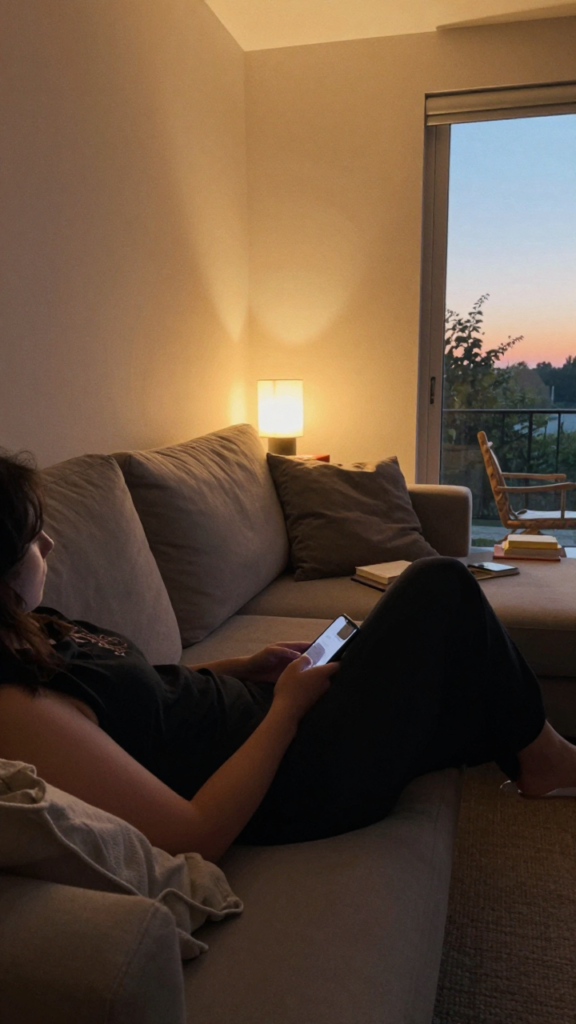
At first, I tried to build complicated routines. Lights syncing with weather, music adjusting to mood, all that nonsense. It failed. Hard.
Start with small, reliable automations.
Keep it simple so you actually use it.
Takeaway: Basic automations that work beat complex ones that break.
Voice assistants sound exciting until you realize you still have to repeat yourself three times.
Focus on automation first, then add voice control as a bonus.
Why? Because true smart living means things happen without asking.
But do not rely on it for everything. It is a helper, not the boss.
Takeaway: Automation should do the work. Voice control is just a backup.

Nobody tells you this at the start. Weak WiFi ruins everything.
My bedroom lights lagged for weeks before I realized the signal barely reached that corner. Not the bulbs’ fault. Mine.
Smart homes depend on stable connections. No WiFi, no magic.
Takeaway: Strong WiFi is the backbone of your smart apartment.
It is easy to get carried away. A color-changing bulb sounds fun until you realize you only use warm white every day.
I learned to ask one question before buying anything. Will this actually make my life easier?
If the answer is no, skip it. Your apartment should feel simpler, not like a tech showroom.
Takeaway: Buy for convenience, not for show.
Setting up a smart home in an apartment is not about turning your place into a sci-fi movie set. It is about removing tiny daily annoyances that quietly drain your energy.
Start small. Stay consistent. Fix what actually bothers you.
The funny thing is, once your lights turn off on their own, your coffee starts itself, and your fan knows when you are too hot, you stop thinking about the tech entirely. It just blends into your routine.
And that is the real goal.
Final thought: A smart home is not about control. It is about freedom from the little things you should not have to think about anymore.