Physical Address
304 North Cardinal St.
Dorchester Center, MA 02124
Physical Address
304 North Cardinal St.
Dorchester Center, MA 02124

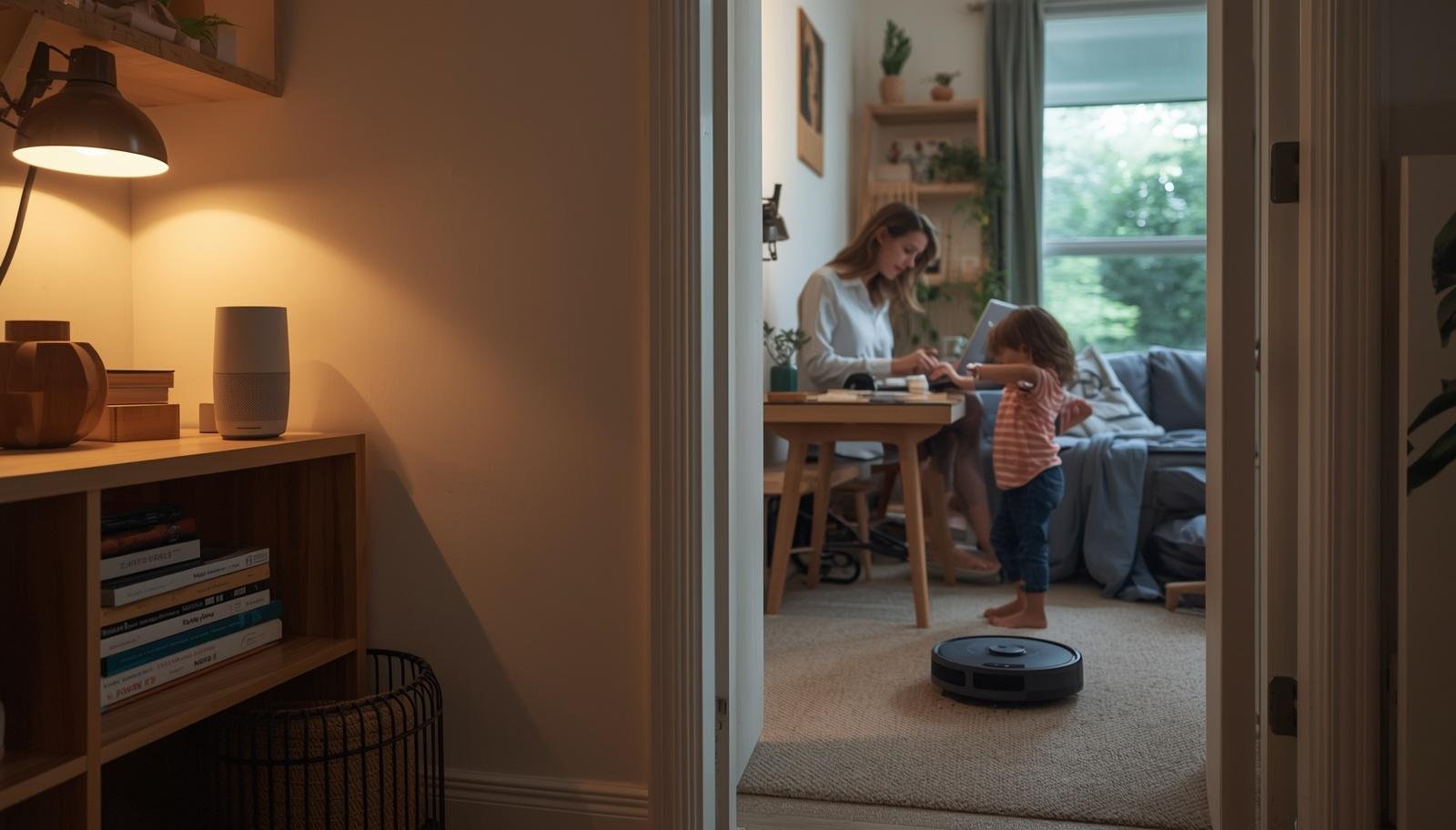
These beginner-friendly home automation system ideas make everyday life easier with smart upgrades that actually save time, reduce stress, and fit naturally into real homes.
The lights were still on downstairs at midnight. Again. I was already in bed, exhausted, and seriously debating whether getting up was worth it. Somehow the couch felt ten miles away. Lazy? Maybe. But that tiny moment made me finally understand why people get obsessed with smart home gadgets 🙂
Home automation used to sound overly complicated to me. Like something built for tech bros with six monitors and LED strips everywhere. Turns out most beginner-friendly smart home setups are surprisingly simple and genuinely useful.
You do not need a futuristic mansion or a massive budget to start. A few smart upgrades can make daily life smoother, especially when you work from home, juggle family life, or just want your apartment to stop feeling stuck in 2012.
Here are the best home automation system ideas for beginners that actually improve your home without turning setup into a part-time job.

The best smart home setups solve annoying little problems you deal with daily.
Things like:
Most people imagine complicated voice commands and expensive systems. Honestly, beginner home automation can start with one smart bulb and a decent app.
Once I realized I could automate repetitive tasks, I got weirdly attached to it. There is something deeply satisfying about lights turning off automatically while you crawl into bed.
The goal of a smart home is not showing off technology. It is making daily life feel easier and less chaotic.
Smart lighting is usually the easiest entry point into home automation systems for beginners.
You replace regular bulbs with smart bulbs or install smart switches. Then you control them through your phone, voice assistant, or automated routines.
Smart lights can:
I originally bought smart bulbs because I hated walking through a dark apartment carrying groceries and a half-asleep child. Not exactly glamorous.
Now I use lighting schedules daily without even thinking about it.
Start with:
Do not automate every bulb immediately unless you enjoy confusing yourself and your WiFi network FYI.
Takeaway: Smart lighting offers the biggest beginner-friendly impact with minimal setup stress.
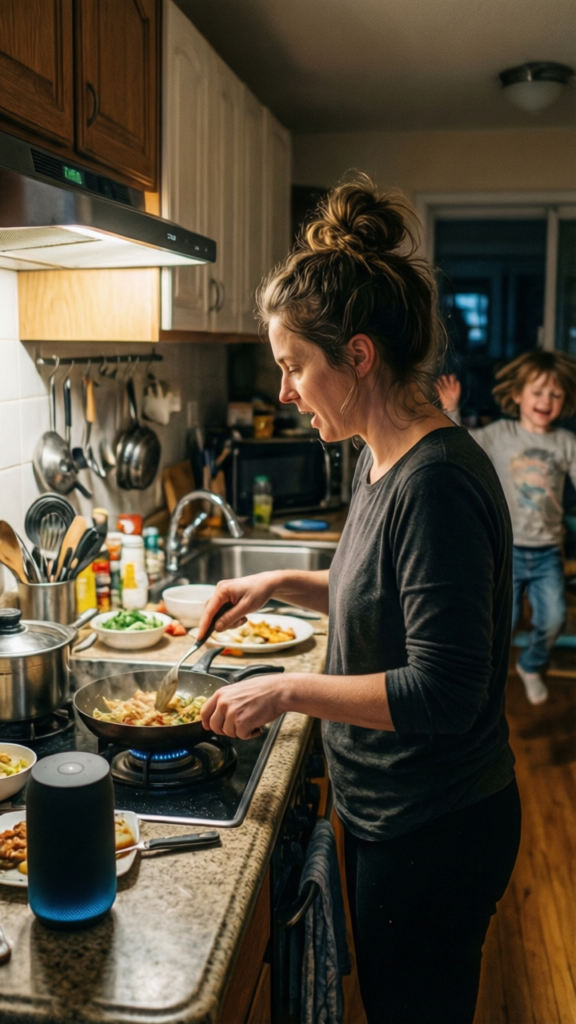
I resisted smart speakers for years because talking to devices felt awkward. Then I started using one while cooking dinner with messy hands and suddenly understood the appeal.
A smart speaker acts as the control center for many home automation systems.
You can use it to:
The setup is simple and the learning curve feels manageable.
You do not need advanced tech knowledge. If you can use a phone app, you can probably manage a smart speaker.
My daughter also discovered she could ask for dance music instantly, which was adorable for the first forty-seven times.
Takeaway: Smart speakers help connect multiple devices into one simple home automation system.
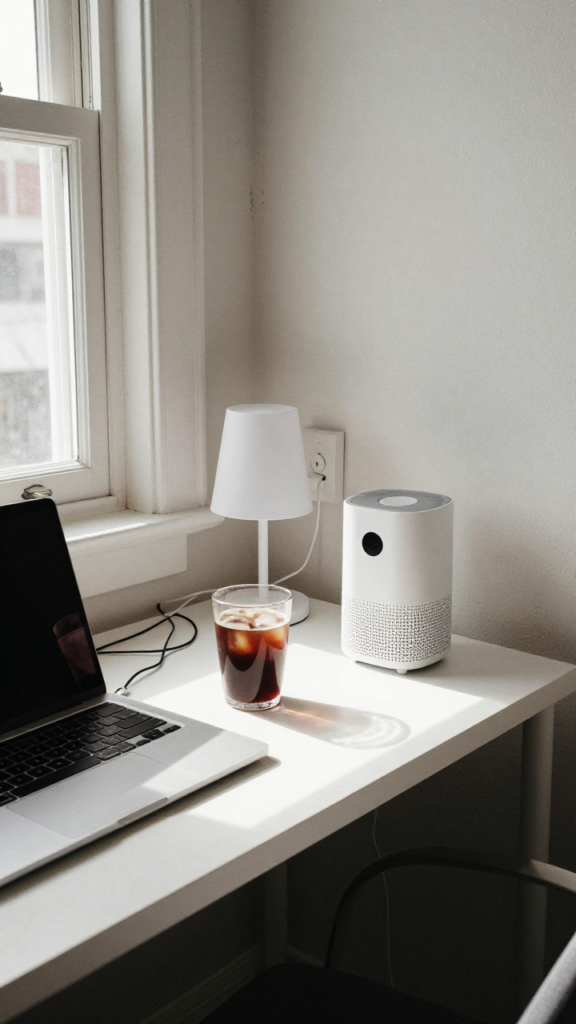
Smart plugs are the sneaky heroes of beginner smart homes.
You plug them into regular outlets, then connect normal devices like lamps, coffee makers, or fans.
Suddenly those basic appliances become automated.
Use smart plugs for:
One of my favorite setups turns on my desk lamp and air purifier automatically every weekday morning before work. Tiny detail, huge mood improvement :/
Takeaway: Smart plugs let beginners experiment with home automation without spending a fortune.
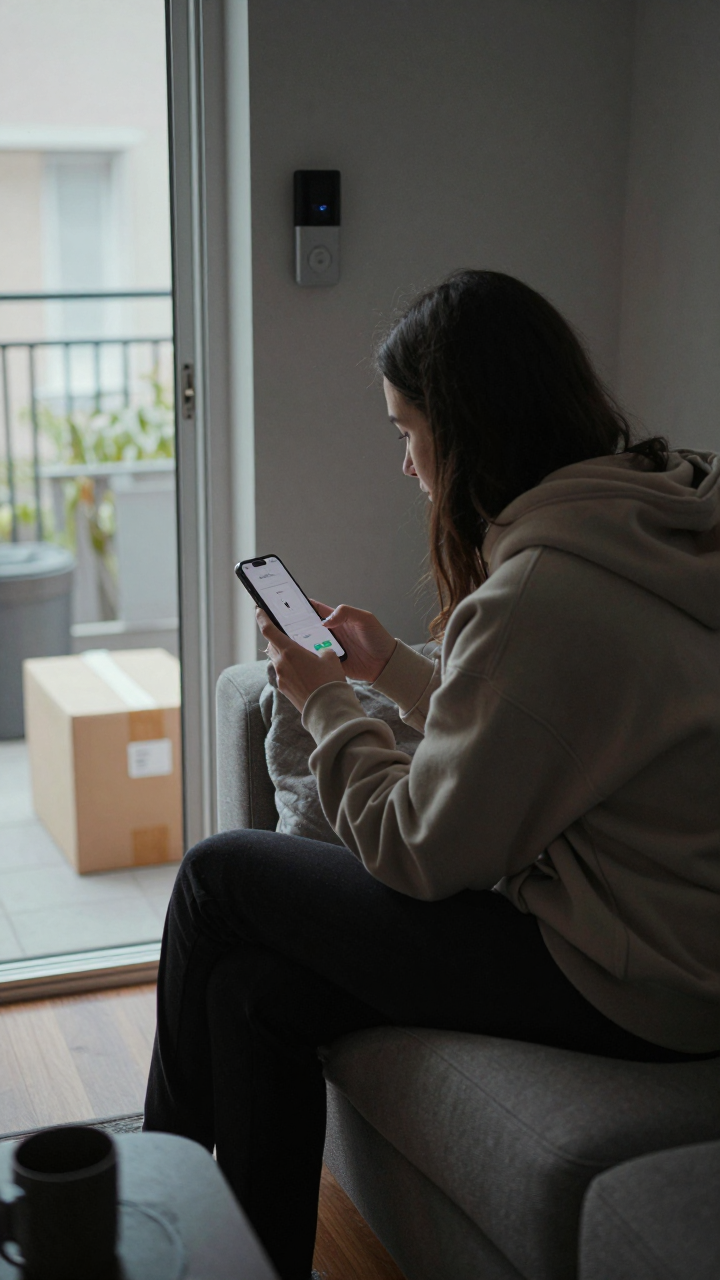
Video doorbells sounded unnecessary until I missed three package deliveries in one week.
Now I check deliveries from my phone instead of awkwardly peeking through blinds like a suspicious neighbor.
Video doorbells help you:
If you live in an apartment, check:
Battery-powered versions usually work best for renters.
Takeaway: Smart security devices provide convenience and peace of mind without requiring a full security system.
I underestimated how much energy gets wasted from constantly adjusting temperatures manually.
Smart thermostats learn your routines and adjust automatically based on your schedule.
That means:
Coming home to the right temperature feels oddly luxurious after a long day.
You also stop arguing over thermostat settings quite as much. Or at least slightly less.
Look for features like:
Takeaway: Smart thermostats automate comfort while reducing wasted energy.
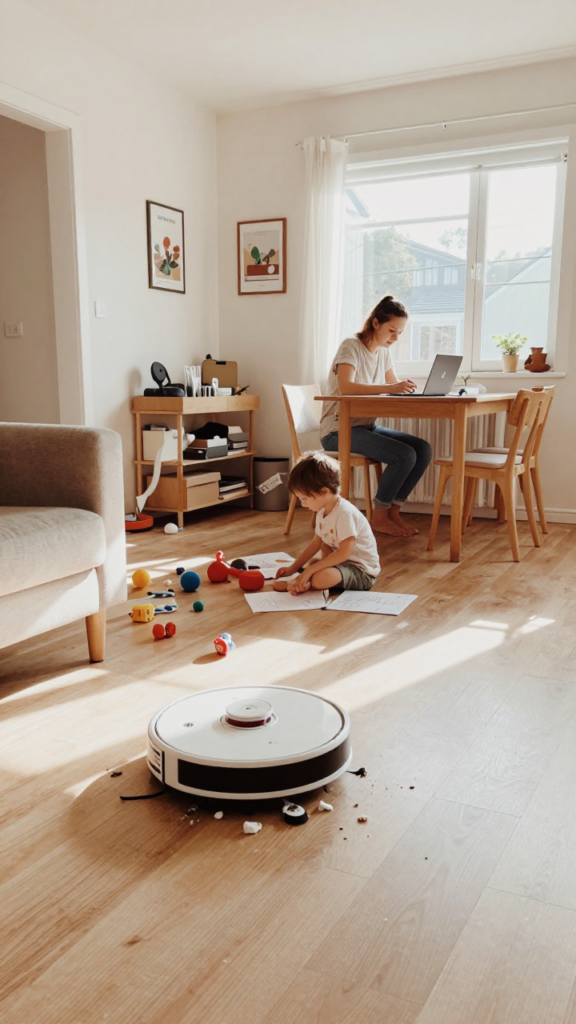
Nothing humbles you faster than watching a robot vacuum find crumbs you thought you cleaned already.
Robot vacuums are genuinely helpful for busy people, pet owners, and parents. Especially parents.
My floor somehow collects crumbs within minutes after cleaning. It feels personal at this point.
Most smart robot vacuums can:
They work especially well for:
Do they replace deep cleaning completely? Absolutely not. But they reduce daily mess enough to keep your sanity intact.
Takeaway: Smart cleaning devices help busy households maintain cleaner spaces with less effort.
This is where home automation systems start feeling genuinely impressive.
Instead of controlling devices individually, routines automate multiple actions together.
For example, a bedtime routine could:
A morning routine might:
Individual gadgets are useful. Automation routines are what actually make the home feel smarter.
Once routines handle repetitive tasks automatically, you notice how many tiny decisions disappear from your day.
Honestly, reducing decision fatigue as a parent and freelancer feels priceless sometimes.
Takeaway: Smart home routines create the biggest lifestyle improvement because they automate entire habits, not just devices.
A lot of people accidentally make smart homes more frustrating instead of easier.
Here are the biggest mistakes I see constantly.
Start small first.
Learning one system at a time prevents app overload and compatibility headaches.
Not all smart devices work together smoothly.
Before buying anything, check compatibility with:
Mixing random ecosystems carelessly gets annoying fast.
You do not need twenty-seven routines immediately.
Simple automations work best at first.
Weak internet ruins smart home reliability.
If devices constantly disconnect, your setup becomes more stressful than helpful.
You do not need thousands of dollars to create a useful beginner home automation system.
Start with one category:
Then expand slowly based on what actually improves your routine.
I made the mistake of buying trendy gadgets before understanding how I lived daily. Half of them became expensive clutter sitting in drawers.
Now I focus on devices that solve real problems first.
The best home automation systems support your habits naturally instead of forcing you to adapt to technology.
Home automation sounds intimidating until you realize most beginner setups revolve around solving tiny everyday annoyances.
Turning off lights remotely. Automating coffee. Managing routines. Keeping the house calmer during busy mornings.
Those little conveniences add up quickly.
Start simple. Pick one smart device that fixes a daily frustration and build from there. Your home does not need to look futuristic to feel smarter.
And honestly, if technology can save you one unnecessary trip downstairs at midnight, that already feels like progress.