Physical Address
304 North Cardinal St.
Dorchester Center, MA 02124
Physical Address
304 North Cardinal St.
Dorchester Center, MA 02124

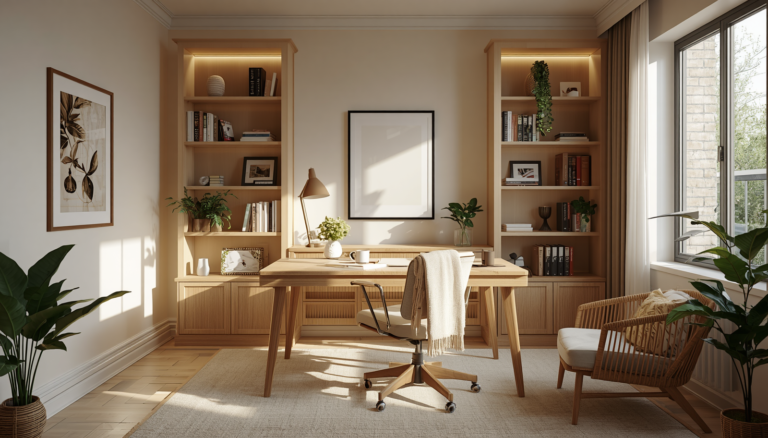
These work from home desk setup configurations make long workdays feel more comfortable, organized, and realistic for everyday life at home.
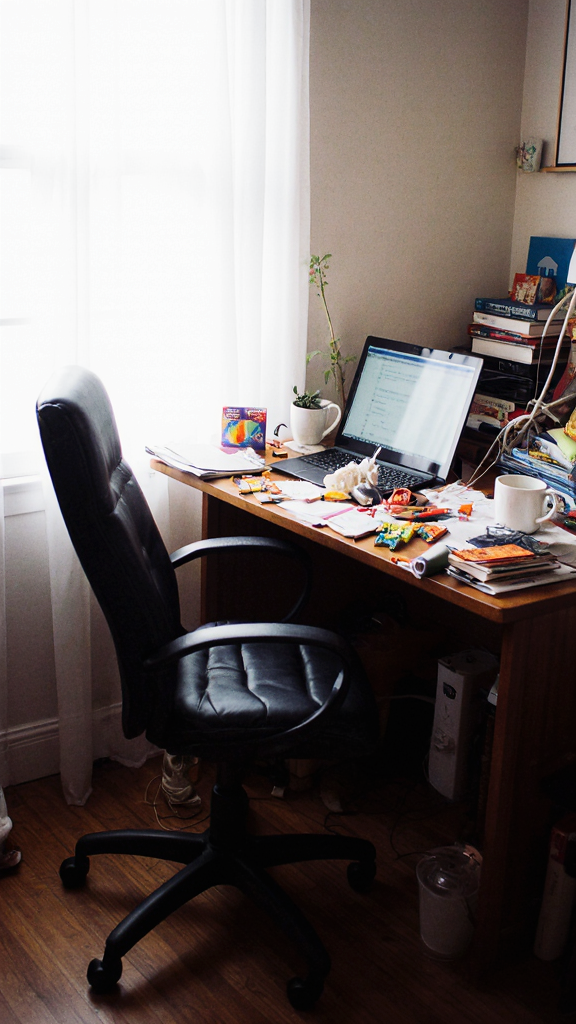
My shoulders hurt before lunch. The chair squeaked every time I leaned back. I had one foot tucked under the other like a confused pretzel while trying to answer client emails beside a cold coffee and a pile of snack wrappers. Meanwhile, my daughter wandered into the office asking why printers sound angry all the time.
That was when I realized something painfully obvious. Working from home gets exhausting fast when your desk setup quietly fights against your body all day long.
A comfortable workspace does not need to look like a futuristic tech lab. It just needs to support real life. After years of freelancing from tiny apartments, shared rooms, and awkward desk corners, I found a few desk setup configurations that genuinely make work easier, calmer, and less physically annoying.
These are the best work from home desk setup configurations for comfort that actually hold up during long days.
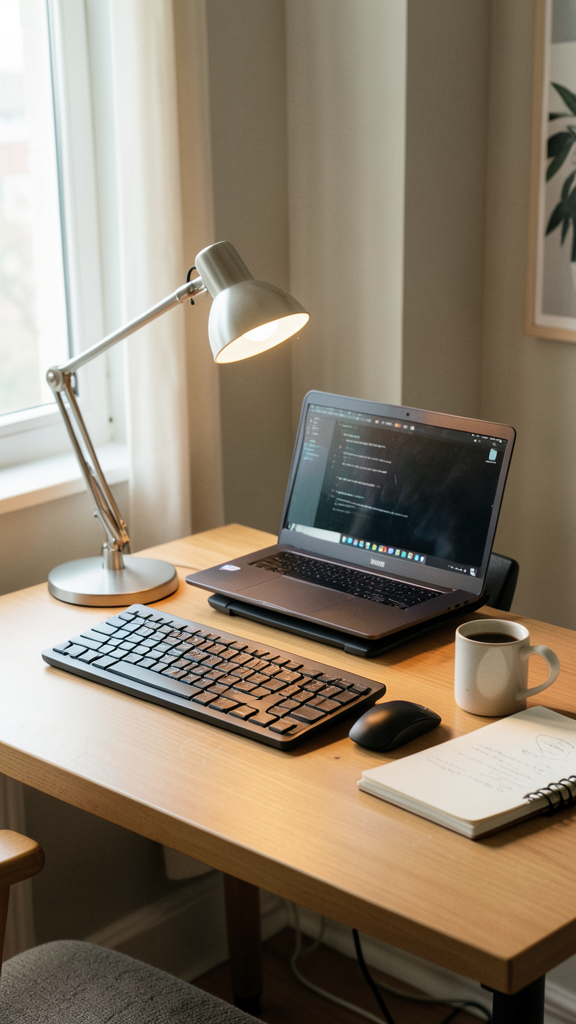
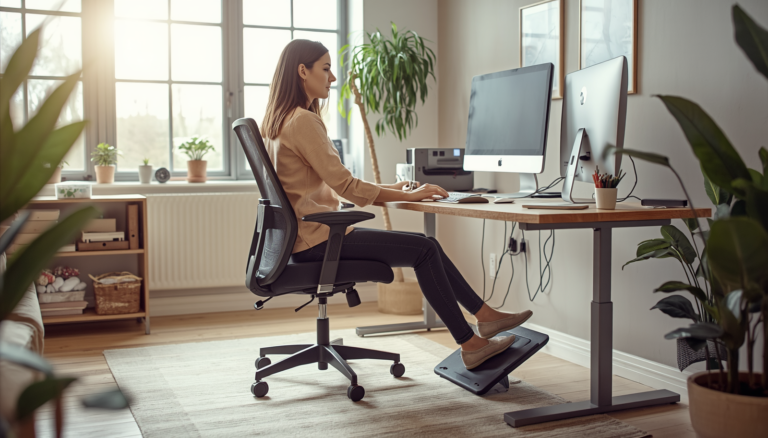
This is the reliable everyday setup most people should start with.
You do not need fancy gadgets. You just need the basics positioned correctly so your body stops filing complaints halfway through the afternoon.
I ignored posture advice for years because it sounded boring. Then I spent one week with neck pain so bad I started turning my entire body instead of moving my head :/
Turns out ergonomics are annoyingly important.
Takeaway: A simple ergonomic setup improves comfort more than trendy office accessories ever will.
Not everybody has space for dual monitors and giant desks.
A clean laptop setup works surprisingly well when organized properly. The key is preventing the hunched-over goblin posture laptops naturally encourage.
This setup works especially well in apartments and shared spaces because it stays flexible and uncluttered.
FYI, fewer accessories also mean fewer cables trying to ruin your mood daily.
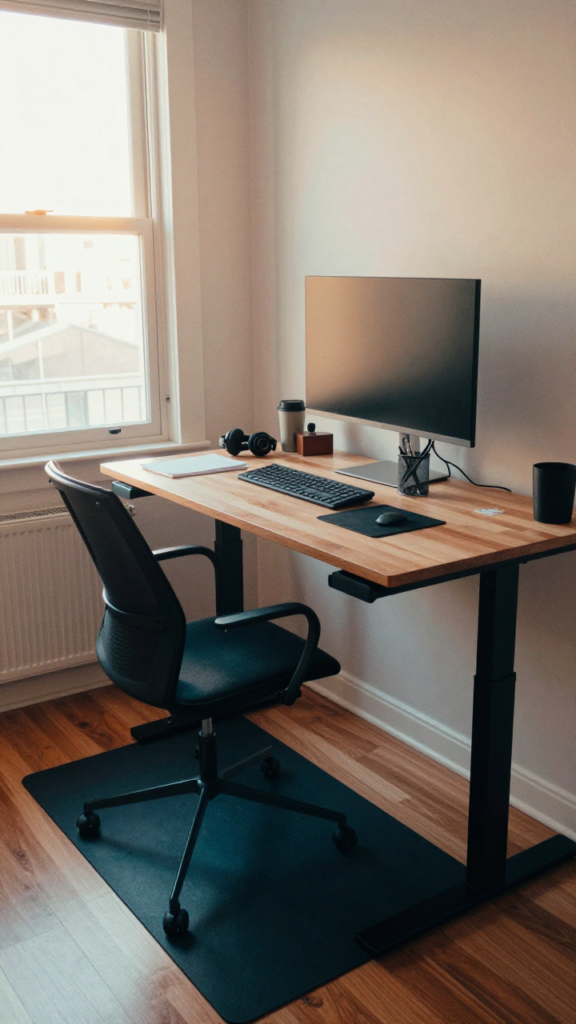
Standing desks genuinely help during long workdays. The trick is balance.
Standing nonstop sounds productive until your knees start negotiating peace treaties by mid-afternoon.
My husband became deeply obsessed with his standing desk for two months and treated it like a personality trait. Annoying? Slightly. Helpful? Honestly yes.
Takeaway: Standing desk setups work best when paired with movement and flexibility.
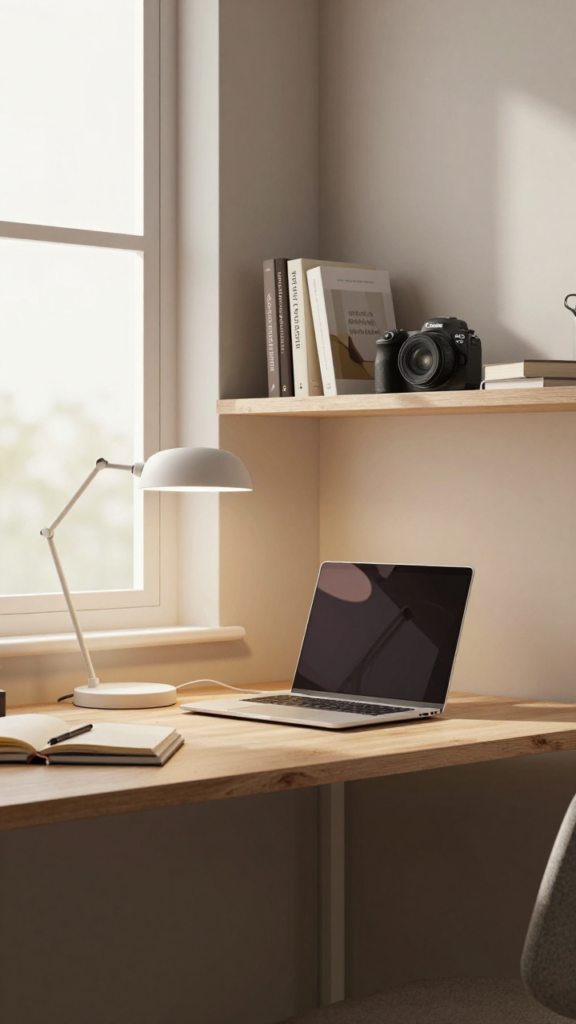
Tiny homes still deserve comfortable offices.
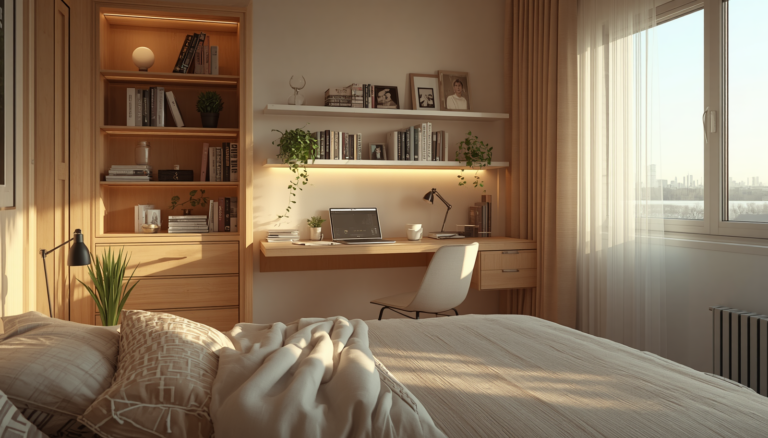
Corner desk configurations make excellent use of awkward spaces while keeping everything within easy reach.
One of my favorite setups lived in the corner of our bedroom beside a window. Small desk. Warm lamp. Tiny shelf above it. Somehow it still felt calm and functional.
Good lighting helps small spaces massively.
Dual monitors are one of those things people mock until they actually try them.
Then suddenly one screen feels emotionally insufficient.
The biggest comfort benefit is reduced window switching. Your eyes and brain stay less overwhelmed throughout the day.
Takeaway: Dual monitor setups reduce mental fatigue during multitasking-heavy workdays.
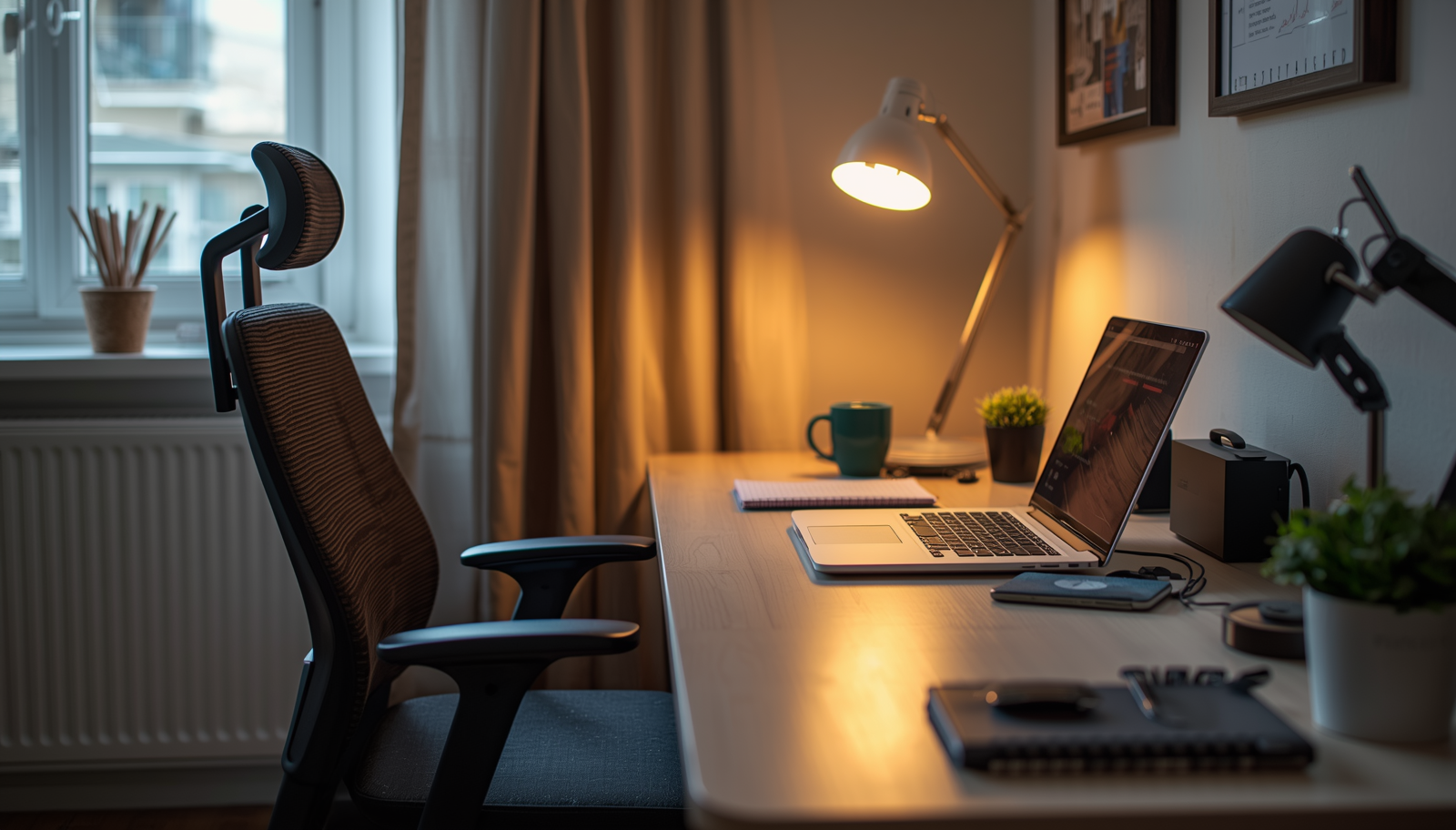
Comfort is not just physical. Atmosphere matters too.
A cozy setup makes long work sessions feel less draining and strangely more motivating.
My workspace improved dramatically once I stopped treating comfort like laziness. Humans work better in spaces that feel welcoming. Shocking development, honestly.
Also, warm desk lamps somehow make emails feel slightly less rude 🙂
This setup works beautifully for multi-purpose rooms.
A rolling desk or mobile workstation gives flexibility without sacrificing comfort. You can move the setup near windows during the day or tuck it away when guests visit.
I used a rolling cart setup for months while sharing office space with toy storage and laundry baskets. Real life rarely looks Pinterest-perfect.
Still worked surprisingly well.
Visual clutter creates mental clutter fast.
A cleaner setup feels calmer because your brain stops processing random distractions constantly.
My stress level genuinely dropped after hiding most of the cords under the desk. Apparently tangled cables were quietly insulting me all day.
Takeaway: Cleaner desk setups help workspaces feel calmer and easier to focus in.
Natural light changes everything.
A desk beside a window instantly feels less cramped and more comfortable, especially during long workdays indoors.
I used to face a blank wall while working and slowly became irrationally annoyed by everything around 2 PM daily.
Moving near a window solved more of that problem than caffeine ever did.
Takeaway: Natural light creates one of the biggest comfort upgrades for home offices.
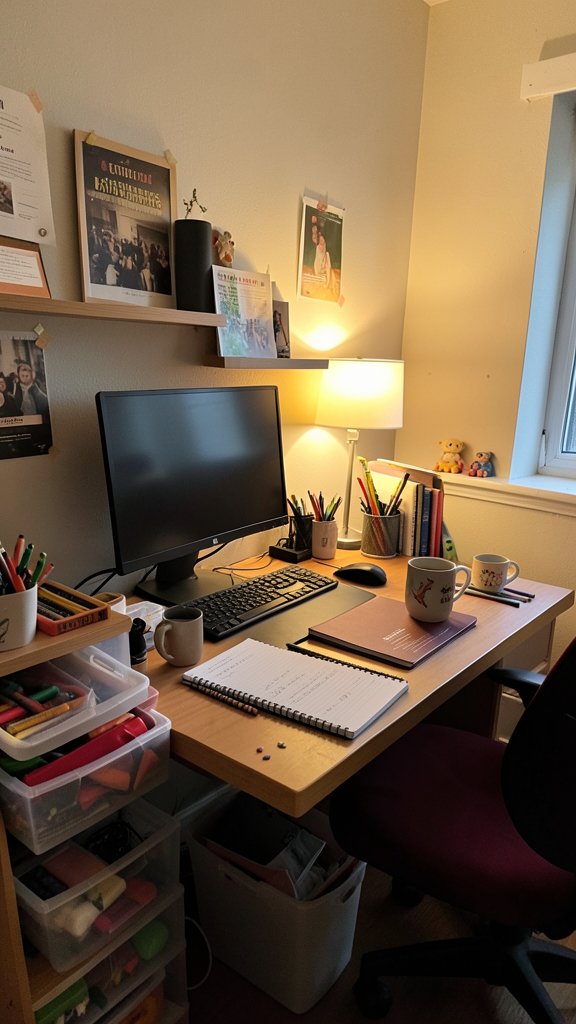
This might be the most important one.
A perfect office setup means nothing if it completely ignores actual life happening around it. Family homes need workspaces that handle interruptions, messes, and daily chaos gracefully.
My desk still occasionally collects crayons, tiny stickers, and mysterious snack crumbs. Accepting that reality honestly made the office feel less stressful.
Perfection is exhausting. Functional comfort matters more.
Takeaway: The best work from home desk setup supports your real daily life, not an imaginary perfect one.
People often chase aesthetics first and comfort second.
Then they wonder why their beautiful office still feels exhausting after a few hours.
A comfortable work from home desk setup affects everything. Focus. Posture. Mood. Energy. Even patience levels during annoying meetings.
The good news is comfort usually comes from small practical upgrades instead of massive expensive renovations.
Better lighting. Smarter monitor placement. Supportive seating. Cleaner organization. More breathing room.
Tiny changes completely shift how your workspace feels.
And honestly, when your desk setup finally supports your body instead of fighting it, work feels noticeably lighter before the day even begins.