Physical Address
304 North Cardinal St.
Dorchester Center, MA 02124
Physical Address
304 North Cardinal St.
Dorchester Center, MA 02124

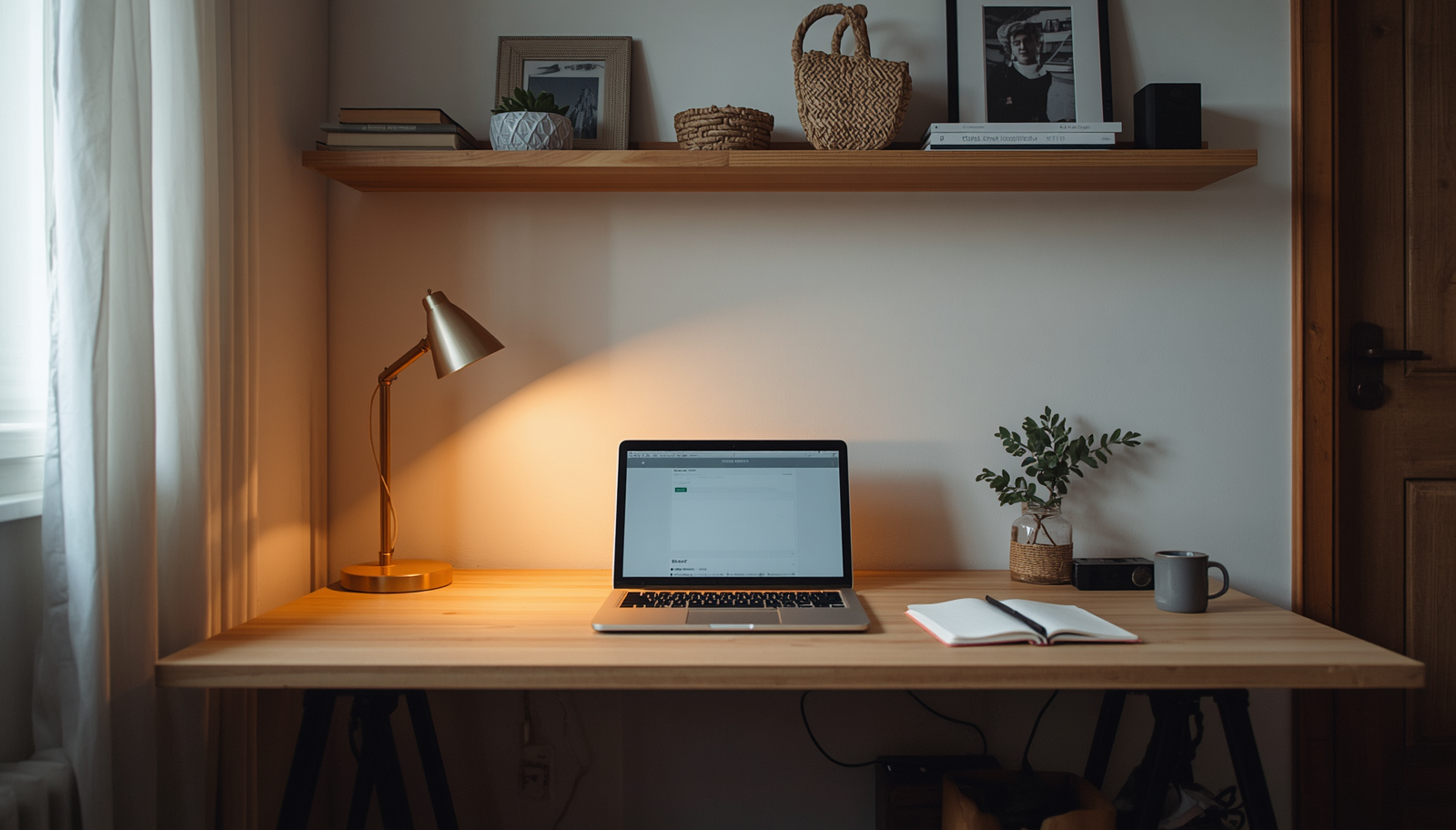
Create a calmer and more productive workspace with these practical minimalist office setup tips that reduce clutter, improve focus, and actually work for real everyday life.
The coffee mug sat on top of unpaid bills. My laptop balanced beside a pile of tangled chargers. Somewhere under the mess was a notebook I actually needed for a client call starting in six minutes.
That was the moment I realized my workspace looked less like a productive office and more like a lost-and-found bin.
A functional minimalist office setup is not about making your desk look empty for Instagram. It is about creating a space that helps your brain breathe a little. Once I stopped stuffing my office with random productivity gadgets and decorative nonsense, work became easier. Funny how that works 🙂
If your workspace feels distracting, cramped, or mentally loud, these tips can help you build a minimalist office setup that actually functions in real life.

A cluttered office quietly drains your energy all day long. You waste time searching for cables, moving papers around, and pretending you will eventually organize that junk drawer.
Minimalism works best when it removes friction from your routine. Your office should help you focus, not test your patience before noon.
A minimalist office setup should feel calming, practical, and easy to maintain.
When I first tried creating a minimalist office, I made the classic mistake of buying storage containers before decluttering anything. Very productive behavior.
The better approach is brutally simple. Remove everything from your desk except the items you use daily.
For me, that meant:
Everything else moved elsewhere.
Do I actually use this every day?
That single question eliminates a shocking amount of clutter.
Takeaway: A functional minimalist office setup starts with less stuff, not better storage bins.


Minimalist offices fail when the furniture looks pretty but works terribly.
I once bought a tiny trendy desk because it looked clean and modern online. Meanwhile my keyboard barely fit on it, and my knees hit the drawer every five minutes. Amazing experience :/
Now I care more about function than aesthetics.
Good office furniture should quietly solve problems instead of creating new ones.
Visual clutter matters just as much as physical clutter.
When my office had bright accessories, colorful folders, and random décor pieces everywhere, the room always felt busy even after cleaning.
Switching to neutral tones instantly made the space feel calmer.
This does not mean your office has to look boring. It just means your eyes get a break.
Takeaway: Simple colors create a more focused work environment.
Nothing ruins a clean minimalist office setup faster than cable spaghetti hanging off the desk.
I ignored my cables for months because organizing them sounded annoying. Then one charger wrapped around my chair wheel during a Zoom meeting, and honestly, that felt like a sign from the universe.
Now I use simple cable clips and a cable box underneath the desk.
Minimalism looks effortless until you notice the cords.
Before organizing my office properly, every surface became a random pile zone. Work papers mixed with receipts. Sticky notes hid under notebooks. Snacks appeared where they absolutely did not belong.
Minimalist office setups work better when every item has a designated home.
Laptop, keyboard, notebook, daily essentials
Files, chargers, office supplies
Small plant, framed photo, candle
Keeping categories separate reduces visual chaos immediately.
Takeaway: Your office feels calmer when your brain knows where things belong.


Small offices cannot afford wasted wall space.
Once I added floating shelves above my desk, my workspace instantly felt bigger because the surface stayed clear. Plus, vertical storage forces you to stay intentional about what you keep visible.
Just avoid turning the wall into a chaotic craft fair display. Learned that one the hard way.
Vertical storage frees your desk without sacrificing function.
Minimalist does not mean emotionally empty.
I kept one framed family photo, a small lamp, and a tiny plant on my desk because they genuinely make the space feel comforting during stressful workdays.
That is enough.
You do not need twelve decorative objects pretending to inspire productivity. IMO, most desk décor eventually becomes dust collectors.
Takeaway: A few meaningful items feel better than endless decorative clutter.
Bad lighting makes work feel ten times harder. Your eyes strain, your mood drops, and suddenly answering emails feels like manual labor.
Natural light works best if possible. My desk now sits beside a window, and the difference in energy feels immediate.
For darker rooms, choose warm lighting instead of harsh blue-toned bulbs.
Lighting quietly affects focus, mood, and productivity all day long.
A functional minimalist office setup stays functional because of habits, not perfection.
Every evening, I spend about five minutes resetting the space before shutting down work. I put papers away, wipe the desk, and plug devices back into place.
Tiny routine. Huge payoff.
Future-you will appreciate this more than you think. FYI.
Takeaway: Minimalist spaces stay clean through consistency, not motivation.
This one hurts because I absolutely fell for the aesthetic office gadget trap.
Tiny desktop vacuums. Fancy acrylic organizers. A ridiculously expensive wireless lamp that barely lit anything. Somehow I convinced myself these purchases would transform my work habits.
They did not.
A functional minimalist office setup works best when every item solves a real problem.
Sometimes the most productive thing you can do is stop shopping for productivity.
Minimalism is often about resisting unnecessary upgrades.
Even good minimalist office ideas can go sideways fast.
A completely empty office can feel cold and uninspiring. Keep a little personality.
A beautiful chair means nothing if your back hurts after thirty minutes.
Stuffing junk into drawers still counts as clutter. Sorry to break the news 🙂
Slow progress lasts longer. Start with one drawer or one shelf.
Takeaway: The best minimalist office setup supports your actual daily life, not a perfect fantasy version of it.
A functional minimalist office setup is not about owning the fewest things possible. It is about removing distractions so work feels smoother and less mentally exhausting.
Your workspace should help you focus, think clearly, and finish tasks without fighting clutter every hour.
Start small. Clear one surface. Hide one cable. Remove one unnecessary item today.
Those tiny decisions slowly build an office that feels lighter, calmer, and far easier to work in every single day.