Physical Address
304 North Cardinal St.
Dorchester Center, MA 02124
Physical Address
304 North Cardinal St.
Dorchester Center, MA 02124


Cut your summer cooling costs with these practical energy efficient home tips that actually work for real families living through sweaty afternoons, rising electric bills, and nonstop AC battles.
The AC had been running for hours, yet the house still felt sticky. My daughter sat in front of the freezer like it was a luxury resort while I stared at the electric bill wondering if the power company secretly hated families. Summer does that to people. You try to stay cool without feeling personally attacked by your utility costs.
After a few sweaty seasons and a couple of bad decisions involving blackout curtains that looked like vampire decor, I finally figured out what actually works. Not the fancy stuff influencers push while standing in spotless kitchens. Real changes. Simple habits. Small upgrades. The kind that make your home cooler without forcing your wallet into therapy.
Here are my favorite energy efficient home tips for summer that genuinely lowered our cooling costs.

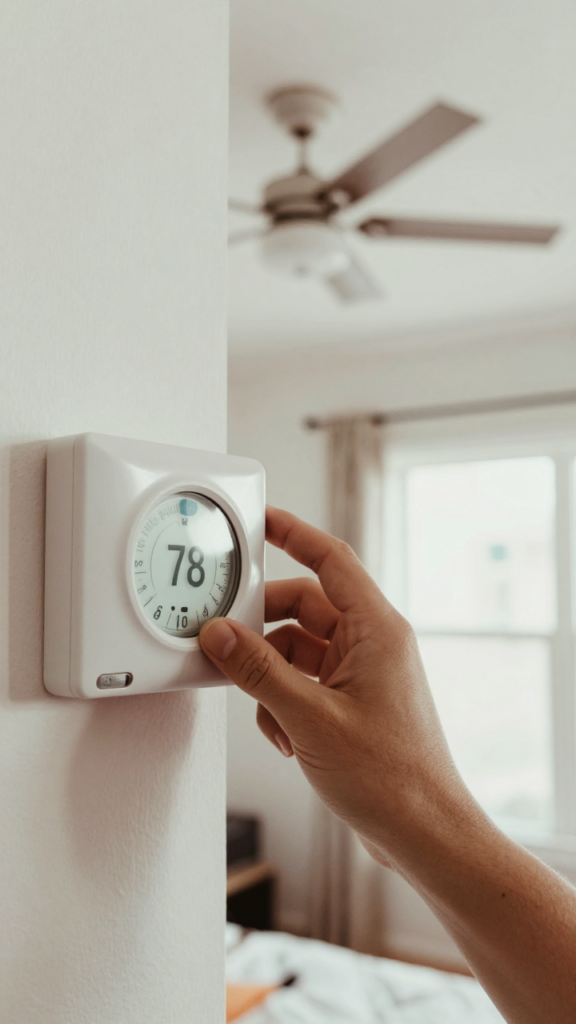
I used to adjust the thermostat every thirty minutes. Too warm. Too cold. Too warm again. Basically I was emotionally regulating through HVAC settings.
Turns out, your AC works better when you leave it alone. Constant changes force the system to work harder. We set ours at 78 degrees during the day and use ceiling fans to help circulate air. Honestly, after a week, your body adjusts.
A smart thermostat also helps track energy use. Mine basically exposed all my bad habits. Rude, but useful 🙂
Takeaway: Consistent thermostat settings reduce strain on your cooling system and lower electricity use.
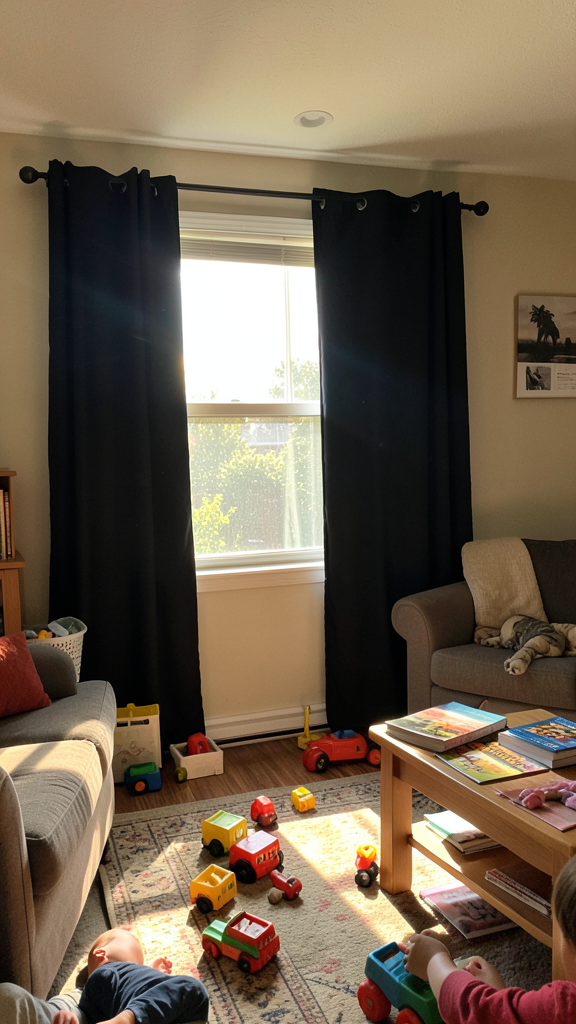
One afternoon I touched the living room window and almost burned my hand. The sun was cooking the room like a leftover casserole.
Windows let in a shocking amount of heat during summer. Once I started closing blinds and curtains during peak sunlight hours, the house stayed noticeably cooler. Not glamorous advice, I know. But neither is paying an extra hundred bucks because your windows act like magnifying glasses.
These help especially in bedrooms and west-facing rooms.
It cuts glare and reduces heat gain without making your house look weird.
Simple. Free. Weirdly effective.
Takeaway: Preventing heat from entering your home works better than trying to cool overheated rooms later.
People underestimate ceiling fans because they are not shiny new tech. But honestly, they save us every summer.
A fan does not lower room temperature. It moves air across your skin so you feel cooler. That means you can raise the thermostat a few degrees without suffering through dinner like a Victorian child in a heat wave.
FYI, I once left every fan running all day thinking I was cooling the house. Nope. Just giving empty rooms a breeze for no reason.
Takeaway: Ceiling fans help you feel cooler while using far less energy than air conditioning.
I ignored air filter replacements for way too long. Mostly because I forgot they existed. Then our AC started struggling, and the airflow felt weak.
A clogged filter forces your cooling system to work overtime. That means higher energy use and worse cooling. Changing filters regularly made a bigger difference than I expected.
Dirty filters also make your house dustier. Which explains why my coffee table always looked offended.
Takeaway: Clean air filters improve airflow, reduce energy waste, and help your AC cool more efficiently.

Nothing heats up a kitchen faster than using the oven at 5 PM in July. I learned this after making lasagna during a heat advisory. Terrible life choice :/
Now I avoid heat-heavy cooking during the hottest part of the day. We grill outside more often, use the slow cooker, or make simple cold meals. Less heat indoors means the AC does not have to battle your dinner plans.
My daughter now associates summer with sandwiches and watermelon. Honestly, not the worst tradition.
Takeaway: Reducing indoor cooking heat lowers the workload on your air conditioner.
Because it kind of does.
Cool air escapes through tiny gaps around windows, doors, and vents. Hot air sneaks in. Your AC keeps running. Everybody loses.
One weekend, my husband and I sealed drafty spots around the house with weather stripping and caulk. It was not exciting. Nobody posted inspirational music over it. But the house stayed cooler afterward.
Check for gaps or worn seals.
Hot attic air can affect indoor temperatures fast.
Leaky ducts waste cooled air before it even reaches rooms.
Takeaway: Sealing leaks keeps cool air inside and improves overall energy efficiency.
I never realized how much heat appliances create until I ran the dryer and dishwasher on the same afternoon. The kitchen felt like a parking lot in August.
Large appliances generate heat and increase indoor temperatures. Running them during cooler evening hours helps reduce strain on your AC.
Now I run laundry after sunset while pretending I have my life together. Small victories.
Takeaway: Timing appliance use during cooler hours helps maintain a more comfortable indoor temperature.
Old incandescent bulbs waste energy and create unnecessary heat. We switched to LED bulbs years ago mostly to save money, but I noticed rooms also felt cooler.
Traditional bulbs basically act like tiny heaters. LEDs use less electricity and stay cooler. Plus they last forever. I think some of ours survived multiple parenting phases already.
It is one of those small home upgrades that quietly pays off over time.
Takeaway: LED bulbs reduce heat output and improve overall summer energy efficiency.
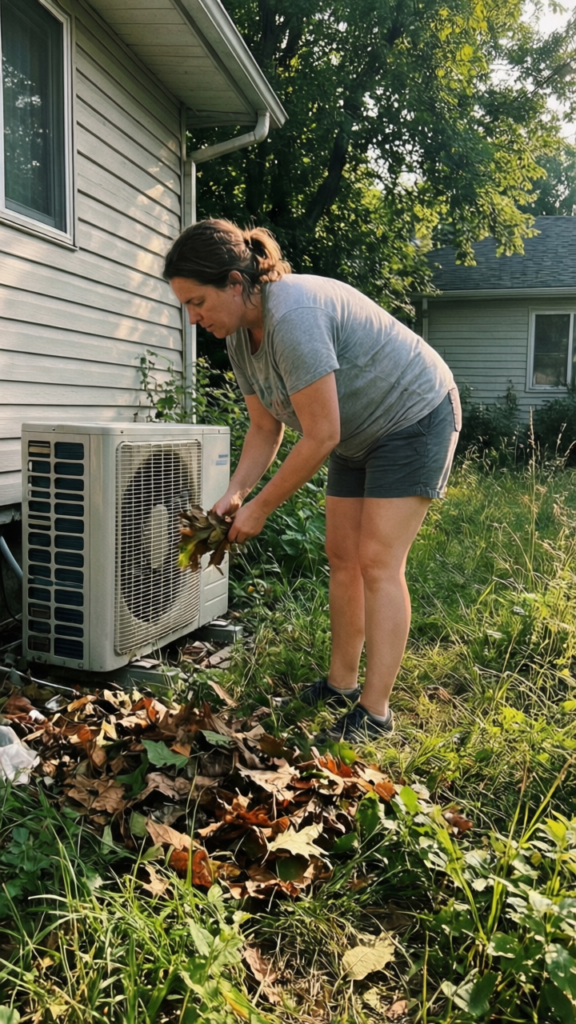
Your air conditioner cannot work efficiently if it is dirty, blocked, or neglected. Basic maintenance matters more than people think.
Last summer, I noticed our outdoor AC unit was surrounded by overgrown plants and random yard clutter. Once we cleaned the area and scheduled maintenance, the system cooled faster and ran less often.
Keep at least two feet of open space around the unit.
A professional tune-up helps catch small issues early.
Blocked vents reduce airflow and waste energy.
Also, please do not ignore weird AC noises. That rattling sound will not magically develop character and disappear.
Takeaway: Regular AC maintenance improves cooling performance and helps lower energy bills.
A lot of people assume energy efficient home tips for summer require expensive renovations. Solar panels. New HVAC systems. Smart everything.
Those upgrades can help, sure. But most families need practical changes first. Daily habits matter. Small adjustments stack up surprisingly fast.
For us, the biggest difference came from combining simple strategies:
None of those changes felt dramatic alone. Together, though, they lowered our cooling costs and made the house more comfortable.
And honestly, comfort matters. Summer already brings enough chaos with sweaty grocery trips, melting snacks in the car, and children somehow needing seventeen popsicles before noon.
Keeping your home cool does not have to mean draining your bank account every month. A few smart adjustments can seriously improve comfort while cutting energy waste.
Start with one or two changes that feel manageable. Maybe close the blinds earlier. Replace the air filter. Use the ceiling fan more often. You do not need a perfect eco-friendly home overnight.
You just need a house that feels cool enough to survive summer without arguing with the thermostat every day. Honestly, that alone feels like growth.